Strategic Procurement Analysis
6. Global Defense Procurement Trends in Military Smart Glasses (2025–2030)
Key technological imperatives shaping future defense tenders, NATO modernization programs, and military technology acquisitions.
As defense ministries and international procurement agencies formulate five-year acquisition plans, four critical technological vectors are governing tender requirements for tactical extended reality (XR) hardware:
Trend A: GPS-Denied & Electromagnetic Disconnected Operations
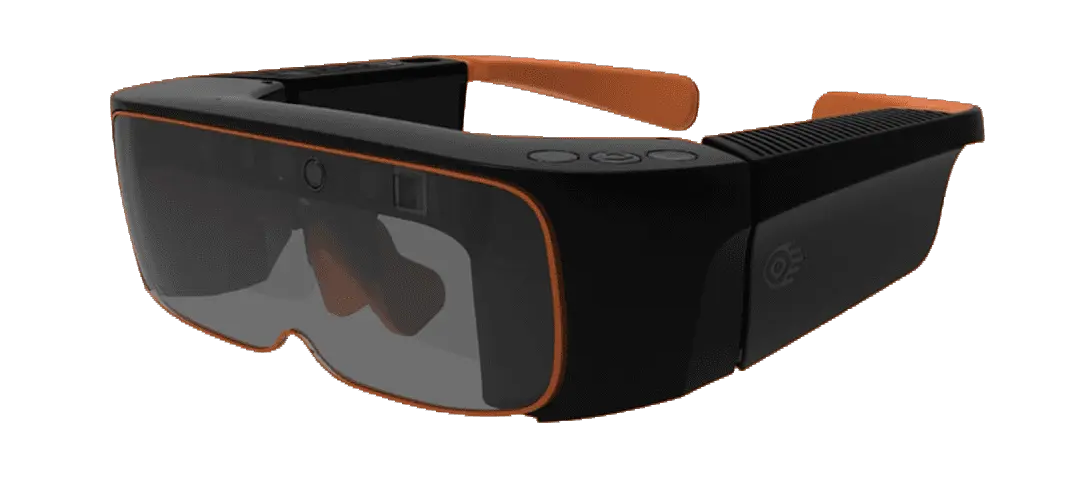
Near-peer conflict zones are characterized by aggressive electronic warfare (EW), satellite jamming, and denied GPS access. Future military smart glasses must avoid sole reliance on cloud compute or external satellite positioning. ThirdEye Gen’s smart glasses feature on-device SLAM (Simultaneous Localization and Mapping) positioning engines and offline spatial computing—enabling accurate 3D spatial mapping inside subterranean bunkers, dense urban canyons, or jammed battlefields without external network connectivity.
Trend B: AI-Driven Tactical Edge Computing & Sensor Fusion
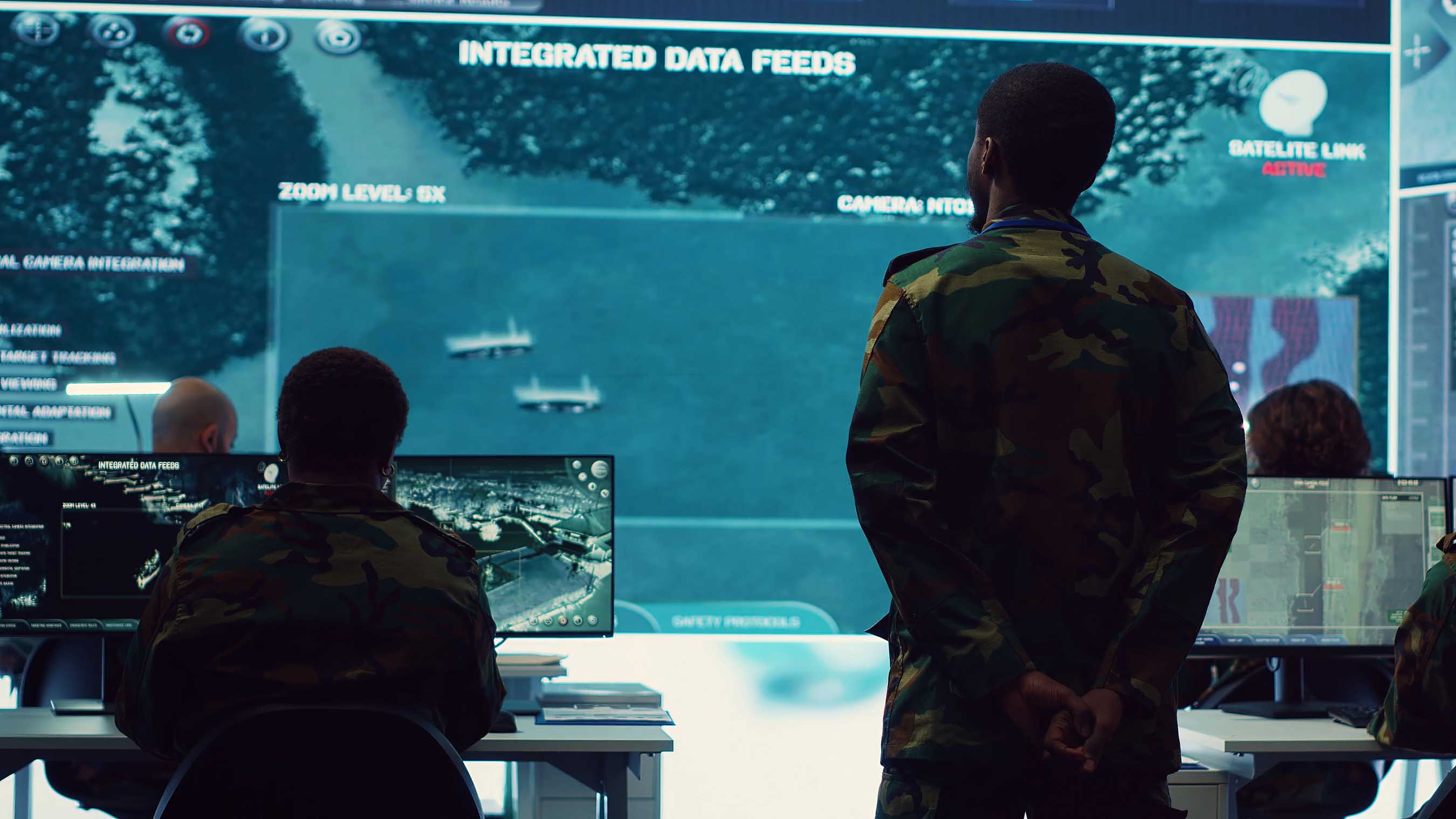
Raw camera feeds are insufficient for modern warfighters. Next-generation smart glasses combine optical sensors, micro-thermal cameras, and computer vision AI models directly on the edge. This sensor fusion identifies vehicles, personnel, and hazard threats in milliseconds, visually tagging them with spatial augmented reality bounding boxes before the human eye can process the threat.
Trend C: Zero-Trust Encrypted Software Suites (SXR Architecture)
Cybersecurity is as vital as kinetic protection. Commercial off-the-shelf (COTS) AR smart glasses often stream telemetry through unencrypted cloud channels, exposing troop locations to adversary interception. Future military procurements explicitly mandate zero-trust hardware and software architecture. ThirdEye Gen’s Secure Extended Reality (SXR) software suite provides end-to-end encryption, local server hosting options, and hardware-secured boot sequences compliant with military cybersecurity standards.
Trend D: Modular Interoperability with Tactical Mesh Networks
Modern infantry squads utilize mobile ad-hoc networks (MANET) and tactical software-defined radios (SDRs). Military smart glasses are becoming native nodes on these tactical networks. Through low-bitrate video compression codecs, ThirdEye smart glasses stream see-what-I-see telemetry to command posts across narrow bandwidth channels without degrading tactical radio links.