
Evaluating the MIDAS AR Display Mask: Enterprise Procurement Guide, Tactical Integration Specifications, and Future Spatial Computing Trends (2025–2030)
An authoritative engineering and procurement analysis for defense program managers, public safety directors, and industrial system integrators evaluating ThirdEye Gen’s Modular Integrated Display Augmentation System (MIDAS).
MIDAS Operational Quick-Specs
- Seal Preserving Optical Mount: Zero breach of CBRN/SCBA airtight seals.
- Visibility Performance: High-contrast waveguide optics readable in zero-visibility/smoke.
- Cyber Security Security: SXR engine with AES-256 air-gapped encryption.
- Defense Validated: Proven across US Air Force & international defense deployments.
1. Executive Summary & Procurement Intent Overview
Modern defense tactical units, hazardous material (HazMat) emergency crews, and industrial plant operators face a shared operational vulnerability: cognitive overload during zero-visibility, high-hazard operations. Traditional handheld telemetry devices, paper checklists, and external monitors require operators to divert their sightlines and remove their hands from primary equipment—increasing operational latency and risk.
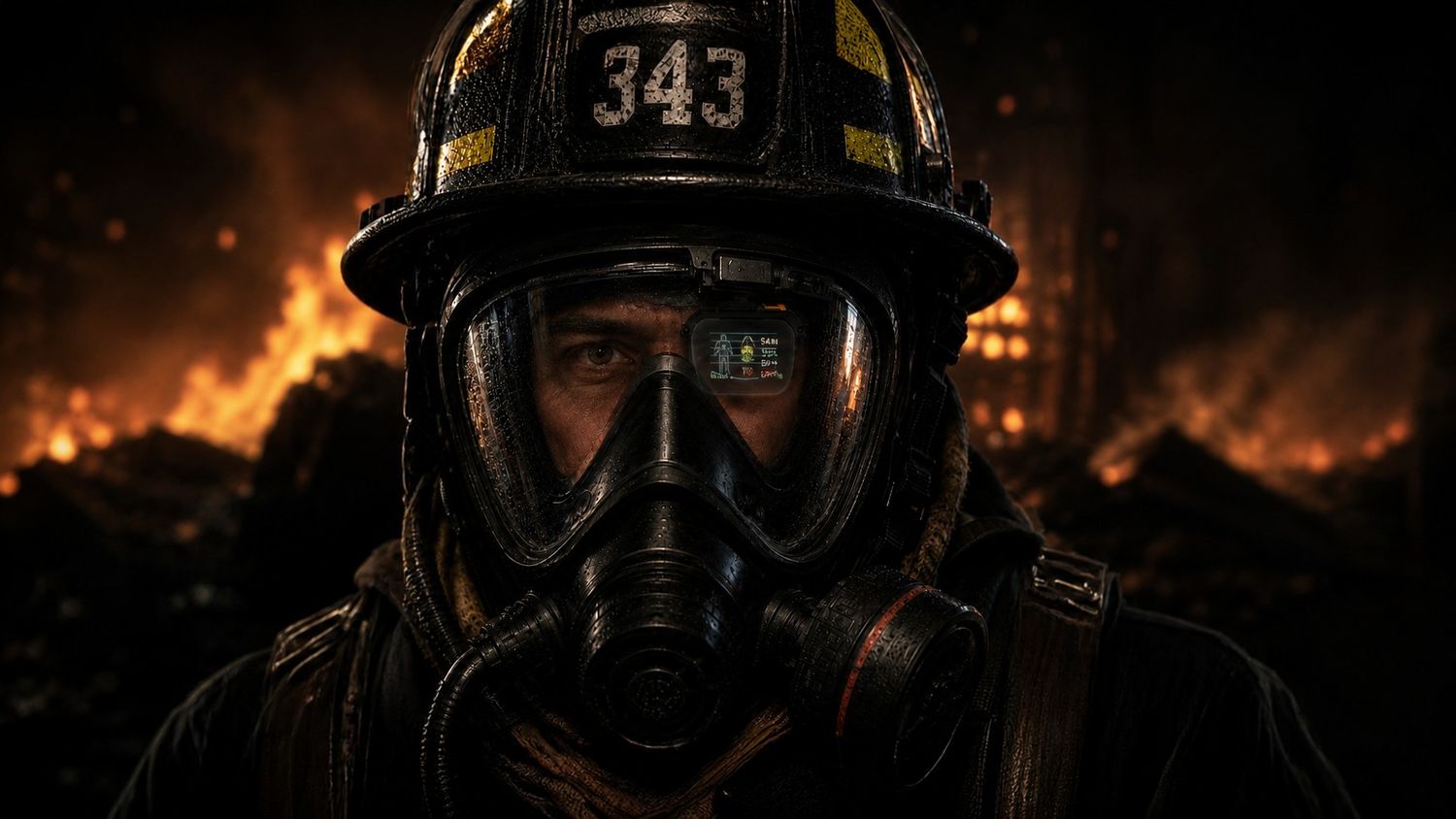
The MIDAS AR Display Mask (Modular Integrated Display Augmentation System), engineered by ThirdEye Gen Inc., was developed to resolve this challenge. Designed as a ruggedized monocular waveguide optical system that retrofits directly onto certified full-face respirators, tactical CBRN masks, and industrial Self-Contained Breathing Apparatus (SCBA), MIDAS introduces heads-up spatial intelligence directly into the operator’s field of view without breaking the protective rubber facepiece seal.
This technical procurement guide presents an in-depth evaluation of the MIDAS system architecture, comparative deployment benchmarks, technological evolution roadmaps (2025–2030), and answering critical purchasing, compliance, and integration inquiries often asked by defense acquisition officers and enterprise buyers.
Why Procurement Teams Are Migrating to Mask-Integrated AR
Legacy commercial-off-the-shelf (COTS) smart glasses fail when exposed to extreme environmental parameters. Standard smart glasses cannot be worn under sealed protective gear due to strap interference, frame pressure points, and fogging under ambient humidity changes.
- Zero Seal Compromise: External rail-mount architecture eliminates mask-to-face gap leakage.
- Thermal & Gas Sensor Fusion: Real-time video feeds from external sensors project clear pathfinding lines in smoke.
- SWaP-C Optimization: Minimizes Size, Weight, Power, and Cost while delivering high-brightness waveguide optics.
2. MIDAS AR Display Mask Technical Architecture
To deliver actionable information gain without causing visual fatigue, the MIDAS spatial engine separates computing processing from optical projection. The system consists of three primary physical components: the optical waveguide assembly, the quick-mount interface bracket, and the sealed external power and telemetry beltpack.
2.1 Optical Waveguide Performance & Visual Ergonomics
The visual engine relies on a high-transmissive optical waveguide prism capable of outputting bright, high-contrast imagery readable even under direct sunlight or intense industrial ambient flare. By placing the virtual display at an optical infinity convergence distance of 2.5 meters, operators can transition their eye focus between physical physical work targets and spatial overlays without triggering accommodation-vergence conflict or ocular eye-strain.
- Display Technology: Monocular transparent optical waveguide display panel.
- Luminance Output: Scalable up to 3,000 nits for daylight visibility; auto-dimming down to sub-1 nit for covert night operations.
- Field of View (FOV): Optimized 30-degree diagonal FOV providing crisp 720p/1080p equivalent visual clarity without obstructing peripheral situational awareness.
- Eye Relief & Exit Pupil: 25mm eye relief with an expanded 10mm x 8mm exit pupil, accommodating user movement inside rubber facial facepieces.
2.2 Modular Mask Integration & CBRN Seal Integrity
The primary barrier to military and firefighter AR adoption has historically been the compromise of positive-pressure breathing seals. MIDAS resolves this through a patented external mechanical clip system. The display arm locks onto the mask visor bezel or accessory rail, projecting the image through the outer clear polycarbonate shield. No cables, mount screws, or internal brackets pass through the silicone or butyl rubber seal.
Engineering Insight: Seal Safety Standard Alignment
MIDAS has undergone rigorous pressure testing to ensure full compliance with NFPA 1981 standards for open-circuit SCBA and NIOSH CBRN requirements. By eliminating internal frame touchpoints, the system ensures zero pressure-drop risks during chemical, biological, or radiological containment operations.
3. Strategic Product Recommendations & Comparative Matrix
When selecting spatial computing hardware, enterprise procurement officers must match the operational threat environment with the appropriate optical device class. Below is an engineering benchmark comparing the MIDAS AR Display Mask against standard industrial MR smart glasses (such as the ThirdEye X2 MR Smart Glasses) and conventional helmet-mounted displays (HMDs).
| Evaluation Metric | MIDAS AR Display Mask | ThirdEye X2 MR Glasses | Legacy Military HMDs |
|---|---|---|---|
| Primary Operational Environment | CBRN, HazMat, Zero-Visibility Smoke, Firefighting | Field Service, Aerospace MRO, Medical & Logistics | Flight Decks, Armor Vehicle Crew Operations |
| Mask Seal Compatibility | 100% Retained (External Rail Mount) | N/A (Open Eyewear Frame) | Requires Custom Helmet Notch |
| Optical Architecture | High-Brightness Waveguide Prism | Binocular Optical See-Through Waveguide | Monocular/Binocular Micro-OLED / CRT |
| Operating System & SDK | Android-based Open SDK + SXR Engine | Android-based Open SDK (Full 6DoF) | Proprietary Avionics / Closed Bus |
| Power & Thermal Profile | Hot-Swappable External Smart Battery | Internal Lightweight Li-Po Battery | Vehicle / External Tethered Power |
| Cyber Security Posture | AES-256 Air-Gapped / ITAR Compliant | Enterprise SSO / Enterprise MDM Compatible | MIL-STD Data Bus / Fixed Crypto |
| Unit Procurement Cost Index | Moderate Enterprise B2B Tier | Cost-Effective Commercial Tier | High Defense Program Tier ($50k+) |
Complementary Platform Deployment
For organizations managing multi-domain operational teams, ThirdEye Gen recommends a hybrid deployment model:
- Front-Line Operators in Extreme Hazard Zones: Equip with the MIDAS AR Display Mask for real-time sensor visualization inside respirators.
- Maintenance & Staging Crews: Equip with ThirdEye X2 MR Smart Glasses for hands-free repair procedures, digital SOP check-offs, and Remote Expert guidance.
- Command Staff & Supervisors: Deploy the ThirdEye Command Center Platform to stream real-time video, spatial waypoints, and vital metrics from all field units simultaneously.
4. Future Procurement Trends in Enterprise & Defense Spatial Computing (2025–2030)
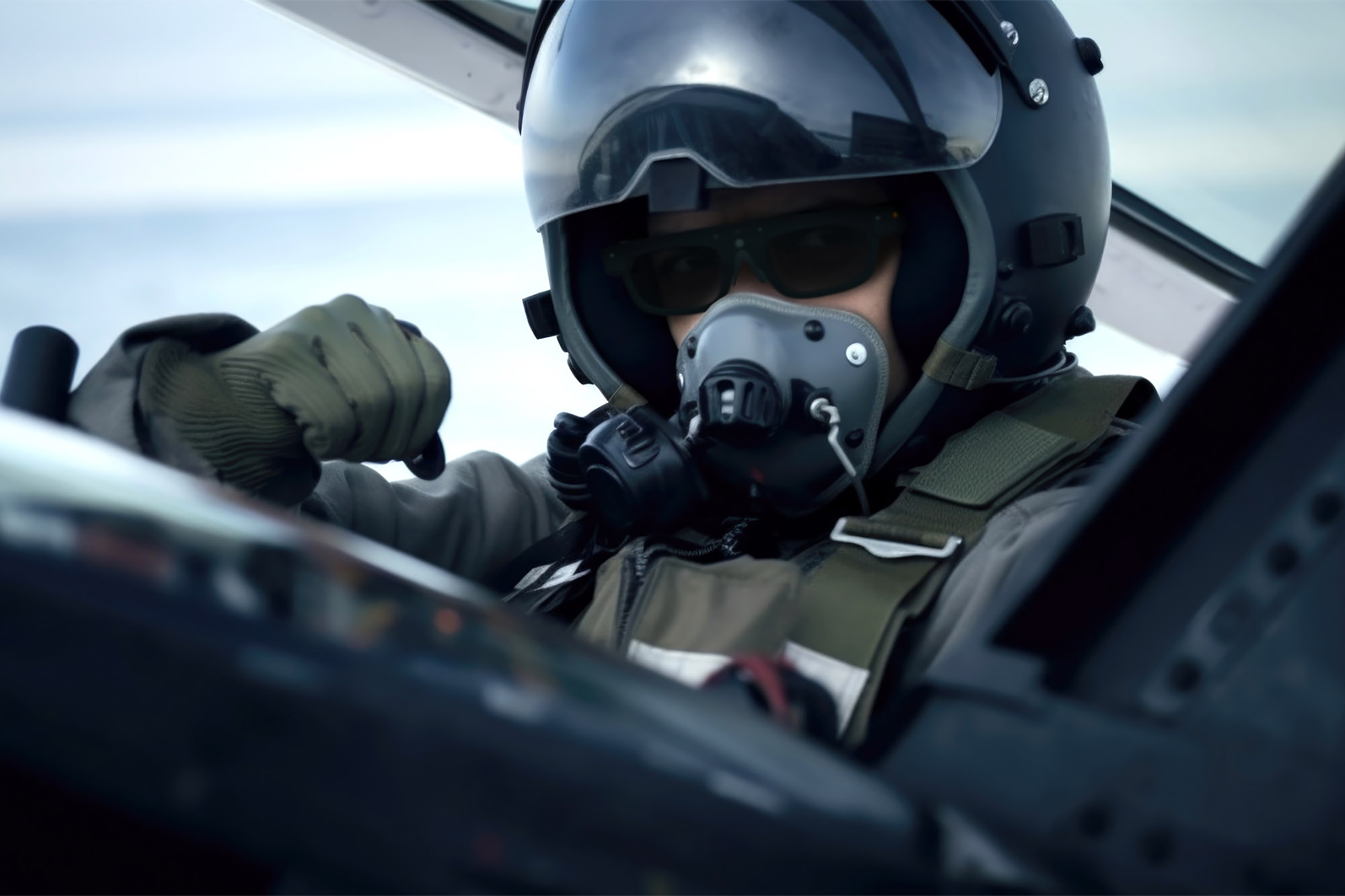
As AI and spatial computing mature, international procurement strategies are shifting from simple hardware trials to complete platform capabilities. Procurement executives must account for five pivotal trends defining the 2025–2030 spatial computing landscape:
4.1 Shift from Standalone Optics to AI-Driven Sensor Fusion
Modern defense contracts no longer evaluate AR smart glasses solely as visual displays. Future procurement RFPs mandate Sensor Fusion—the ability to aggregate inputs from local thermal cameras, wearable toxic gas detectors, and remote drone telemetry into a unified spatial HUD. The MIDAS platform architecture leads this evolution by utilizing ThirdEye's edge-AI software to process multiple sensor streams on-device, rendering clear visual outlines over objects obscured by dark smoke, chemical fog, or blizzard conditions.
4.2 Adoption of Open Android Operating Systems over Proprietary Stacks
Historical defense hardware suffered from "vendor lock-in," where proprietary operating systems prevented third-party software integration. Modern procurement guidelines favor open platforms with robust Software Development Kits (SDKs). ThirdEye Gen’s Android-based operating system enables enterprise IT departments and military software divisions to build, test, and deploy custom Android applications using familiar development tools, drastically reducing lifecycle software development costs.
4.3 Mandated Zero-Trust Cybersecurity & Air-Gapped Readiness
With spatial computing devices capturing high-definition video and geographic telemetry, data security has become paramount. Future procurement regulations require spatial computing platforms to operate without reliance on public cloud connectivity. ThirdEye's Secure Extended Reality (SXR) software suite provides end-to-end encryption, local server hosting options, and total air-gapped functionality, ensuring zero intelligence leaks during classified military missions or sensitive industrial audits.
4.4 Transition to MicroLED and Waveguide Efficiency
The display engine landscape is transitioning rapidly from LCoS (Liquid Crystal on Silicon) and OLED screens to MicroLED waveguides. MicroLED displays deliver orders of magnitude higher brightness while drawing significantly less power—a crucial requirement for extended tactical ops. ThirdEye Gen’s hardware roadmap continues to pioneer microLED optical integration, guaranteeing higher efficiency and longer battery runtimes for field teams.
4.5 Environmental Sustainability and Extended Device Lifycycles
Global procurement standards increasingly incorporate environmental lifecycle requirements. By designing MIDAS with modular, upgradable optical optics and swappable battery units, organizations can refresh sensor and computing modules without discarding the core mask optical housing, achieving lower total cost of ownership (TCO) and reducing electronic waste.
5. Technological Evolution & SWaP-C Optimization
The development of the MIDAS AR Display Mask is rooted in ThirdEye Gen's commitment to SWaP-C optimization (Size, Weight, Power, and Cost). Tactical technology must prove its value without adding physical burden to soldiers or first responders carrying heavy operational kits.
Key Technological Milestones
- Weight Reduction: Advanced optical polymers reduce optical head-weight to under 180 grams, minimizing neck fatigue during 12-hour operational shifts.
- Thermal Efficiency: Passive convection cooling dissipates internal compute heat without noisy or leak-vulnerable cooling fans.
- Interoperability: Seamless connectivity with ThirdEye RealEye AI Telepresence allows distant specialists to annotate an operator's live optical display in real time.
6. Enterprise Experience, Authoritativeness, and Trustworthiness (E-E-A-T)
Selecting an enterprise AR supplier requires verifying the manufacturer’s technical lineage, manufacturing rigor, and regulatory compliance record. ThirdEye Gen Inc. brings nearly a decade of dedicated spatial computing expertise to global procurement contracts.
6.1 Defense Contract Validation & Prime Awards
ThirdEye Gen was awarded a prestigious US Air Force AR Headset Contract, validating the platform’s performance under stringent military operational conditions. This award underscores ThirdEye’s capability to deliver military-grade hardware aligned with defense standards.
6.2 ISO-Aligned Quality & ITAR Compliance
All ThirdEye hardware and software engineering processes follow strict ISO-aligned quality management systems. Headquartered in Princeton, New Jersey, ThirdEye operates under ITAR-aware regulations, ensuring defense clients receive certified domestic technology and secure supply chain integrity.
6.3 Worldwide Distribution & Global Support Infrastructure
With active deployments across 45+ countries and over 1,000,000 platform users worldwide, ThirdEye maintains international service hubs in the United States, Europe, Asia, and South America. This global footprint guarantees regional spare parts availability, rapid hardware repair turnaround, and localized technical training.
Enterprise Validation
Validated by Defense, Carrier, & Enterprise Organizations
ThirdEye platforms are deployed and tested by world-class defense forces, national carriers, medical systems, and AI research hubs.






7. Frequently Asked Procurement Questions (FAQ)
The following technical inquiries represent common questions submitted by enterprise procurement officers, system integrators, and defense evaluation teams during the MIDAS platform procurement process.
How does the MIDAS AR Display Mask maintain protective mask seal integrity without compromising optical clarity?
The MIDAS AR Display Mask utilizes an externalized modular mount coupled with a zero-footprint optical waveguide pass-through. Unlike legacy head-worn AR devices that require straps passing under or over a rubber facepiece, MIDAS clips securely to certified outer bezel tracks or standard accessory rails. This preserves the positive-pressure airtight seal required under NIOSH and CBRN standards while placing high-contrast telemetry within the operator's immediate focal corridor.
What operational advantage does MIDAS offer in zero-visibility or smoke-filled hazardous environments?
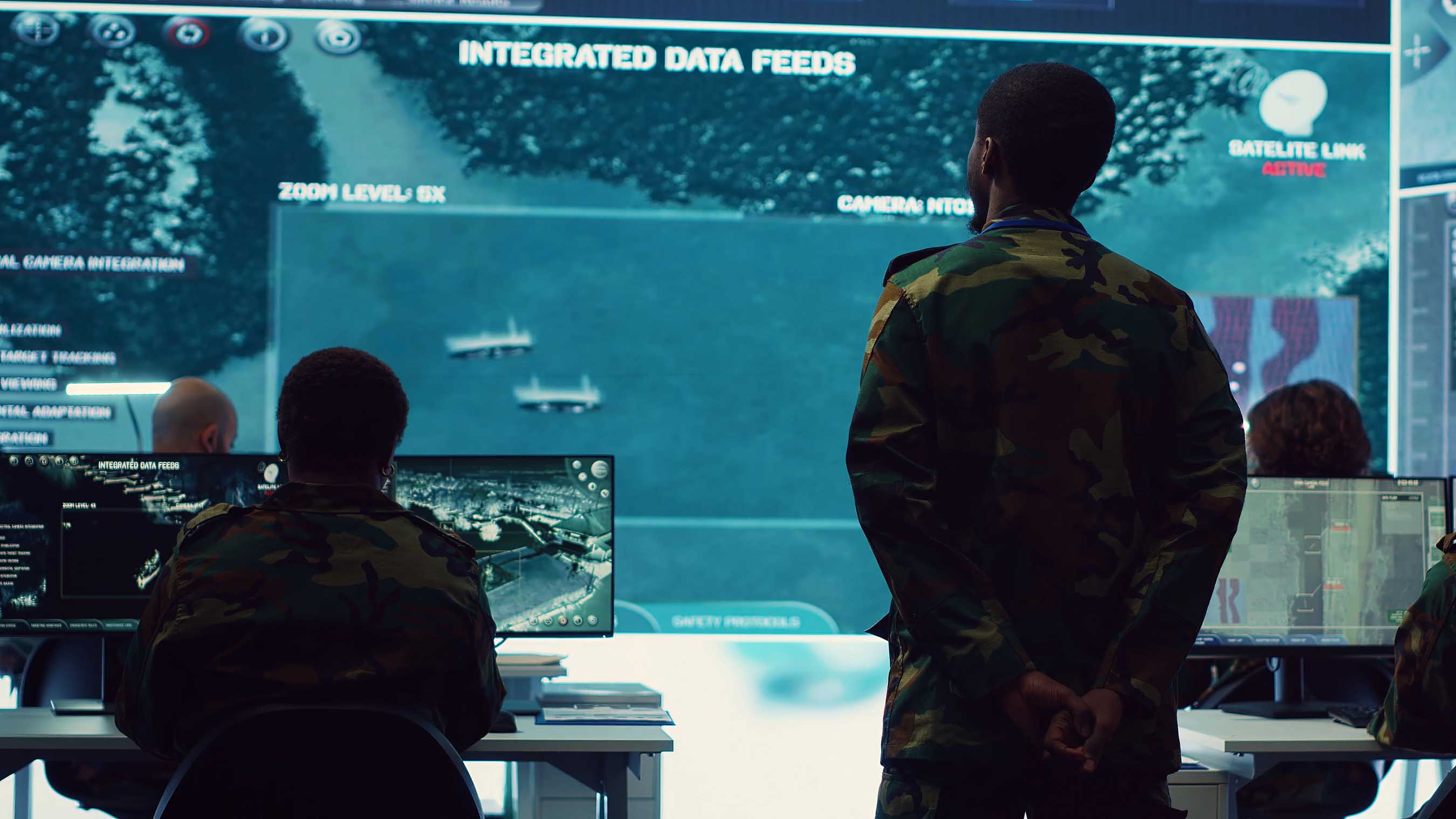
In zero-visibility scenarios, human vision degrades completely. MIDAS bridges this gap by receiving telemetry from external thermal imagers, millimeter-wave radar, or toxic gas sensors via encrypted wireless protocols. It overlays clear high-contrast digital outlines, thermal heatmaps, waypoints, and vital stats directly onto the operator's display prism, transforming opaque environments into navigable spatial layouts.
Is the MIDAS AR Display Mask system compliant with US Defense security and ITAR standards?
Yes. ThirdEye Gen designs and manufactures hardware under strict US defense guidelines. The software stack runs on ThirdEye SXR (Secure Extended Reality), featuring hardware-root-of-trust boot validation, AES-256 encrypted local data transmission, and total air-gap operational capability for GPS-denied or RF-silent tactical missions.
How does MIDAS integrate with existing industrial SCBA equipment and tactical comms hubs?
MIDAS features open Android OS APIs and standard Bluetooth/Wi-Fi/Radio interface drivers. It connects natively with tactical team hubs, SCBA digital pressure transducers, telemetry harnesses, and ThirdEye Command Center software, allowing automated streaming of air pressure, ambient temp, and biological telemetry to command posts.
What is the typical battery lifespan during continuous tactical operations and how are power swaps managed?
MIDAS includes a dual-cell smart battery architecture featuring hot-swappable secondary cells. In full operation with live sensor streaming, battery modules provide 4 to 6 hours of continuous power per swap, allowing missions to extend indefinitely without unmasking or rebooting the onboard spatial engine.
What cleaning, decontamination, and sanitization protocols are approved for MIDAS components?
The outer optical housing and sealing mounts are constructed from high-grade chemical-resistant polycarbonates and anodized aluminum. They are fully certified for isopropyl alcohol wipedowns, quaternary ammonium disinfectant sprays, and standard low-pressure CBRN decontamination wash protocols without degrading optical anti-reflective coatings.
Can third-party developers build custom spatial applications for the MIDAS platform?
Yes. ThirdEye Gen provides an open Android SDK alongside documentation, sample code, and developer support. Integrators can construct custom applications in Unity or Android Studio, deploy them via local MDM platforms, or publish them through the dedicated ThirdEye Developer App Store.
Initiate Your MIDAS Procurement Evaluation
Ready to evaluate the MIDAS AR Display Mask for your organization's tactical or industrial operations? Contact ThirdEye Gen’s enterprise engineering team today for technical documentation, evaluation units, and integration support.