
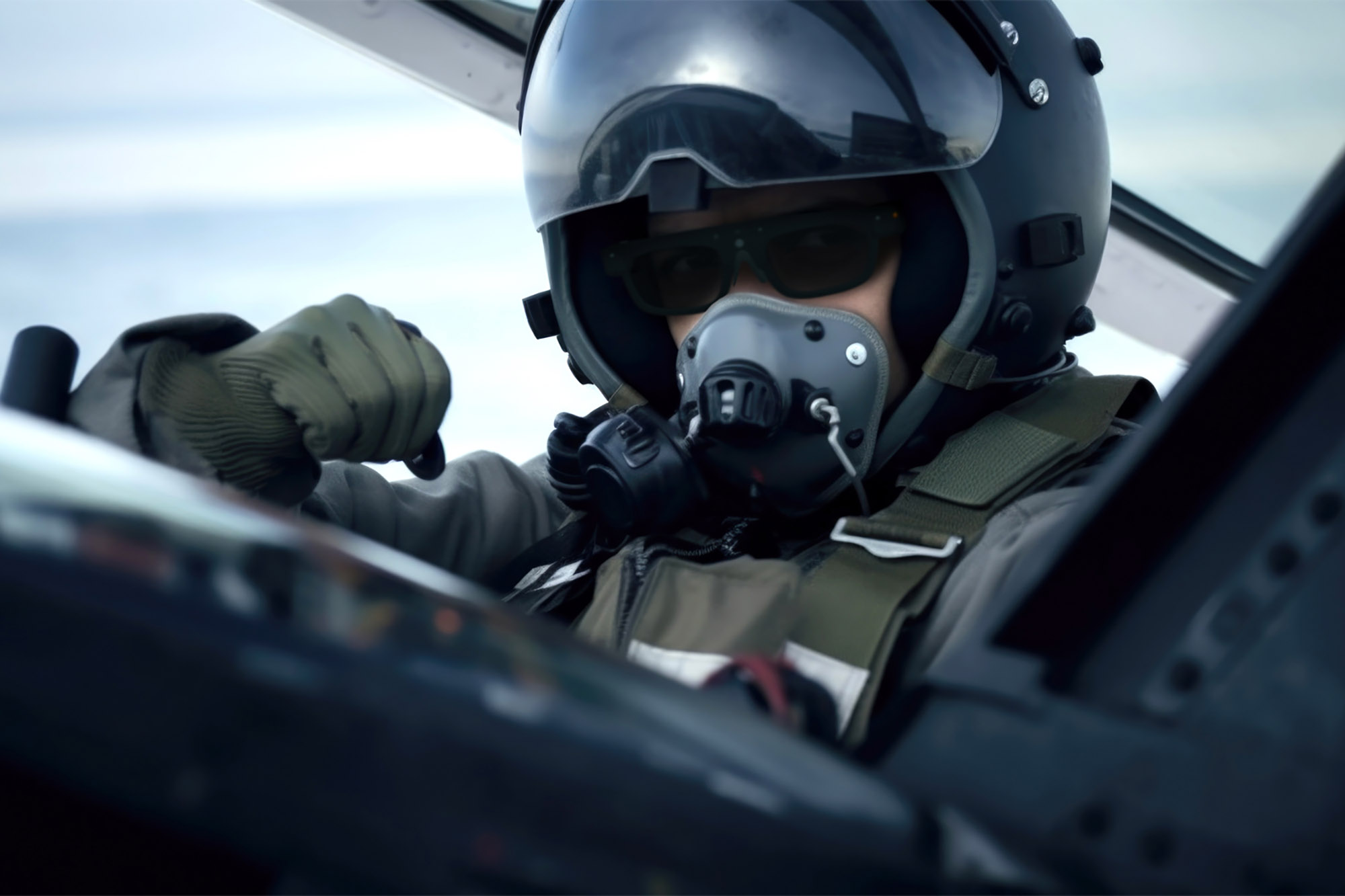
Hardware Innovation
Standalone Hands-Free Solutions
Discover how standalone Android smart glasses improve productivity across industrial environments.
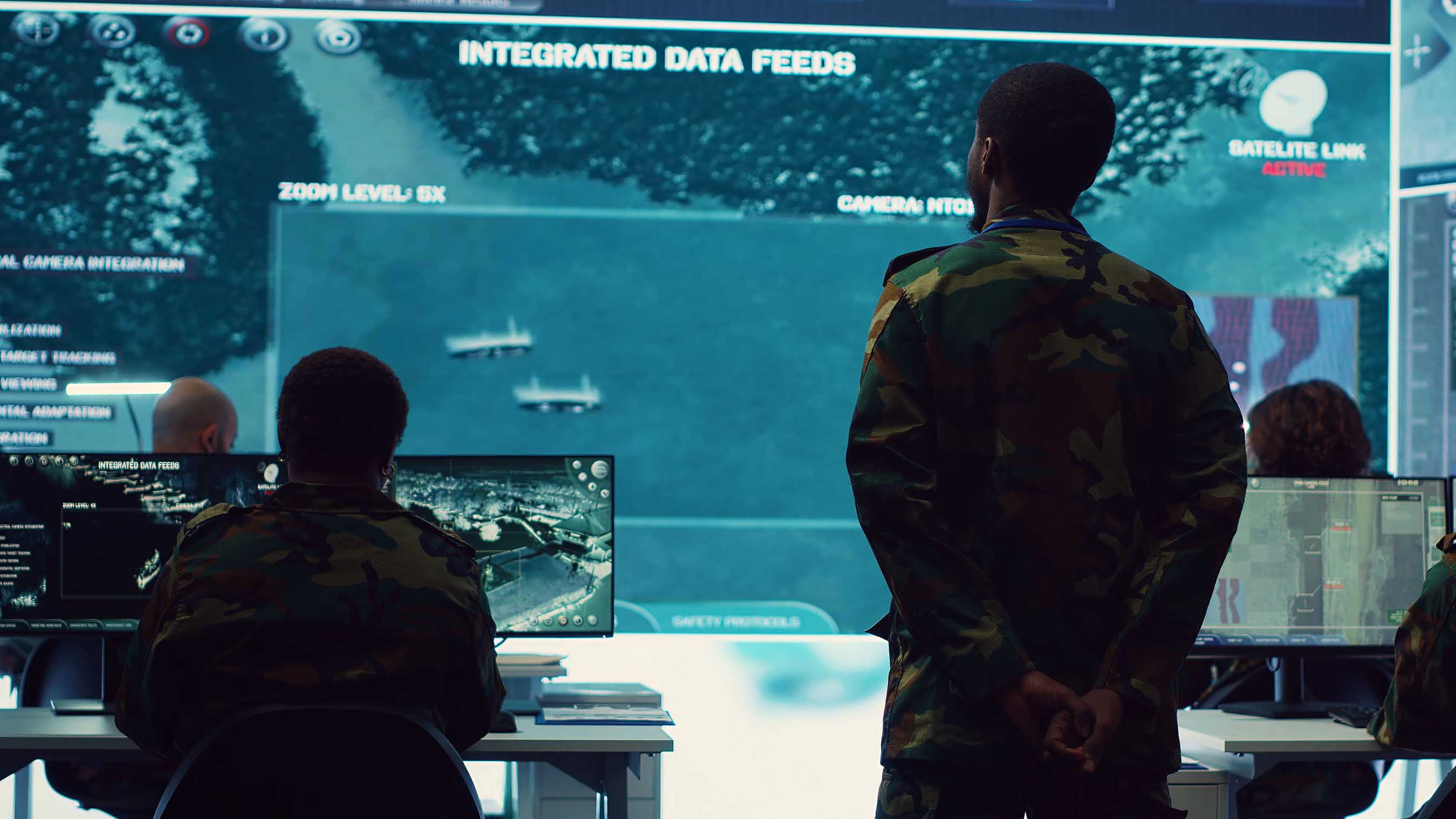
Command Center
Real-Time Field Intelligence
Live video feeds, telemetry, and central monitoring for multi-operator teams.
Product Recommendations
Export-Ready Product Portfolio for Australian Defence and Field Operations
The products below form a practical procurement shortlist for Australian buyers evaluating tactical AR, secure XR, remote assistance, drone viewing, digital-twin compute, laser safety and field-safety accessories. This is not a blanket claim that every item is certified for a specific Australian defence programme. For each configuration, request the current datasheet, security note, export classification, warranty terms and delivery route. Where a dedicated product URL is not available, use the Contact Us button to request Australian pricing and compliance documents.
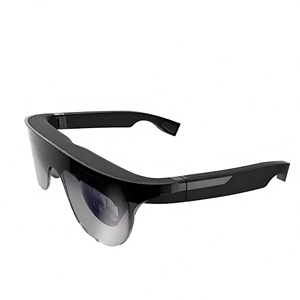
Specialised material for transparent nylon temple arms in AR glasses
A specialist material route for integrators developing lightweight AR eyewear, repair programmes or local frame assembly. Transparent nylon temple arms influence comfort, flex, optical alignment and long-term wearability.
Australian fit: request polymer grade, UV and heat-ageing data, cleaning-agent compatibility, batch traceability and AS/NZS eyewear assessment before operational release.
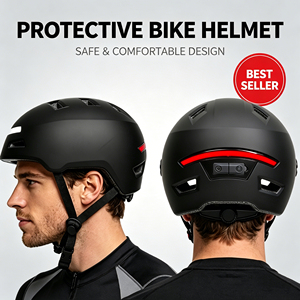
Multifunction Electric Bike Helmet With Wireless Left Right Turn Indicators Smart Commuting Urban Helmet For Night Riders
A smart commuter helmet with wireless directional indicators for night-time visibility. It can be evaluated for campus patrol, urban site transport, event security and night-shift worker visibility programmes.
Australian fit: confirm AS/NZS 2063 helmet compliance, battery safety, indicator durability, water resistance and radio interference for the proposed environment.
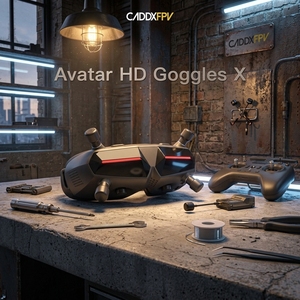
Multifunctional Avatar HD Goggles X Support AV Input Micro SD Card Recording FPV Racing Drone Smart Goggles
A drone-viewing and FPV goggle platform with AV input and Micro SD recording. Useful for inspection training, search-support exercises, remote camera evaluation and drone-based situational awareness trials.
Australian fit: for defence-adjacent use, validate recording controls, removable storage, encryption, RF profile, battery logistics and data-transfer procedures.
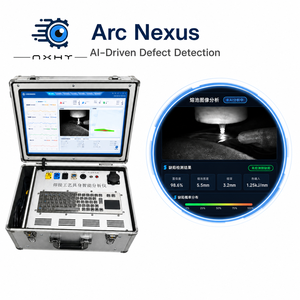
Arc Nexus Digital Twin Welding Analyzer, Real-time AI Defect Detection for Robotic MIG TIG Laser
A real-time welding analytics platform for robotic MIG, TIG and laser processes. It is relevant to naval sustainment, defence fabrication, mining maintenance and workshops where rework, traceability and weld quality matter.
Australian fit: request calibration records, defect-model validation, integration APIs, cyber-security notes and local service support for production-critical deployments.

AI Digital Twin 8-GPU 4U Rack Server SYS-421GE-NBRT-LCC Dual Xeon 8TB Liquid Cooled GPU Server for Simulation
An on-premises compute platform for simulation, digital twins, AI model training and secure XR workloads. It supports Australian test ranges, universities, defence primes and industrial groups that cannot place sensitive data in a public cloud.
Australian fit: review power density, liquid-cooling maintenance, physical security, data residency, backup strategy and integration with existing HPC or simulation environments.
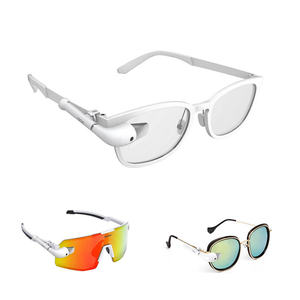
Ultralight Smart AR Glasses W/ 0.32inch Micro OLED Display 624x405 Resolution 1200 Nits 20° FOV Real Time Translation Navigation
A lightweight AR evaluation device with a 0.32-inch Micro OLED display, 624x405 resolution, 1200 nits brightness, 20° field of view, real-time translation and navigation support. It suits logistics, warehousing, visitor guidance and field translation pilots.
Australian fit: confirm display legibility in harsh sunlight, prescription options, mobile device management, privacy controls and suitability for the required PPE combination.
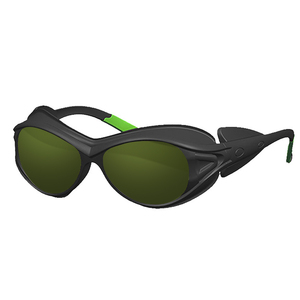
CE Certified Safety Glasses Fiber Cutting Welding Laser Goggles 750-2000nm for Eye Protection Plastic/PC Frame Work Glass Laser
Safety eyewear for fibre cutting, welding and laser environments, covering the 750–2000 nm range. Relevant to metal fabrication, MRO workshops, research labs and defence manufacturing cells.
Australian fit: verify wavelength match, optical density, impact rating and AS/NZS 1337 series obligations for the exact laser task. CE marking alone is not a substitute for Australian workplace assessment.
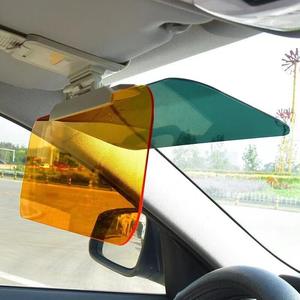
Day & Night Anti-Glare Car Sunshade UV Ray Driver Safety Night Vision Goggles for Safe Driving Car Sun Visor Extender Anti Glare
An anti-glare sun visor extender for day and night driving conditions. It can be considered for fleet safety trials, long-distance operations, emergency vehicle support and high-glare regional routes.
Australian fit: check driver-distraction rules, mounting security, optical clarity, cabin compatibility and fleet WHS approval before adoption.
For products without a live product page, this single enquiry route is the fastest way to request Australian pricing, MOQ, lead time, export documentation and technical clarification.
Why Australia Needs a Tactical AR Headset Supplier, Not Just a Product Reseller
Australia is not a single, uniform operating environment. A headset deployed in a Sydney warehouse, a Pilbara maintenance workshop, a Northern Territory training area and a naval sustainment facility faces different heat, dust, salt, glare, connectivity and PPE constraints. Tactical AR procurement therefore has to look beyond the headset specification sheet. It must examine the full operating chain: device ergonomics, secure software, battery logistics, repair turnaround, integration with enterprise systems and the ability to operate when the network is degraded or absent.
ThirdEye Gen is relevant to Australian buyers because the portfolio spans the headset, the Android-based AR operating layer, the secure extended reality software, the remote-expert workflow and the command-centre view. That reduces the integration risk that appears when a buyer stitches together a headset from one vendor, software from another and support from a third. For Australian defence primes, systems integrators, emergency services, utilities and heavy industry, the practical question is not only “which AR headset works?” but “which supplier can provide a repeatable, supportable configuration across sites and years?”
The Australia market also rewards suppliers who can explain the boundary between capability and certification. A device may be commercially available and technically capable without being automatically certified for a specific ADF programme, clinical use, hazardous area, laser task or vehicle installation. A credible supplier should provide evidence, identify assumptions and support a controlled trial before scaling.
- Evidence for security, encryption, device management and offline operation.
- Clear export-control, end-use, import and Australian customs documentation.
- Local or regional route for spares, batteries, lenses, prescription inserts and repair.
- Integration guidance for ERP, EAM, MES, PACS, simulation and identity systems.
- A pilot plan with acceptance criteria, training and measurable operational outcomes.
Australian Procurement Lens
Use these four filters before shortlisting a tactical AR headset or secure XR platform.
- Security posture: confirm encryption, secure boot, on-device processing, audit logging, removable storage policy and behaviour in GPS-denied or disconnected environments.
- Support geography: ask where spares are held, how RMA works, who performs repair and what response time is offered for regional and remote sites.
- Compliance evidence: map each product to the relevant Australian standard, workplace duty, radio requirement, PPE rule or defence security expectation. Do not assume CE or FCC marks equal Australian approval.
- Information gain: require a documented pilot that compares task time, error rate, first-time-fix rate, travel avoided and user fatigue before and after deployment.
Localised Applications
Tactical AR Headset Use Cases Across Australia
Australian buyers usually need a configuration that works across long distances, mixed connectivity, harsh light and strict safety cultures. These are the application areas where AR headsets and secure XR software deliver the clearest operational value.

Field Service and Remote Utilities
Technicians in Western Australia, the Northern Territory, regional Queensland and remote infrastructure sites can use RealEye AI telepresence to show a specialist exactly what they see. Hands-free annotation, session recording and audit trails support faster fault isolation without flying experts to site. The value is strongest where travel time, permit delays and asset downtime cost more than the headset deployment itself.

Aerospace and Defence MRO
Maintenance, repair and overhaul teams can keep both hands on the airframe or vehicle while work instructions, inspection checkpoints and remote engineering guidance remain in view. MIDAS is relevant where AR must sit inside a protective mask without breaking the seal. X2 MR glasses suit hands-free maintenance and training. Command Centre visibility helps supervisors manage multiple operators, sites and live video feeds.

Healthcare and First Responders
Paramedics and remote clinical teams can stream patient condition to receiving clinicians before arrival, receive guided support in transit and document interventions hands-free. Any Australian healthcare deployment should be designed around privacy, consent, clinical governance and secure data handling. The operational benefit is earlier specialist oversight and better continuity of care, not gadgetry for its own sake.

Manufacturing and Mining Fabrication
Australian manufacturing, defence fabrication and mining maintenance teams can combine AR work instructions with digital-twin welding analytics and AI defect detection. The Arc Nexus welding analyzer and secure compute platforms support a broader quality ecosystem: guided assembly, weld traceability, rework reduction and training. The best pilots define measurable targets such as first-time-fix rate, rework percentage or onboarding time.

Architecture and Infrastructure
BIM overlays on site help project teams validate design intent, detect clashes earlier and communicate construction sequencing to contractors. For Australian infrastructure programmes, AR can reduce rework caused by ambiguous drawings and improve remote stakeholder walkthroughs. Use lightweight AR glasses for model review and ruggedised devices where dust, heat or PPE constraints affect the site.

Education, Training and Simulation
Universities, TAFE providers, defence training establishments and enterprise academies can use AR and mixed reality to let students practise high-risk procedures safely and repeatedly. The 8-GPU digital-twin server supports on-premises simulation and AI workloads where data cannot leave the facility. Successful programmes pair immersive content with assessment criteria, instructor dashboards and device management.
Australia Market Trends
What Is Changing in Australian Defence and Enterprise XR Procurement
AR is moving from innovation pilots into sustainment planning. Buyers now ask harder questions about security, sovereign support and measurable operational return.
Secure Edge XR and Zero-Trust Thinking
Defence and critical-infrastructure buyers want AR that works when connectivity is poor, contested or intentionally disconnected. SXR-style secure extended reality, on-device processing, encryption, secure boot and audit trails are becoming evaluation criteria rather than afterthoughts.
Sovereign Sustainment and Local Support
Australian procurement increasingly considers the full life cycle: spares, repair, batteries, prescription optics, firmware updates and local technical support. A supplier that can document sustainment arrangements is easier to approve than one offering only a low unit price.
AI-Assisted Maintenance and Digital Twins
Remote expert tools, AI annotation, digital-twin welding analytics and simulation servers are converging. The buyer benefit is not simply “AI” but shorter fault isolation, better weld traceability, faster onboarding and fewer repeated site visits.
Human Factors for Harsh Australian Conditions
Sunlight, heat, dust, sweat, salt and PPE compatibility can make or break an AR programme. Buyers should test display legibility, thermal behaviour, battery swap time and comfort over a full shift before committing to fleet rollout.
Illustrative Evaluation Weighting
Australian procurement workshops often balance capability against supportability. The weighting below is illustrative for tender discussions, not market research or a guarantee of outcomes.
Enterprise Advantages
Why ThirdEye Gen Is a Credible AR Headset Supplier and Exporter for Australia
The advantage is not a single device. It is the ability to align hardware, software, security and support around an Australian operational requirement.
One Accountable AR Stack
MIDAS, X2 MR glasses, SXR secure software, RealEye AI telepresence, DroneEye AR piloting and Command Centre can be evaluated as one architecture. This reduces finger-pointing between headset, software and integration vendors.
Secure and Disconnected Use
SXR was purpose-built for secure and classified-style environments, with encryption, on-device processing and support for disconnected or GPS-denied operation. Australian buyers should still validate the specific deployment against their own security framework.
Open Integration
ThirdEye devices use an Android-based AR operating system, documented APIs and a developer app ecosystem. Integrators can connect ERP, EAM, MES, PACS, simulation and identity systems rather than building a closed one-off application.
Export and Service Experience
Founded in 2016, ThirdEye Gen serves users in 45+ countries and holds a USAF AR headset contract award. Global service hubs include Princeton, New York, Athens, Frankfurt and São Paulo. Current compliance statements include ITAR-aware processes, ISO-aligned QMS, GDPR-ready data handling and Made in USA engineering. Australian buyers should confirm the applicable export classification and local support route for each order.
Recommended Configurations
Which Tactical AR Headset Configuration Fits Your Australian Programme?
Start with the operating constraint, not the device. The three routes below cover masked operations, hands-free field work and secure multi-operator command.
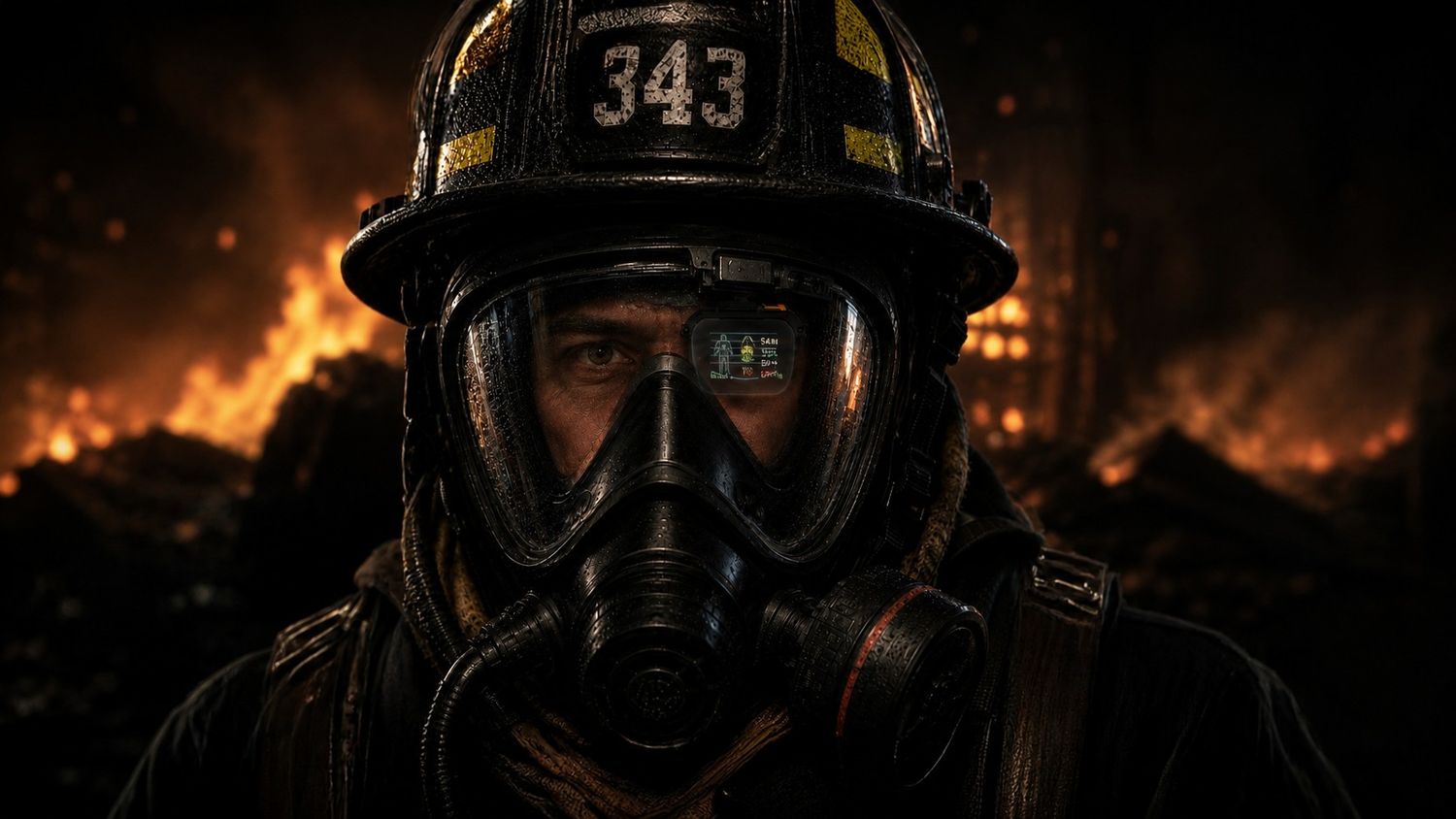
MIDAS for Masked and Zero-Visibility Operations
When the mission requires a certified protective mask to remain sealed, a conventional headset may be unsuitable. MIDAS embeds a monocular AR display inside the mask architecture so navigation cues, sensor readings and command instructions remain in the operator’s line of sight without breaking the seal or modifying the visor.
For Australian buyers, MIDAS is most relevant to specialist response, hazardous environments, confined-space work, fire and rescue, and defence scenarios where PPE integration is non-negotiable. The pilot should test mask compatibility, seal integrity, display readability in smoke or dust, battery swap time and streaming to the command centre.
- Monocular waveguide display inside the mask environment.
- Designed for smoke, dust and low-visibility conditions.
- Hot-swappable modular power for extended missions.
- Real-time streaming to the ThirdEye Command Centre.
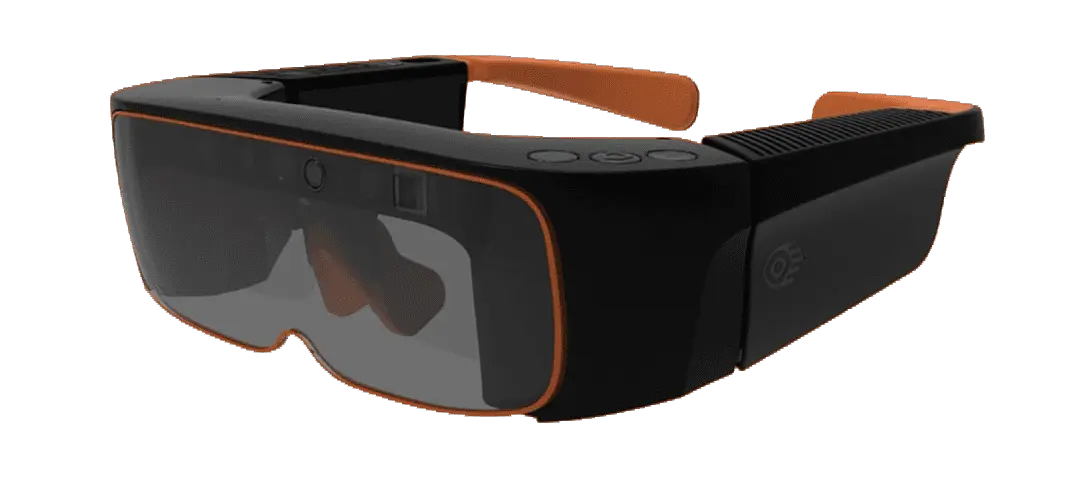
X2 MR Smart Glasses for Hands-Free Field Work
The X2 is a standalone Android AR headset built for real work: on-board processing, SLAM tracking, voice and gesture control, and an open SDK for integration. Technicians can follow 3D work instructions, join a remote call and keep both hands on the asset. The same platform supports maintenance, inspection, training and drone-view workflows.
Australian evaluation should be practical: test display brightness in direct sun, thermal behaviour during a full shift, battery swap logistics, prescription compatibility, PPE fit and Wi-Fi or private 5G coverage. The X2 is not simply a display; it is a managed Android device that should enter the buyer’s MDM, identity and cyber-security processes.
- Untethered Android AR platform with developer SDK support.
- Prescription-compatible optics and industrial mounting options.
- Field-proven with first responders, utilities and defence users.
- Suitable for remote expert, guided procedure and training applications.
SXR, RealEye AI and Command Centre for Secure Remote Operations
RealEye AI turns a headset into a live support node. A remote specialist can see what the field operator sees, annotate the view, record the session and sign off the job without travelling to site. Command Centre adds a multi-operator view of live video, telemetry and task status. SXR provides the secure extended reality layer for organisations that cannot accept consumer-grade cloud assumptions.
For Australia, this configuration is especially relevant to remote infrastructure, defence sustainment and multi-site emergency coordination. The commercial case should quantify avoided travel, reduced mean time to repair, improved first-time-fix rate and training reuse. The security case should document data residency, encryption, access control, retention and disconnected-mode behaviour.
- Low-bandwidth streaming for plant, regional and remote networks.
- Session recording for QA, compliance and training libraries.
- Role-based access and enterprise identity integration.
- Compatibility with drone feeds and live command visibility.
Command Centre visibility: supervisors can manage operators, live video and task status across sites instead of relying on fragmented phone calls and spreadsheets.
Defence maintenance context: hands-free access to instructions and remote expertise is most valuable where documentation, safety and traceability cannot be sacrificed for speed.
Procurement Checklist
Australian Procurement Checklist: What to Validate Before You Import
Use this checklist to compare suppliers on evidence rather than presentation. It is written for B2B evaluation and does not replace legal, security or engineering advice.
Ask for the applicable export-control classification, end-user documentation and Australian import requirements. Confirm whether the exact configuration, software and encryption modules trigger additional review.
Review encryption, secure boot, on-device processing, logging, removable storage, cloud dependencies, data residency and offline operation. Map the proposed architecture to the buyer’s privacy, cyber and defence security obligations.
Do not assume CE, FCC or a US defence pedigree automatically satisfies Australian requirements. Check AS/NZS PPE standards, laser eyewear standards, helmet standards, radio compliance, electrical safety and WHS duties for the exact use case.
Ask where batteries, lenses, cables, mounts and repair parts are held; who performs RMA; what turnaround applies to regional sites; and whether prescription inserts, hygiene kits and training are available locally.
Confirm SDK access, API documentation, MDM support, firmware update policy, vulnerability disclosure and compatibility with ERP, EAM, MES, PACS, simulation or identity platforms. Ask who supports the integration after go-live.
Define measurable acceptance criteria before the trial: task time, error rate, first-time-fix rate, travel avoided, user fatigue, battery swap time, thermal performance and security sign-off. A successful demonstration is not the same as an approved deployment.
Request an Australian procurement pack covering product configuration, export documentation, pilot planning, integration questions and support assumptions.
Australia Buyer FAQ
Tactical Defense AR Headset Purchasing Questions from Australian Buyers
These are the questions most commonly raised by Australian integrators, defence suppliers, emergency services, universities and industrial groups evaluating AR hardware and secure XR software.
Are you a tactical defence AR headset supplier or only a reseller?
ThirdEye Gen is a US-based AR and mixed reality technology company that designs and supplies headsets, AR display mask technology and secure extended reality software. The portfolio includes MIDAS, X2 MR smart glasses, SXR, RealEye AI, DroneEye and Command Centre. For Australian buyers, the key is to confirm the exact configuration, integration owner, export route and support arrangement for your programme rather than relying on a generic capability statement.
Can you export AR headsets and related technology to Australia?
Export is considered case by case. It depends on the product, destination, end user, end use, software configuration, encryption and applicable export-control rules. Australian import requirements, customs documentation and any defence or research end-use conditions must also be reviewed. Provide the intended use, delivery location and organisation details so that the quotation can include the correct documentation route.
Do your products automatically meet Australian defence or workplace standards?
No responsible supplier should make a blanket claim that a commercial product automatically meets every Australian defence, clinical, electrical, laser, radio or PPE standard. Standards depend on the exact product, task and jurisdiction. CE marking is not a substitute for Australian assessment. Buyers should request technical evidence, test reports, declarations and a gap analysis against the relevant standard or workplace duty.
How can an Australian team trial a tactical AR headset before purchase?
A sensible route is to define the operational task, success measures, site conditions and security constraints first. Then arrange a remote demonstration, followed by a controlled pilot with named users. The pilot should measure task time, error rate, first-time-fix rate, travel avoided, battery logistics, comfort and integration effort. Use the Contact Us button to request a pilot-planning discussion.
What about data sovereignty, classified environments and disconnected operation?
Secure XR design should be discussed at the architecture level: encryption, identity, access control, logging, on-device processing, cloud dependencies, removable storage and offline mode. SXR is positioned for secure and disconnected use cases, but no architecture should be assumed approved for an Australian agency without a formal security review. Engage the buyer’s security team early and document every assumption.
Which AR headset is best for Australian heat, dust and strong sunlight?
There is no universal answer. MIDAS is relevant when mask integration is the constraint. X2 is relevant for hands-free industrial and defence field work. The ultralight AR glasses are relevant for lighter information display, translation and navigation. Each must be tested for display legibility in direct sun, thermal behaviour, battery swap time, sweat and dust exposure, PPE fit and user fatigue across a realistic shift.
What warranty, spares and service support is available in Australia?
Support and warranty terms depend on the product, configuration and order route. Ask for the proposed service level, RMA process, spares location, battery replacement policy, prescription insert handling, training options and escalation path. ThirdEye maintains global service hubs and an authorised partner network, but Australian buyers should confirm the exact local arrangement in the quotation rather than assuming it.
Can your AR and XR platforms integrate with Australian enterprise systems?
ThirdEye devices run an Android-based AR operating system with an open SDK and documented APIs. Integration is typically possible with ERP, EAM, MES, PACS, simulation, identity and video platforms, subject to the software partner and security review. A successful integration plan should identify data flows, authentication, update responsibility and support ownership before the pilot begins.
How are lead times and minimum order quantities handled?
Lead time and MOQ are configuration-dependent, especially where custom software, mounts, secure deployment, training or local support are involved. They also depend on export documentation and component availability. Request a written quotation that separates hardware, software, integration, training, freight and support so that the total cost of ownership is visible.
Do you provide training and onboarding for Australian teams?
Training can be scoped around the deployment model: administrator training for MDM and security, train-the-trainer sessions for field teams, integration workshops for software partners and user acceptance testing for operational leads. The right approach is to combine classroom or remote instruction with supervised field use, then review performance against the pilot acceptance criteria.
Australian Supply and Pilot Enquiry
Build a Defensible AR Headset Procurement Plan for Australia
Share your operating scenario, security constraints, site locations and integration requirements. We will help define a suitable MIDAS, X2, SXR, RealEye or Command Centre evaluation route, with clear assumptions for export, compliance, support and pilot success measures.
Contact Us