
Featured AR Platforms & Optical Components
CE-certified OEM/ODM optical engines, micro-displays, and protective visors for surgical integration.
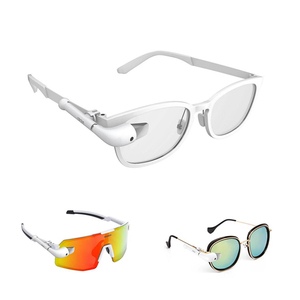
Ultralight Surgical AR Display 0.32" Micro OLED Engine
1200 Nits high-luminance optical waveguide display with 624x405 resolution and 20° FOV, designed for intraoperative visual overlay.
Get a Quote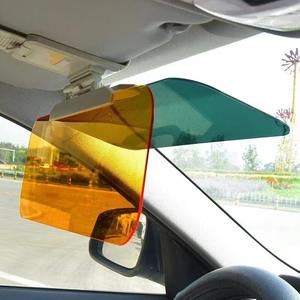
Intraoperative Anti-Glare Optical Filter Goggles
Advanced UV/anti-glare optical protective eyewear for surgical light diffusion, shadow suppression, and high-contrast imaging.
Get a Quote
Impact-Resistant Carbon Fiber AR Headset Chassis
Ultra-lightweight autoclavable carbon fiber structure for mounting spatial tracking sensors, depth cameras, and surgical visors.
Get a Quote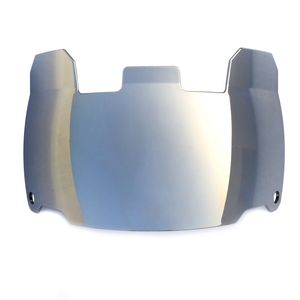
Medical Grade Universal Anti-fog Surgical Shield
High-optical-clarity clear eye shield visor with medical-grade anti-fog coating for sterile operating theater environments.
Get a Quote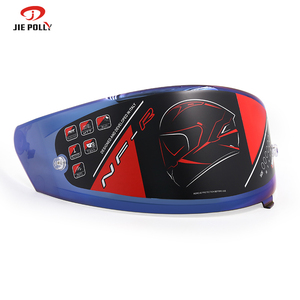
Quick-Release Magnetic Lens Modular Surgical Visor
Interchangeable magnetic optical filter lens system allowing rapid swapping between ambient and augmented visualization modes.
Get a Quote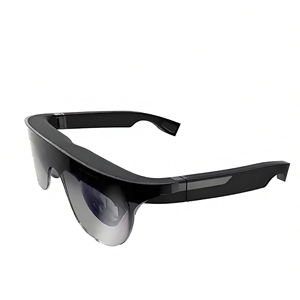
Biocompatible Transparent Nylon Temple Arms for AR
Specialized medical polymer material offering flexibility, chemical resistance, and ergonomic weight distribution for surgical smart glasses.
Get a Quote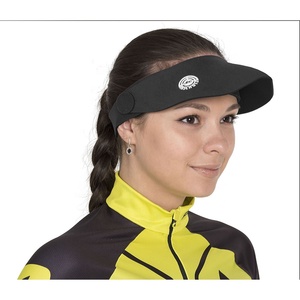
Two-Part Ergonomic Surgical Headband & Visor Assembly
Dual-component harness with soft neoprene padding and quick-detach surgical visor mount for long-duration spinal and cranial procedures.
Get a Quote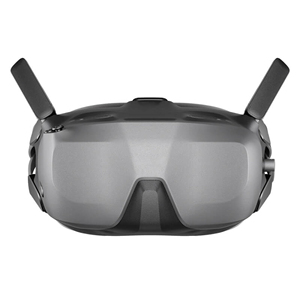
High-Definition 1080p Spatial Tele-Surgery AR Goggles
Immersive wide-vision optical display system compatible with low-latency spatial tracking for real-time remote clinical consultation.
Get a QuoteEngineering CE Certified Surgical AR Platforms for Precision Navigation
An analysis of spatial computing optics, real-time DICOM mapping, micro-OLED luminance integration, and medical device compliance for Tokyo's surgical automation ecosystem.
Modern surgical suites in Tokyo are undergoing a fundamental paradigm shift. Legacy navigation systems relying on bulky, wall-mounted optical tracking carts and off-site 2D monitors force surgeons to repeatedly look away from the surgical field—introducing cognitive friction, neck fatigue, and spatial disorientation. The integration of CE Certified Augmented Reality (AR) Surgical Guidance Platforms solves this intraoperative bottleneck by projecting sub-millimeter registered 3D anatomical structures directly into the surgeon's natural line of sight.
1. Hardware Architecture: Optical Waveguides & Micro-OLED Engines
The core optical engine of an intraoperative AR display must balance extreme visual clarity under surgical overhead lighting (which often exceeds 40,000 to 100,000 lux) with an ultra-lightweight form factor. Our platform utilizes custom 0.32-inch Micro-OLED displays coupled with high-efficiency diffraction optical waveguides. Delivering up to 1200 Nits of display luminance, the system prevents ambient wash-out while maintaining an optical see-through transmission rate exceeding 85%.
| Technical Parameter | Surgical AR Platform Specification | Clinical Impact / Advantage |
|---|---|---|
| Display Technology | 0.32" Micro-OLED Waveguide (Optical See-Through) | Zero visual occlusion of the physical surgical field. |
| Luminance Output | 1200 Nits (Adjustable auto-brightness sensor) | Prevents optical washout under high-intensity OR lamp setups. |
| Target Registration Error (TRE) | < 0.5 mm (Sub-millimeter spatial alignment) | Critical accuracy for spinal pedicle screw alignment & cranial tumor margin identification. |
| Motion-to-Photon Latency | < 14.2 ms (Dual 9-DOF IMU + Stereo SLAM) | Eliminates visual lag during head movement, preventing operator motion sickness. |
| Material Biocompatibility | ISO 10993 Certified Polycarbonate & Carbon Fiber Chassis | Resistant to surgical fluid splashes and compatible with standard liquid sterilization protocols. |
| Regulatory Compliance | CE MDR 2017/745 Class IIb, ISO 13485 Cleanroom Manufacturing | Fully eligible for hospital procurement and clinical trials across EU & Japan. |
2. Spatial Alignment & Real-Time DICOM / PACS Integration
Surgical guidance software relies on dynamic rigid and non-rigid registration. Before incision, preoperative CT or MRI datasets (in standardized DICOM format) are ingested into the platform's spatial rendering core. Using stereo optical tracking cameras mounted on the carbon-fiber frame, the AR system detects fiducial markers attached to the patient anatomy or uses markerless surface-matching algorithms.
By executing real-time coordinate transformations, pre-operative volumetric renders are locked to physical structures. As the surgeon manipulates tissues, real-time spatial computing algorithms dynamically adjust the holographic depth buffer, allowing surgeons to "see through" tissue layers to locate deep-seated tumors, blood vessels, and bone structures with absolute precision.
Intraoperative AR Deployment in Tokyo Healthcare Systems
Tailored implementations for academic research hospitals, specialized surgical centers, and OEM device integrators across the Greater Tokyo Area.
Orthopedic & Spine Surgery (Kanto Medical District)
Enables real-time trajectories for pedicle screw placement and total joint arthroplasty in top-tier Tokyo medical centers. Replaces radiation-heavy intraoperative fluoroscopy with persistent 3D holographic guidance, cutting X-ray exposure for OR personnel by up to 70%.
Neurosurgical Vascular Navigation
Projects complex cerebrovascular trees directly onto the craniotomy window. Surgeons navigating deep brain lesions receive visual depth alerts when surgical tools approach critical motor strips or optical nerves, improving resection margins.
Laparoscopic & Robotic Assistance Overlay
Integrates seamlessly with endoscopic feeds and robotic surgical consoles. AR headsets act as a secondary heads-up display, projecting real-time patient vital signs, ultrasound feeds, and instrument tip trajectories without obscuring the surgical field.
Tele-Surgical Mentoring & Multi-Hub Consultation
Using the SXR Secure Extended Reality framework, senior specialists in Tokyo can mentor junior surgeons operating in regional prefectures (Chiba, Saitama, Kanagawa) via encrypted, low-latency 5G telemetry feeds with real-time 3D annotations.
Maxillofacial & Reconstructive Surgery
Provides exact osteotomy cut-line guidance and custom titanium implant seating overlays. Holographic spatial templates guarantee that bone flap harvesting matches facial defect geometry to sub-millimeter accuracy.
Medical Education & Clinical Simulation
Used by Tokyo medical universities for intraoperative training. Resident surgeons wear lightweight AR visors to observe real-time surgical pathways overlaid on live procedures without disrupting the primary surgical team.
Tokyo Surgical AR Market Trends (2025–2030)
Tokyo is globally recognized as an early adopter of medical robotics and high-precision spatial computing. Several key macro and technological trends are driving the rapid adoption of CE-certified AR surgical platforms across Japan:
Transition from Navigation Carts to Wearable Spatial Computing
Hospitals are phasing out legacy, space-consuming surgical navigation carts in favor of ergonomic, head-worn optical see-through displays. Wearable AR platforms reduce capital expenditure by up to 40% while freeing up critical operating room floor space.
Integration with Private 5G Networks in Japanese Hospitals
Tokyo hospital networks are deploying localized Private 5G infrastructure. High-bandwidth, sub-5ms network latency enables offloading of heavy 3D rendering tasks from headset hardware to local edge servers, extending battery life and reducing thermal dissipation.
Strict Convergence of CE MDR & PMDA Standards
Procurement teams in Tokyo increasingly require medical devices to hold CE Mark validation prior to domestic PMDA submission. Suppliers offering pre-certified CE Class IIb/III hardware significantly shorten the clinical trial and approval timeline for Japanese hospital networks.
Demographic Shift & Demand for Surgical Automation
Japan’s aging population has increased procedure volumes in spinal, orthopedic, and cardiovascular surgeries. Surgical AR platforms enable higher procedural throughput, standardized outcomes, and reduced operative times per patient.
Why Global MedTech Brands Partner With Us
End-to-end hardware manufacturing, proprietary spatial SDK development, and rigorous quality assurance tailored for OEM/ODM partners in Tokyo.
As a leading designer and manufacturer of augmented reality hardware and secure spatial software, ThirdEye Gen provides an unmatched technology stack for medical device integrators. We offer complete OEM/ODM customized manufacturing solutions from optical engine alignment to custom firmware development.
ISO 13485 Cleanroom Manufacturing
Our optical waveguides and micro-display engines are assembled in ISO-certified cleanroom environments, ensuring zero dust contamination, perfect optical alignment, and strict adherence to medical device quality management systems.
Proprietary SXR & Command Center Software Stack
We supply more than just raw hardware. Our Secure Extended Reality (SXR) software suite includes SDKs for Unity and Unreal Engine, open APIs for DICOM server connectivity, and enterprise remote collaboration software with end-to-end encryption.
Custom Optical & Ergonomic Tailoring
From autoclavable headband materials and prescription lens inserts to custom sensor suites (IR depth cameras, time-of-flight sensors), we customize hardware to meet your specific surgical discipline requirements.
Global Technical Support & Localized Logistics
Our dedicated engineering support teams assist Tokyo integration partners with SDK implementation, spatial calibration tuning, and rapid prototype delivery to accelerate time-to-market.
Frequently Asked Questions by Tokyo Buyers & Integrators
Addressing key technical, regulatory, and commercial inquiries from medical device distributors and hospital procurement teams in Japan.
Accelerate Your Surgical AR Integration in Tokyo
Speak directly with our spatial optical engineers and OEM specialists to request sample evaluation units, CE technical dossiers, or custom SDK access.