
Industrial & Tactical Smart Headgear Catalog
Direct OEM/ODM Supply for Philippine Enterprises, Government Agencies, and Industrial Procurement Units
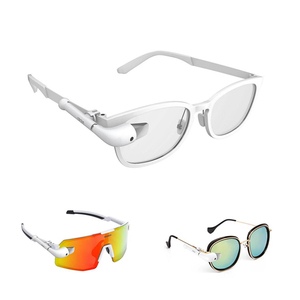
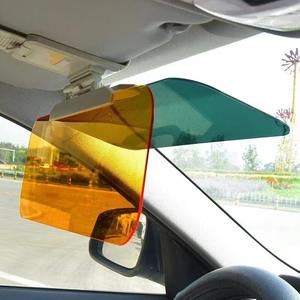
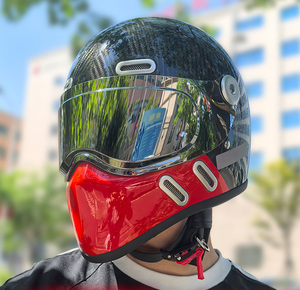
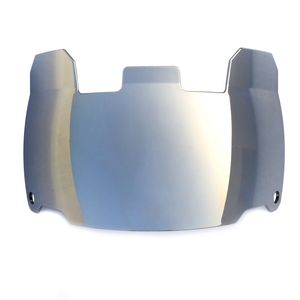
Executive Overview: The Evolution of Smart AR Headgear in Metro Manila
The National Capital Region (NCR) of the Philippines—anchored by Metro Manila—is undergoing an aggressive digital transformation across industrial infrastructure, public safety, port logistics, and transportation networks. Under the national government's "Build Better More" (BBM) infrastructure initiative, mega-projects such as the Metro Manila Subway, North-South Commuter Railway (NSCR), and major expressway expansions require real-time field data delivery, hands-free telemetry, and high-impact physical protection for field engineers and operators.
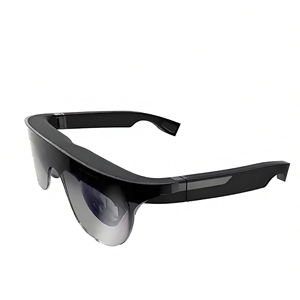
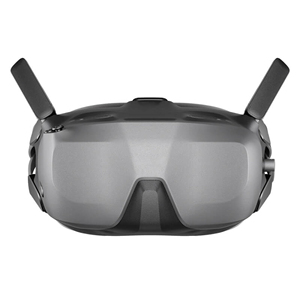
As a leading global OEM/ODM manufacturer and direct factory supplier, our organization delivers high-grade Augmented Reality (AR) helmets, smart display masks, optical visors, and lightweight HUD smart glasses tailored specifically to overcome the severe environmental and operational challenges of the Manila market. These challenges include extreme tropical heat, heavy downpours during monsoon seasons, intense sunlight glare, and dense urban noise environments.
Key Market Drivers in the Philippines
- Infrastructure Modernization: Rapid expansion of rail, elevated highways, and smart utility grids demanding hands-free BIM model visualization and remote inspection.
- Public Safety & Traffic Operations: Metro Manila Development Authority (MMDA) and law enforcement teams adopting hands-free thermal and visual HUDs for traffic management and emergency triage.
- Maritime & Logistics Scale: The Port of Manila and nearby Freeport Zones (Subic Bay and Batangas Port) requiring ruggedized heads-up displays for container inspection, crane operators, and customs clearance workflows.
- Industrial OEM Customization: Industrial entities requiring ISO-certified carbon fiber shells coupled with Micro-OLED AR displays, anti-fog coatings, and encrypted extended reality (SXR) communications.
Localized Manila Application Scenarios
Engineering-grade deployments optimized for the environmental and operational demands of the Philippine industrial sector.
Infrastructure & Metro Tunneling
In underground rail construction like the Metro Manila Subway Project, field engineers face high humidity and low visibility. Our MIDAS-inspired AR helmet displays provide zero-visibility navigation, thermal imaging overlays, and spatial 3D CAD modeling directly inside certified impact-resistant hardhats without breaking seals.
Port Operations & Container Logistics
At Manila South Harbor and Manila International Container Terminal (MICT), dock workers and crane operators work under blinding tropical sunlight. Utilizing 1,200 Nits Micro-OLED AR optical engines and anti-glare visors, operators receive real-time container ID tracking and remote dispatch guidelines hands-free.
Law Enforcement & Highway Patrol
For motorcycle officers navigating Manila’s congested thoroughfares like EDSA and C-5, our DOT-certified Carbon Fiber Smart Helmets with HUD visors deliver real-time license plate recognition, turn-by-turn tactical routing, and voice-activated telecommunication links to central command centers.
Factory Engineering & Material Innovations for High-Humidity Markets
Deploying standard consumer electronics or basic headgear in the tropical maritime climate of Metro Manila often leads to micro-electronic failure, lens fogging, and degraded optical transmission. Our factory direct manufacturing process integrates specific technological safeguards designed for high humidity (averaging 80-90% year-round) and intense thermal variations:
1. Advanced Waveguide Optics & Micro-OLED Engines
We utilize ultra-compact 0.32-inch Micro-OLED optical engines producing up to 1,200 nits of luminance. This ensures high-contrast readability even under the direct midday tropical sun in Manila, where ambient illumination frequently exceeds 100,000 lux. Paired with a 20° to 40° FOV optical waveguide, operators view crisp HUD telemetry without obstructing their situational field of view.
2. Anti-Fog & Hydrophobic Lens Coatings
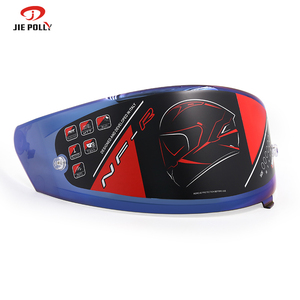
To eliminate interior visor condensation caused by sweat and humidity when transitioning between air-conditioned control vehicles and hot outdoor job sites, our visors feature dual-sided permanent anti-fog polycarbonate treatments complying with international eye protection standards (ANSI Z87.1 and EN166).
3. Carbon Fiber Composite Shell Engineering
For high-risk environments, our full-face and half-shell safety helmets utilize 3K carbon fiber woven composite shells certified under 3C and DOT specifications. Carbon fiber offers superior strength-to-weight ratios, significantly reducing fatigue for field personnel wearing smart helmets during 12-hour operational shifts.
Comparative Technical Benchmarks: AR Smart Helmets vs. Legacy Gear
| Performance Criteria | Factory Smart AR Helmet | Standard Industrial Hardhat | Consumer AR Eyewear |
|---|---|---|---|
| Display Luminance | Up to 1,200 Nits (Daylight Readable) | N/A | 300 - 500 Nits (Indoor Only) |
| Impact Protection | 3C & DOT Carbon Fiber / ANSI Z89.1 | Basic ABS / HDPE Plastic | None / Non-Rated Plastic |
| Weather Sealing | IP67 Sealed Core Electronics | N/A | IP54 Unsealed Joints |
| Anti-Fog System | Permanent Hydrophobic Coating | Optional Spray | None |
| Data Connectivity | 5G, Wi-Fi 6, Encrypted SXR Protocol | None | Short-range Bluetooth Only |
Why Partner With Our Factory Direct Manufacturing Platform?
End-to-end hardware and software customization tailored for B2B distributors and enterprise procurement in the Philippines.
Custom OEM/ODM R&D
From transparent nylon temple arms to modular HUD masks and custom carbon fiber visors, our in-house optical and mechanical engineers create bespoke modifications based on your agency or enterprise requirements.
Strict Defense & ISO Standards
Our manufacturing facilities operate under strict ISO quality management frameworks, aligned with military contract standards (USAF/Army award-winning technological lineages) and compliant with international shipping regulations.
Encrypted Software Architecture
In addition to hardware, we support integration with Secure Extended Reality (SXR) platforms, enabling local on-device spatial processing and end-to-end encrypted video transmission for sensitive military and critical infrastructure usage.
Frequently Asked Questions: Sourcing AR Helmets in Manila
Addressing common queries from local importers, enterprise buyers, and government contractors in the Philippines.
What are the import procedures and customs duties for shipping AR helmets to Manila ports?
Shipments destined for Manila (Port of Manila / Manila International Container Terminal) or NAIA Air Freight typically require standard import documentation, including a Commercial Invoice, Packing List, and Certificate of Origin. Smart helmets containing Wi-Fi/Bluetooth modules may require NTC (National Telecommunications Commission) clearance in the Philippines. As an experienced exporter, our logistics team assists local buyers with HS Code classification (e.g., 6506.10 for safety helmets, 9004.90 for optical gear) to streamline Bureau of Customs (BOC) processing.
How do these smart helmets perform in Manila’s intense heat and monsoon rain conditions?
Our hardware is explicitly engineered with ingress protection ratings up to IP67/IP68. Electronic housings are gasket-sealed, optical waveguide displays are treated with hydrophobic anti-fog coatings, and internal heat sinks disperse thermal loads cleanly, permitting reliable operation in ambient temperatures up to 50°C and heavy tropical rain showers.
Can the smart AR display interface be customized for local systems and workflows?
Yes. Our smart glasses and AR HUD systems run an open Android-based operating system with fully documented SDKs and APIs. Local software integrators in Manila can deploy custom Android APKs, integrate local GIS mapping data, or stream live video feeds directly into local command and control platforms.
What is the minimum order quantity (MOQ) and production lead time for bulk B2B purchases?
Standard catalog items maintain low MOQs to support initial pilot testing and field evaluations. For full custom OEM requests (such as custom helmet colorways, agency logos, specialized nylon temple arms, or custom optics integration), lead times generally range from 2 to 4 weeks depending on production volume and air/sea freight choice.
How is warranty, after-sales technical support, and spare parts replacement managed?
All factory direct products ship with a comprehensive manufacturer warranty. We provide direct modular replacement parts—including detachable visors, magnetic lenses, replacement straps, and battery units—ensuring minimal operational downtime for enterprise fleets deployed across Luzon, Visayas, and Mindanao.
Request a Technical Consultation & Factory Quote
Connect directly with our engineering team to discuss wholesale pricing, custom OEM specs, software integration, or sample shipments for the Philippine market.
Send an Inquiry