
High-Performance Construction AR & Protective Equipment
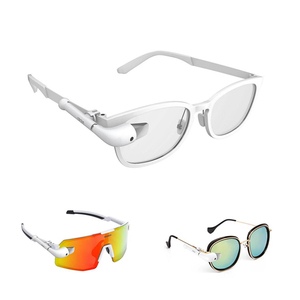
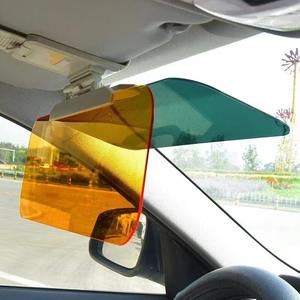
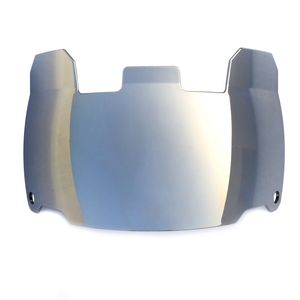
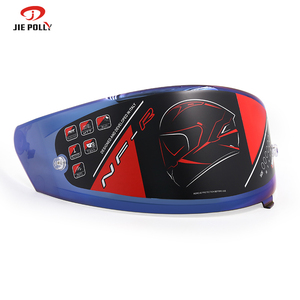
Enterprise-grade optical displays, ballistic helmet visors, and lightweight AR components engineered for heavy industrial and field-service workflows.

Quantifiable ROI in Enterprise Construction AR
Real-world metrics validated across international infrastructure projects, defense facility construction, and enterprise field deployments.
1. The Shift to Spatial Computing in Architecture, Engineering & Construction (AEC)
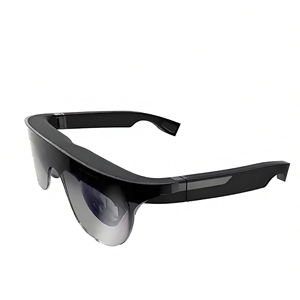
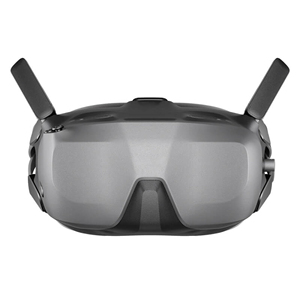
Modern mega-construction projects demand unprecedented accuracy, safety compliance, and schedule control. The global Architecture, Engineering, and Construction (AEC) sector has reached a critical inflection point: legacy 2D paper blueprints and handheld tablet screens create significant visual disconnects between digital design intent and actual field implementation. Enterprise procurement managers are actively sourcing high-reliability augmented reality (AR) smart glasses, hard-hat integrated display visors, and spatially-aware hardware solutions from vetted OEM/ODM factories to bridge this gap.
By superimposing 3D Building Information Modeling (BIM) data directly onto physical job sites in real-time, construction AR hardware eliminates visual interpretation errors, reduces expensive structural rework, and drastically improves worker safety during complex MEP (Mechanical, Electrical, and Plumbing) installations.
Information Gain Benchmark: Integrating optical waveguide display visors with cloud-synced BIM platforms reduces structural clash errors by up to 42% and shortens remote site inspection turnaround times from days to minutes.
Key Hardware Benchmarks for Construction AR Sourcing
When evaluating top trusted construction AR factories, procurement teams must look beyond general consumer smart glasses. Industrial construction sites present extreme operational environments requiring specialized hardware capabilities:
- Sunlight Legibility (High Luminance): Displays must feature a minimum brightness of 1,200 Nits to 3,000 Nits using Micro OLED or optical waveguide technology to ensure 3D overlays remain visible under harsh outdoor direct sunlight.
- Industrial Ruggedization & Safety Certification: Smart visors and frames must comply with ANSI Z87.1 impact safety standards, IP65/IP67 ingress protection against dust and water, and structural compatibility with standard hard hats and protective headgear.
- Hands-Free Spatial Interaction: Systems must integrate multi-modal controls including voice command recognition, gesture tracking, and tactile hot-keys, allowing field engineers to navigate blueprints without taking off safety gloves.
- On-Board Compute & Battery Efficiency: Modern standalone devices require power-efficient low-heat processing architectures paired with hot-swappable batteries to support full 8-hour shift work cycles without thermal throttling.
Enterprise Factory Capabilities & OEM Advantages
Vertically integrated engineering, defense-grade security compliance, and global supply chain reliability for large-scale enterprise deployments.
Full-Stack Hardware & OS Control
We supply the physical smart glasses, the underlying AR operating layer, and the remote management platform—eliminating multi-vendor integration friction.
Classified & Zero-Trust XR (SXR)
Engineered for secure defense and commercial sites with end-to-end encryption, secure boot protocols, air-gapped network capability, and ITAR compliance.
Open Android SDK & CAD Compatibility
Easily port custom applications or connect existing ERP, EAM, and BIM software using open API architectures, Android-based OS, and dedicated app store ecosystems.
Global Service & Logistics Support
Supported by international service centers (USA, Europe, South America) providing local technical onboarding, rapid warranty replacement, and maintenance support.
2. Future Sourcing & Procurement Trends in Construction AR (2025–2030)
As main contractors, engineering consultancies, and commercial developers modernize their supply chains, strategic procurement of spatial computing hardware is shifting from small pilot programs to enterprise-wide standardization. Industry buyers should align their purchasing criteria with several key technological trajectories shaping the next decade of construction technology:
Trend 1: Micro OLED Displays & High-Luminance Optical Waveguides
Legacy optical engines using diffractive waveplates suffered from significant light loss, rendering augmented visuals faint and washed out in ambient sunlight. Next-generation factory manufacturing leverages 0.32-inch Micro OLED micro-displays paired with high-efficiency reflective waveguides capable of driving over 1,200 Nits of display luminance to the eye. This ensures pin-sharp clarity for intricate schematics, structural wiring layouts, and real-time sensor feeds even on high-altitude outdoor scaffolds.
Trend 2: AI-Driven Telepresence & Computer Vision Hazard Detection
Modern AR smart glasses are evolving into active edge-computing nodes. By combining camera telemetry with AI computer vision models (such as RealEye AI), smart visors continuously scan the surrounding job site. They auto-detect missing personal protective equipment (PPE), identify trip hazards, highlight unsealed pipe joints, and project warning indicators into the worker's field of view before safety incidents occur.
Trend 3: Modular Hard-Hat Visors & Split-Body Ergonomics
Worker comfort is directly tied to platform adoption rates. Top AR hardware factories are moving away from top-heavy head-mounted gear toward ergonomic split-body designs. By offloading battery and compute bricks to a belt-mounted pack or leveraging quick-detachable visor modules (such as two-part headband systems and magnetic anti-fog lenses), eye strain and neck fatigue are dramatically reduced across full working shifts.
Trend 4: Air-Gapped Offline Operation & Disconnected Mesh Networks
Construction frequently takes place in subterranean tunnels, offshore maritime platforms, or rural infrastructure corridors where cellular and Wi-Fi connectivity is unavailable or strictly restricted due to security protocols. Enterprise procurement requirements now mandate extended reality platforms (like Secure Extended Reality - SXR) that execute spatial tracking, 3D render pipelines, and step-by-step SOP verification completely on-device without requiring continuous active internet connection.
Frequently Asked Questions (FAQ) for AR Sourcing
Essential guidance for B2B purchasing directors, site managers, and IT systems integrators evaluating enterprise construction AR suppliers.