
Featured Smart Glasses & Optical Equipment
Direct factory supply chain solutions engineered for enterprise deployment, military-grade field ops, anti-glare safety, and immersive flight systems.
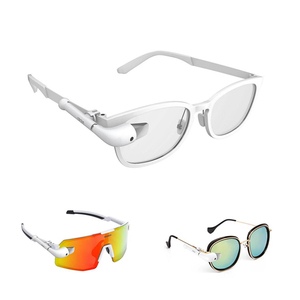
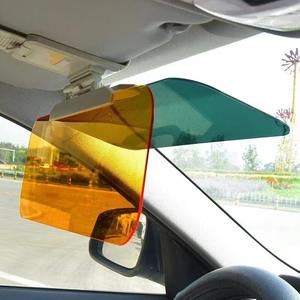

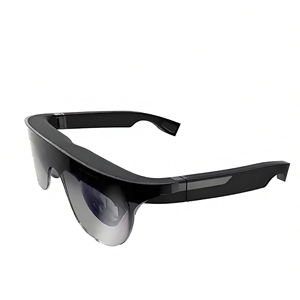
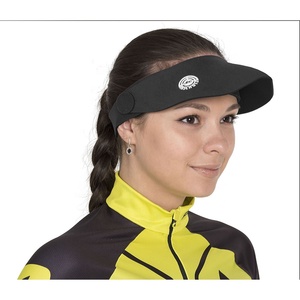
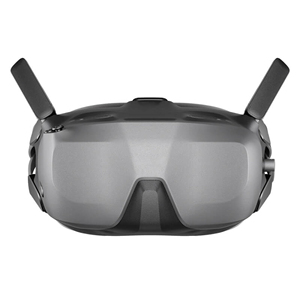
Enterprise Supply Chain Capabilities & OEM Expertise
As the global market for spatial computing expands across defense, field maintenance, surgical healthcare, and logistics, international procurement officers require more than generic assembly partners. China's smart glasses manufacturing ecosystem—centered in technological hubs like Shenzhen, Dongguan, and Suzhou—has evolved into a sophisticated end-to-end industrial value chain capable of handling ultra-precise optical engineering, micro-display integration, and custom firmware optimization.
Our strategic manufacturing architecture unites hardware engineering excellence with enterprise software integration. By bridging the gap between raw optical components and turn-key augmented reality systems, we empower OEMs, system integrators, and enterprise buyers to deploy scalable smart eyewear hardware backed by stringent international quality standards.
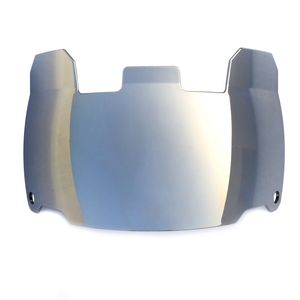
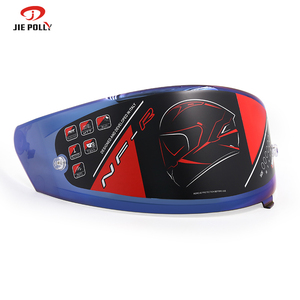
Unlike off-the-shelf consumer gadgets, industrial smart glasses require specialized structural materials. From impact-resistant carbon fiber helmet visors meeting 3C and DOT requirements to flexible TR90 transparent nylon temple arms engineered for thermal stability and high fatigue resistance, our raw material sourcing guarantees field-proven durability in high-stress operational environments.
Future Purchasing & Sourcing Trends in Smart Glasses (2025–2030)
Strategic B2B procurement of augmented reality and smart eyewear is undergoing a fundamental shift. Sourcing managers are moving away from monolithic single-vendor hardware lock-ins towards modular, multi-source hardware ecosystems. Analyzing current market data reveals four major trends shaping global export contracts:
1. Micro-OLED and Micro-LED Optoelectronic Dominance
Legacy liquid crystal on silicon (LCoS) and traditional display panels are rapidly being phased out in favor of micro-display engines. The integration of 0.32-inch Micro-OLED displays producing luminance up to 1,200 Nits allows operators to maintain clear HUD (Heads-Up Display) visibility even under direct sunlight. Higher pixel density (PPI > 3000) reduces the "screen-door effect," enabling fatigue-free use during 8-hour shift operations.
2. Modular Component Sourcing vs. Turnkey Systems
Global original equipment manufacturers (OEMs) increasingly source modular subsystems. Procurement requests now separate optical engines, structural frames (such as specialized nylon arms or carbon fiber visors), and sensory stacks (IMUs, thermal cameras, SLAM sensors). This modularity allows defense agencies and industrial buyers to customize spatial hardware for specific environments without redesigning the entire device platform.
3. Low-Latency Wireless & FPV Integration
With the integration of 5G private networks and low-latency flight transmission units (such as O4 Air Unit compatibility), smart glasses are transitioning into real-time operational monitors. First responders, drone operators, and field engineers demand ultra-low latency (<20ms) glass-to-glass video feeds to execute split-second decisions safely.
| Technology Vector | Legacy AR / Smart Eyewear | Next-Gen Chinese OEM Standard | Enterprise ROI Impact |
|---|---|---|---|
| Display Engine | TFT LCD / Low-Nit LCoS | 0.32" Micro-OLED (1200+ Nits) | Full sunlight readability; zero eye strain |
| Optical Architecture | Heavy Refractive Prisms | Diffractive Waveguide / Thin Birdbath | 50% weight reduction; ergonomic balance |
| Frame Materials | Standard Polycarbonate Plastics | Impact Carbon Fiber & TR90 Nylon | MIL-STD drop resistance; high durability |
| Connectivity & Video | Wi-Fi 5 / Standard Bluetooth | Private 5G / O4 Low-Latency Air Unit | Real-time remote expert inspection (<20ms) |
| Software Ecosystem | Proprietary Closed OS | Android Open SDK / MDM Compatible | Seamless API pairing with SAP, Oracle, MES |
Technology & Market Development Trends
The global smart eyewear market is experiencing an unprecedented compound annual growth rate (CAGR), driven by advancements in spatial computing, AI telepresence, and industrial automation. As Chinese suppliers refine their precision optics and high-yield manufacturing capabilities, several tech developments are establishing new benchmarks:
Spatial Computing & Hands-Free Interaction
Integrating 6-DoF (Degrees of Freedom) SLAM (Simultaneous Localization and Mapping) tracking directly into lightweight smart frames allows users to anchor digital twins, step-by-step SOP guides, and maintenance blueprints to physical assets. Voice recognition paired with gesture tracking eliminates the need for handheld controllers, keeping technicians' hands 100% focused on manual repairs.
Tactical & Extreme Environment Ruggedization
From tactical military deployment to high-heat manufacturing plants, AR hardware must endure harsh conditions. Modern suppliers integrate certified carbon fiber full-face visors, anti-fog hydrophobic coatings, and modular sealed facepieces. Devices like the MIDAS display mask allow operators in zero-visibility environments (smoke, chemical hazards, night missions) to maintain real-time telemetry overlays directly within their protective headgear.
AI-Driven Telepresence & Edge Processing
Edge-AI capabilities embedded directly into smart glasses enable real-time spatial analytics, OCR text recognition, live translation, and automated fault identification. Field engineers wearing Micro-OLED AR glasses can scan complex machinery while live AI algorithms highlight worn parts, display torque specs, and route low-bandwidth video feeds back to central command centers.
Frequently Asked Questions (FAQ) for B2B Sourcing
Accelerate Your Smart Eyewear Sourcing Today
Whether you require turnkey AR smart glasses, specialized optical nylon components, carbon fiber visors, or complete OEM/ODM manufacturing services, our engineering team is ready to deliver tailored B2B solutions.
Send an Inquiry