
Featured OEM/ODM Product Lineup
Certified MedTech & Precision Optics Assemblies Engineered for Global Defense, Surgical Telepresence, and Smart Industrial Operations
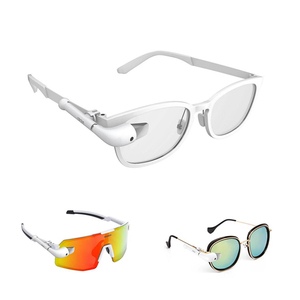
Ultralight Smart AR Display Mask Glasses
Integrated 0.32-inch Micro OLED engine delivering 1200 Nits brightness and 624x405 resolution for real-time surgical navigation and field translation.
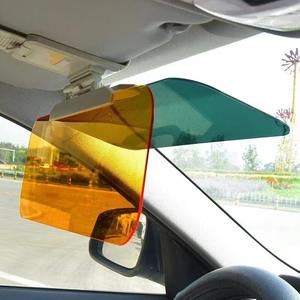
Day & Night Anti-Glare Safety Visor System
Multi-layer coated optical lens with high-grade UV filtration and high-contrast night vision enhancement for medical transit and emergency vehicles.

Impact-Resistant Carbon Fiber Tactical Visor
Ultra-lightweight aerospace carbon fiber composite housing engineered for extreme ballistic shock resistance and integrated bio-seal compatibility.
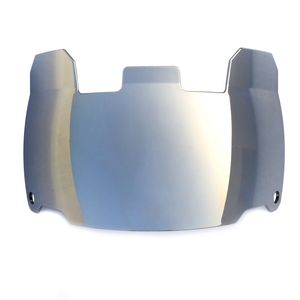
Universal Anti-Fog Medical & Sport Eye Shield
Patented dual-side hydrophilic coating preventing condensation and fogging in zero-visibility operating suites and high-humidity environments.
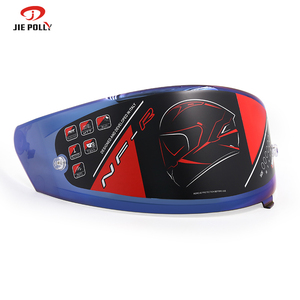
Quick-Release Magnetic Tactical Goggles
Modular N52 neodymium magnetic frame integration allowing rapid swaps between clear, polarization, and IR-filtering optical shields in seconds.
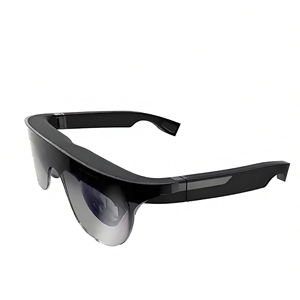
Biocompatible Nylon Arms for Smart Glasses
Medical-grade transparent polyamide material featuring high flexural fatigue resistance, hypoallergenic skin contact, and structural antenna housing.
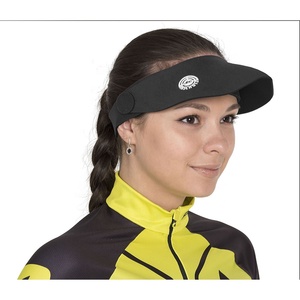
Modular Headband & Detachable Visor Unit
Ergonomic dual-component assembly with washable neoprene cushioning, designed for continuous hands-free monitoring and comfortable long shifts.
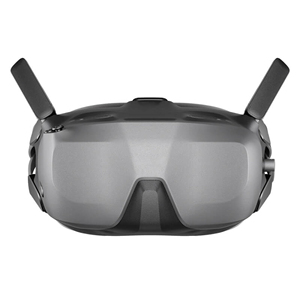
Premium Wide-Vision 1080p FPV AR Headset
Immersive HD spatial visualizer supporting real-time video telemetry, AR cursor interaction, and low-latency digital twin streaming for remote assistance.
China MedTech Contract Manufacturing Leadership
Why Tier-1 Global Medical OEM Buyers Partner with Advanced Optics & Smart Wearable Production Facilities
As the global healthcare landscape rapidly integrates extended reality (XR), artificial intelligence (AI), and real-time biometric telemetry, procurement executives and OEM brand managers require manufacturing partners that bridge the gap between advanced optical engineering and strict medical regulatory compliance. China's top MedTech solutions manufacturers have evolved from high-volume assembly lines into comprehensive research-and-production hubs capable of handling end-to-end device realization.
Our facility operates at the intersection of precision micro-display optics, biocompatible polymer injection, and cloud-connected spatial software. By integrating class-10,000 cleanroom manufacturing with rigorous ISO 13485 quality systems, we provide overseas buyers with turnkey solutions for smart surgical visors, tactical AR displays, and protective healthcare equipment.
Cleanroom Optical Alignment
Sub-micron optical waveguide alignment and micro-OLED panel bonding inside ISO Class 7 cleanrooms to ensure pristine visual transparency and zero sub-surface contamination.
Full Regulatory Alignment
Full documentation suites for FDA Class II compliance, CE MDR registration, ITAR-aware handling protocols, and ISO 9001/13485 certified quality management systems.
Rapid Prototype to Mass Volume
Accelerated NPI (New Product Introduction) cycles supported by high-speed CNC machining, custom optical tool steel tooling, and automated SMT assembly lines.
Technical Specifications & Manufacturing Capability Matrix
Direct Comparison of Core Optical Components and Material Engineering Standards
| Specification Metric | Micro OLED AR Visor Platform | Surgical Protective Shield | Tactical Carbon Fiber Helmet |
|---|---|---|---|
| Core Optical System | 0.32" Micro OLED Waveguide Display | High-Clarity Anti-Reflective PC | Multi-Layer Ballistic Visor |
| Display Resolution & FOV | 624x405 HD | 20° FOV | 1200 Nits | N/A (Optical Transparency > 94%) | Heads-Up HUD Compatible |
| Primary Material Standard | TR90 Bio-Nylon / Molded Polycarbonate | Medical-Grade Hydrophilic Acrylic | 3K Aerospace Carbon Fiber Composite |
| Environmental Protection | IP66 Dust & Water Resistant | Anti-Fog / Anti-Scratch Hydrophobic | DOT, 3C & Ballistic Impact Standard |
| Software & OS Support | Android-based Open SDK / SXR Secure Architecture | Passive Medical Barrier | Tactical Telemetry Stream Compatible |
| Regulatory Compliance | CE, FCC, RoHS, ISO 13485 Aligned | FDA Device Class I/II Ready | DOT / MIL-STD-810G Validated |
Strategic Procurement Trends in Global MedTech & AR Hardware
Key Insights for Medical Device OEMs, Hospital Network Buyers, and Defense Program Directors
1. Convergence of Spatial Computing & DICOM Data
Procurement strategies are shifting away from standalone monitors toward heads-up spatial displays. Modern operating suites require hands-free visualizers that overlay real-time patient vitals, CT/MRI digital twins, and surgical navigation directly into the surgeon's line of sight without breaking sterile fields.
2. Disconnected & Air-Gapped Secure Architecture
As smart wearables connect to hospital networks and tactical battlefields, cybersecurity has become a chief procurement criterion. Future contract manufacturing specifies hardware-level encryption (SXR protocols), secure boot validation, and full capability to operate in zero-cloud, GPS-denied, or air-gapped network environments.
3. Bio-Compatible Smart Polymers & Ergonomics
Weight reduction is paramount for long surgical operations and extended field missions. Leading OEM factories are replacing traditional aluminum or heavy acrylic frames with advanced biocompatible transparent nylon polymers (such as TR90 variants), achieving lightweight profiles under 120 grams while maintaining flexural fatigue endurance.
Furthermore, global MedTech procurement managers are consolidating their supply chains. Rather than sourcing optical elements, structural plastics, and embedded PCBs from disparate vendors, the industry standard is moving toward single-source contract manufacturers equipped with complete optical-electronic assembly capabilities. This consolidation reduces NPI lead times by up to 40% and eliminates component mismatch risks during final sterile packaging.
Technology Development Vectors
How Next-Generation Display Engineering is Redefining Medical Telepresence and Industrial Safety
Ultra-High Brightness Micro OLEDs
Next-generation optical engines utilize silicon-backplane Micro OLED panels capable of exceeding 1,200 to 3,000 Nits optical output. This enables crystal-clear data overlays under high-intensity operating room surgical lights and direct sunlight outdoor triage scenes.
On-Device AI Edge Processing
Smart visors are integrating localized neural processing units (NPUs). This allows real-time computer vision, automatic instrument recognition, optical character recognition (OCR) of vital monitors, and instantaneous language translation without reliant cloud latency.
Modular & Hot-Swappable Architectures
Field-serviceable modular designs—such as quick-release magnetic visor lenses and hot-swappable battery headbands—ensure continuous multi-shift operation in emergency transport and high-throughput manufacturing plants.
Frequently Asked Procurement Questions (FAQ)
Essential Answers for Global Buyers, Technical OEM Partners, and Supply Chain Specialists
What core certifications do your MedTech manufacturing facilities maintain?
Our manufacturing sites adhere strictly to international quality standards, including ISO 13485 (Medical Devices Quality Management Systems), ISO 9001, and CE MDR compliance. Depending on product classification, devices are engineered to satisfy FDA Class I/II regulatory frameworks, FCC Part 15, and RoHS/REACH environmental safety regulations.
Can your factory customize optical display specs for specialized surgical or industrial applications?
Yes. As a full-service OEM/ODM manufacturer, we offer custom optical engine integration including custom Field-of-View (FOV) tuning, waveguide transparency calibration, resolution adjustments (from 624x405 up to 1080p FHD per eye), and bespoke lens frame ergonomics suited to medical headgear or military helmets.
How do you ensure data security and privacy compliance in smart AR smart glasses?
Our hardware platforms support Secure Extended Reality (SXR) architectures. We offer hardware-level cryptographic key storage, encrypted firmware bootloaders, enterprise MDM fleet management compatibility, and completely off-grid operation modes to prevent unauthorized data exfiltration in compliance with HIPAA and GDPR guidelines.
What is the typical lead time for custom OEM prototyping and full-scale mass production?
Standard prototype evaluation units ship within 5 to 7 business days. Custom tooling and NPI development (including industrial mold creation, optical waveguide calibration, and custom firmware adaptation) typically require 4 to 8 weeks. Once validated, mass production lead times range between 3 to 5 weeks based on order volume.
What materials are utilized to ensure long-term wearability and sterilizability in clinical environments?
We utilize medical-grade biocompatible polymers such as TR90 bio-nylon, optical polycarbonate, and aerospace 3K carbon fiber composites. These materials resist chemical degradation from common medical disinfectants (isopropyl alcohol, hydrogen peroxide wipes) while providing lightweight comfort for extended shifts.
Partner with China's Premier MedTech & AR Manufacturing Leader
Accelerate your product roadmap with validated optical engineering, ISO 13485 cleanroom assembly, and scalable global OEM production lines.