
Featured Product Series & Contract Manufacturing Catalog
Explore our certified OEM/ODM industrial eyewear engineered to exceed ANSI Z87.1, EN166, and CE standards across heavy manufacturing, chemical processing, laser machining, and medical cleanroom environments.
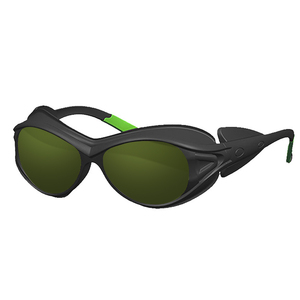
CE Certified Laser Safety Goggles (750-2000nm)
- Wavelength Attenuation: 750-2000nm OD 6+
- Applications: Fiber Laser Cutting, Industrial Welding
- Frame: Impact-Resistant PC / Ergonomic Plastic
- Certification: CE / EN207 Compliant
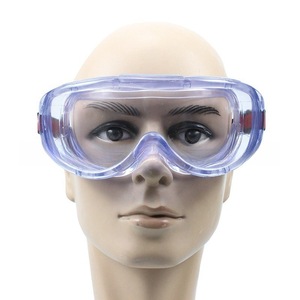
Chemical Lab Anti-Impact Anti-Fog Silicone Goggles
- Seal Type: Medical-Grade Hypoallergenic Silicone
- Coating: Double-Sided Hydrophilic Anti-Fog
- Impact Class: High-Velocity Ballistic Polycarbonate
- Environment: Chemical Labs, Hazardous Dust
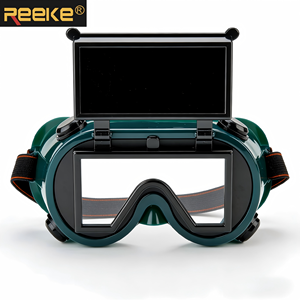
REEKE Full-Frame Sealed PVC Welding Safety Goggles
- Structure: Full-Surround Flexible PVC Gaskets
- Lens: Scratch-Resistant Hard-Coated PC/PVC
- Ventilation: Indirect Anti-Splash Air Vents
- Protection: Heavy Welding Spark & Splash Barrier
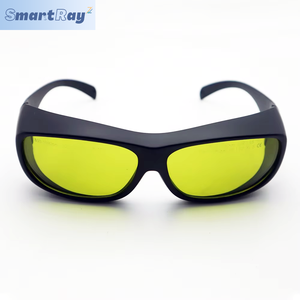
Professional 1064nm Nd:YAG TR90 Laser Glasses
- Protection Band: 1064nm Precision Waveband
- Frame Material: TR90 Memory Polymer (Ultra-Light)
- Design: Wide Field-of-View Over-Glass Fit
- Optical Density: OD 5+ High Protection Level
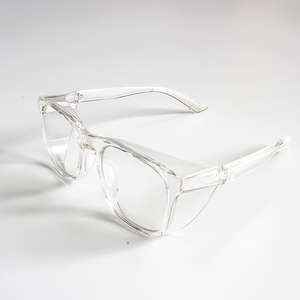
ANSI Z87.1 / EN166 Certified Construction Safety Spectacles
- Impact Standard: ANSI Z87.1 High Mass / Speed
- Lens Optical Grade: Class 1 Clear Distortion-Free PC
- Features: Anti-Scratch & UV400 Absorption
- Ideal For: Construction, Machining, Assembly Lines
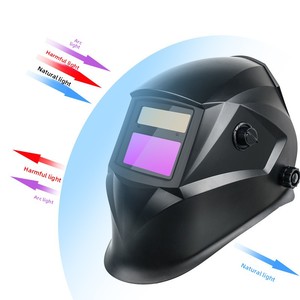
Solar Automatic Millisecond Auto-Darkening Flip-Up Goggles
- Dimming Speed: Millisecond Phototropic Switching
- Power Source: Solar Panel + Integrated Battery
- Structure: Head-Mounted Flip-Up Dual Lens
- Process: Argon Arc & Shielded Electric Welding
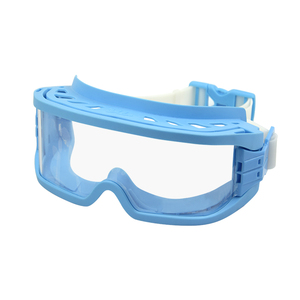
H-9009 Autoclavable Sterilizable Cleanroom Goggles
- Sterilization: 121°C / 134°C Steam Autoclavable
- Body: Medical Silicon & Thermo-Tolerant Lens
- Airflow: Cleanroom Vented Anti-Fog System
- Application: Bio-Pharma, Sterile Labs, Cleanrooms
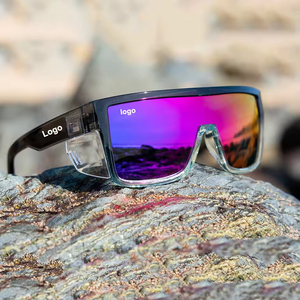
Custom OEM Industrial Designer Safety Sunglasses
- Branding: Custom Logo Printing, Mold Modification
- Rating: ANSI Z87.1 / AS/NZS 1337.1 Dual Rated
- Lens Options: Polarized, Photochromic, Tinted PC
- Usability: Heavy Duty Work & Outdoor Industrial Utility
World-Class OEM Manufacturing Infrastructure
Combining advanced optoelectronic research, precision injection tooling, and ISO-certified cleanroom assembly to provide global procurement teams with unrivaled reliability and speed-to-market.
Enterprise Strengths & Contract Manufacturing Value
We solve complex industrial safety challenges by engineering robust optical solutions from raw polymer selection to finished custom-branded packaging.
Custom Optical Tooling & Rapid Prototyping
Equipped with modern CNC tooling centers and 3D optical simulation software, our engineering team transitions your proprietary frame or lens design from CAD blueprint to physical sample in under 14 working days.
Multi-Standard Compliance Rigor
Every production batch undergoes batch testing in our internal optical physics laboratory. Lenses are validated for ANSI Z87.1 high-mass impact, EN166 optical clarity, EN207 laser density, and MIL-PRF-32432 ballistic resistance.
Advanced Surface Coating Technology
Our cleanroom physical vapor deposition (PVD) and dip-coating lines apply permanent hydrophilic anti-fog layers, high-durability diamond anti-scratch coatings, and selective wavelength absorption dyes with precision thickness uniformity.
Smart AR & Waveguide Integration
Pioneering the next era of industrial PPE, our OEM division integrates optical waveguides and smart HUD components (such as MIDAS AR display structures) directly into protective frames for zero-visibility field operations.
Flexible Private-Label Supply Chains
From low MOQ trial runs for high-spec laser goggles to multi-container annual volume delivery for multinational distributors, we offer tailor-made SKUs, custom silk-screened logos, localized packaging, and global DDP logistics.
Autoclavable Thermal Polymer Engineering
We synthesize customized silicone formulas and high-heat resistant polymers capable of withstanding 50+ repeated steam autoclave cycles at 134°C without lens yellowing, structural warping, or anti-fog degradation.
Engineering Trends in Next-Generation Industrial Eyewear
A comprehensive analysis of optoelectronic advancements, advanced material synthesis, and smart heads-up integration shaping modern industrial safety gear.
1. Wavelength-Selective Laser Photronic Protection (750-2000nm & 1064nm Spectrum)
Industrial laser adoption across additive manufacturing, automated fiber laser cutting, and precision micro-welding has elevated laser eye protection from a niche safety requirement to a critical operational priority. Modern optical manufacturing requires deep chemical synthesis of organic and inorganic laser-absorbing dyes directly into polycarbonate or TR90 matrices during high-pressure injection molding.
Unlike traditional reflective coatings that degrade when scratched or exposed to off-axis laser incidence, integrated dye absorption guarantees consistent Optical Density (OD 5+ to OD 7+) across the 750-2000nm near-infrared band and 1064nm Nd:YAG wavelengths regardless of light entrance angle. OEM factories are increasingly utilizing dual-spectrum filtering layers that retain high Visible Light Transmittance (VLT > 35%) while maintaining complete ocular absorption against hazardous specular and diffuse reflections.
2. Permanent Hydrophilic Anti-Fog Nano-Coatings & Autoclavable Polymer Engineering
Lens fogging remains the single leading cause of worker compliance failure in high-humidity chemical labs, food processing plants, and cleanrooms. Traditional hydrophobic anti-fog sprays wash off rapidly and fail to survive industrial cleaning protocols. Modern OEM manufacturing utilizes plasma-enhanced chemical vapor deposition (PECVD) to bond hydrophilic cross-linked polymer networks directly onto optical surfaces.
In bio-pharmaceutical environments where equipment must undergo strict steam sterilization, engineers utilize autoclavable high-temperature polycarbonates paired with liquid silicone rubber (LSR) injection molded seals. The H-9009 class of safety goggles demonstrates this trend: withstanding repeated 121°C–134°C autoclave cycles without outgassing, lens delamination, or loss of structural seal integrity.
3. Millisecond Phototropic Switching & Automatic Darkening Welding Optics
Heavy fabrication, argon arc welding, and metal active gas (MAG) operations require instant transition between optical clarity (for setup and inspection) and dark shading (for arc ignition protection). The latest solar-powered, head-mounted auto-darkening glasses incorporate high-contrast liquid crystal displays (LCD) tied to millisecond photoelectric sensor arrays.
Upon sensing high-intensity UV/IR welding arcs, the internal polarizers switch from Shade 3 clear mode to Shade 11–13 protection in less than 0.1 milliseconds. Driven by integrated mini-solar cells and backup lithium micro-cells, these lightweight, flip-up systems eliminate neck strain caused by heavy traditional welding helmets while maintaining full ANSI Z87.1 high-velocity impact shielding.
4. Convergence of Industrial PPE and Augmented Reality (AR Smart Optics)
The industrial workspace is rapidly digitizing. Enterprise OEMs are moving beyond passive eye protection toward active smart eyewear systems. By embedding monocular optical waveguides, micro-OLED micro-displays, and SLAM spatial computing modules into ruggedized safety frame chassis, operators gain hands-free access to live telemetry, step-by-step SOP guides, and remote expert assistance.
Integrating AR waveguides into protective masks (such as the MIDAS AR Display architecture) requires stringent optical alignment standards. Standard safety lenses must preserve zero optical power (0.00 diopter deviation) to prevent user eye fatigue, while display masks must resist ambient vibration, extreme temperatures (-20°C to +60°C), and harsh impact forces without misaligning internal optical lightguides.
Global Procurement Trends in B2B Safety Eyewear
How global procurement directors, OEM brand managers, and safety compliance officers are restructuring supply chains for resiliency, compliance, and custom customization.
| Material / Technology Class | Primary Industrial Application | Key Compliance Standards | OEM Customization Possibilities |
|---|---|---|---|
| Optical-Grade Polycarbonate (PC) | General Mechanical Machining, Construction | ANSI Z87.1, EN166 F, CSA Z94.3 | Anti-scratch coating, tinted UV filters, custom frame colors |
| Laser Dye Absorptive PC | Fiber Laser Cutting, Medical Lasers, Welding | CE EN207, ANSI Z136.1, OD 5+ / OD 6+ | Specific waveband filtering (750-2000nm, 1064nm), VLT tuning |
| Liquid Silicone Rubber (LSR) + PC | Chemical Laboratories, Bio-Pharma Cleanrooms | ISO 17665, EN166 3, Autoclavable Grade | Sterilizable frame compounds, indirect venting configuration |
| TR90 Shape-Memory Polymer | Professional Ergonomic Workwear, Tactical Optics | ANSI Z87.1+, MIL-PRF-32432 Ballistic | Ultra-light frame tooling, Rx prescription insert adapters |
| Solar LCD Phototropic Module | Argon Arc & Industrial Electric Arc Welding | ANSI Z87.1, EN379 Photoelectric Standard | Flip-up mechanical housing, custom optical sensor sensitivity |
Shift Toward Supply Chain Resilience and Nearshore OEM Manufacturing
Recent global supply chain disruptions have driven B2B enterprise buyers to migrate from off-the-shelf spot purchasing to long-term OEM/ODM framework agreements with audited manufacturing factories. Modern procurement strategies prioritize factories that offer comprehensive traceability of raw optical-grade resins (such as Sabic Lexan or Bayer Makrolon), automated robotic mold handling, and multi-country logistics hubs.
Furthermore, ESG (Environmental, Social, and Governance) mandates are influencing resin selection. Progressive industrial buyers are demanding closed-loop recycled polycarbonates for frame construction, bio-based thermoplastics, and zero-waste injection molding processes that lower overall scope 3 carbon emissions without compromising ballistic structural strength.
Frequently Asked Questions for Custom OEM Orders
Direct answers to common technical, compliance, and manufacturing queries submitted by enterprise sourcing teams.
What is the minimum order quantity (MOQ) for custom OEM industrial safety glasses?
How do your laser safety goggles ensure precise Optical Density (OD) compliance?
What international safety and optical certifications do your products carry?
Can your factory integrate smart AR hardware or optical waveguides into custom frames?
How do autoclavable goggles (like model H-9009) withstand repeated steam sterilization?
What is the typical lead time from prototype tooling to full-scale mass production?
Accelerate Your Industrial Eyewear Product Line
Request a custom OEM quote, full engineering specification sheet, or physical product samples directly from our factory engineering team today.