
Featured Spatial Computing & Optical Hardware
Explore our wholesale catalog of high-precision AR smart glasses, tactical optical visors, and extended reality components engineered for global enterprise procurement.
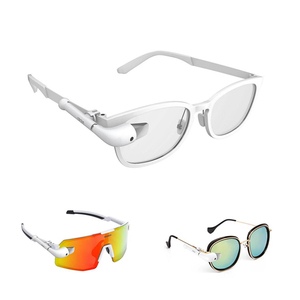
Ultralight Smart AR Glasses W/ 0.32inch Micro OLED Display 624x405 Resolution 1200 Nits 20° FOV Real Time Translation Navigation
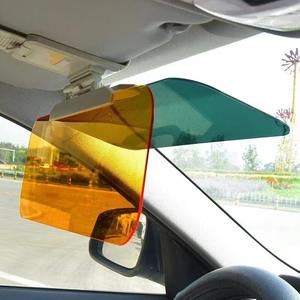
Day & Night Anti-Glare Car Sunshade UV Ray Driver Safety Night Vision Goggles for Safe Driving Car Sun Visor Extender Anti Glare

Factory Direct, Impact-Resistant Carbon Fiber Full Face Helmet - Visor, 3C&DOT
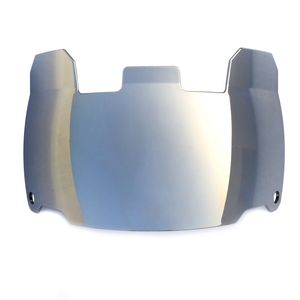
New Patent Universal Anti-fog Football Helmet Visor clear Eye Shield Visor
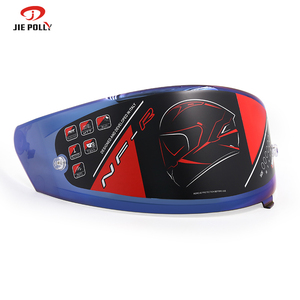
Brand Outdoor Sport Mx Helmet Goggles Motorcycle Sunglasses Visor Magnetic Lens Anti-Fog Motocross Riding Retro Helmet Visor
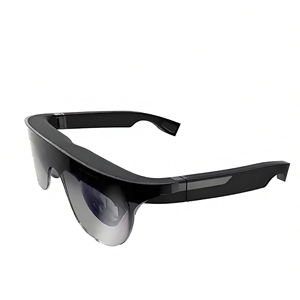
Specialised material for transparent nylon temple arms in AR glasses
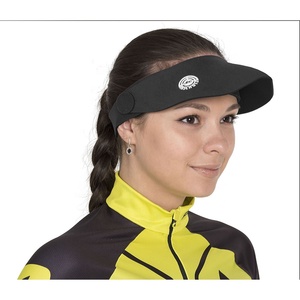
Two-part Visor Consisting of a Head-band and Detachable Visor Neoprene Sun Cap Shooting Visor
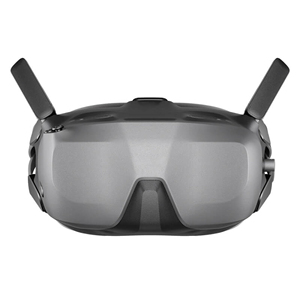
Premium Goggles N3 Wide Vision FPV Glasses 1080p Screen O4 Air Unit Pro Compatible AR Cursor Interaction Immersive Flight Gear
Why Tier-1 Global Buyers Partner With China's Leading Spatial Compute OEM/ODM Ecosystem
Vertical integration across optical engine fabrication, SXR zero-trust OS architecture, and precision mechanical tooling under one accountable manufacturing standard.
Secure Extended Reality (SXR) Architecture
Designed specifically for defense, federal, and high-security enterprise environments requiring strict air-gap compliance and zero data leakage protocols.
- On-device secure boot and chip-level cryptographic signing
- GPS-denied ambient localization & offline spatial mapping
- End-to-end AES-256 encrypted telepresence streams
- Fully compliant with classified enterprise IT standards
Micro-OLED & Optical Waveguide Integration
Our ISO-certified cleanrooms engineer ultra-compact optical engines with industry-leading luminance and crystal-clear visual transparency.
- 0.32" to 0.71" Micro-OLED displays up to 1200+ Nits peak brightness
- Diffractive & holographic waveguides tailored to enterprise FOV specs
- Nanometer-flat optical coatings preventing UV flare and glare
- Prescription-compatible lens frame inserts for ergonomic fit
MIDAS Modular Mask & Headset Customization
Engineered to integrate spatial computing directly into protective masks, tactical helmets, and specialized industrial headgear without compromising safety seals.
- Modular Integrated Display Augmentation System (MIDAS) integration
- Hot-swappable battery pods for continuous 24/7 industrial shift work
- High-yield polymer injection molding (Transparent Nylon Arms)
- Full OEM/ODM firmware branding & Android AR SDK customization
2025–2030 Spatial Computing Wholesale & Supply Chain Trends
An authoritative analysis for procurement officers, system integrators, and institutional hardware buyers.
1. Transition From Consumer Entertainment to High-Yield B2B Spatial Workflows
The global market for spatial computing hardware has undergone a massive structural transition. Where early market cycles were dominated by bulky consumer virtual reality (VR) headsets focused on gaming, global B2B procurement strategies now heavily prioritize lightweight Augmented Reality (AR) and Mixed Reality (MR) smart glasses. Modern enterprise buyers require hands-free visual augmentation capable of driving direct ROI across field service, medical telemetry, defense operations, and discrete manufacturing.
Suppliers in China's high-tech manufacturing hubs (Shenzhen, Dongguan, and Suzhou) have capitalized on this paradigm shift by consolidating the optical sub-assembly tier. By placing micro-OLED micro-displays, diffractive waveguides, high-durability transparent nylon temple arms, and multi-sensor spatial tracking modules under centralized OEM quality management, Chinese exporters now deliver military- and enterprise-grade smart glasses at unit costs that make fleet-wide enterprise deployment commercially viable.
2. Optical Engine Diversification: Micro-OLED vs. Micro-LED and Waveguide Efficiency
A critical decision matrix for wholesale spatial computing sourcing revolves around the optical engine configuration. Contemporary enterprise buyers evaluate three major optical architectural archetypes:
A. Micro-OLED with Birdbath Optics: Known for superior color saturation, contrast ratios exceeding 100,000:1, and high pixel density (PPI > 3,000). Ideal for immersive video flight gear, FPV drone piloting (such as the N3 Wide Vision series), and medical diagnostic overlays where chromatic fidelity is paramount.
B. Micro-OLED with Waveguide Optics: Combining ultra-small display panels (0.32-inch) with monocular or binocular planar waveguides. This architecture yields ultra-lightweight profiles (under 75 grams) while maintaining outdoor readability through high brightness outputs exceeding 1,200 Nits. This configuration dominates hands-free translation, heads-up navigation, and field technician workflow applications.
C. Specialized Protective Visor Integration: Integrating optical displays directly into safety equipment—such as football helmet clear eye shields, DOT/3C certified carbon fiber full-face motorcycle helmets, and industrial gas masks (MIDAS platform). China's specialized suppliers lead the export market in combining impact-resistant polycarbonate/carbon fiber shells with anti-fog, anti-UV, and electrochromic anti-glare coatings.
3. Supply Chain Security, ITAR Compliance & Regional Hub Logistics
As spatial computing hardware becomes deeply embedded into critical infrastructure and national defense programs, international procurement teams demand robust hardware-level security and localized after-sales support. Premium Chinese exporters work under strict ISO 9001 aligned Quality Management Systems and maintain technical compatibility with ITAR-aware and GDPR-compliant secure software frameworks (such as SXR).
Furthermore, top suppliers have established strategic fulfillment hubs across North America, Europe, and South America—enabling rapid RMA turnaround times, local spare-parts logistics for high-wear components (such as magnetic lenses, detachable neoprene visors, and nylon temple arms), and custom firmware staging before global dispatch.
Future Technological Trends in Spatial Computing Hardware
Key innovation trajectories shaping the next generation of wholesale AR/MR optical equipment.
On-Device Spatial AI Processing
Transitioning from tethered compute packs to standalone neural processing units (NPUs) built directly into smart glasses frames. On-board computer vision models handle object recognition, gesture tracking, and real-time OCR translation without latency or cloud connectivity.
6DOF SLAM Trackers & Ambient Mapping
Simultaneous Localization and Mapping (SLAM) sensors are shrinking dramatically. Future hardware integrates micro-cameras and infrared time-of-flight (ToF) sensors capable of sub-millimeter anchor stability in dynamic zero-light industrial environments.
Electrochromic Optical Dimming
Dynamic optical transmission control allows lenses to seamlessly shift from 85% visual transparency indoors to 98% tinting in blinding sunlight. This eliminates the need for clip-on dark visors during field utility inspections and open-air tactical operations.
Frequently Asked Questions (FAQ) for Bulk Buyers & Integrators
Addressing essential technical, contractual, and logistical queries regarding enterprise spatial computing sourcing.
What is the Minimum Order Quantity (MOQ) for wholesale & custom OEM AR smart glasses?
Can ThirdEye-compatible hardware and SXR software operate in disconnected/offline networks?
How do you ensure optical clarity and anti-fog compliance on helmet visors and tactical goggles?
Are open Android SDKs and custom application development support available for enterprise buyers?
What certifications do your spatial computing and safety helmet exports hold for Western markets?
What are the typical lead times for bulk international air and sea shipments?
Accelerate Your Spatial Computing Procurement Today
Connect with our senior optical engineering and wholesale export team to request direct factory quotes, technical datasheets, or custom OEM prototyping.