
Precision Medical & Specialized Headset Catalog
Direct factory-engineered optical solutions, smart AR eyewear, surgical visors, and protective headgear built for rigorous clinical, industrial, and high-performance applications.
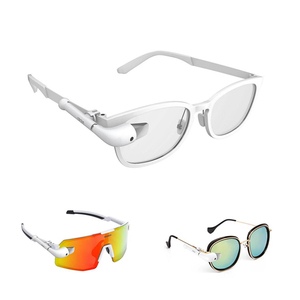
Ultralight Smart AR Glasses W/ 0.32inch Micro OLED Display
- Display: 0.32" Micro-OLED (624x405)
- Brightness: 1200 Nits / 20° FOV
- Features: Real-time Navigation & Translation
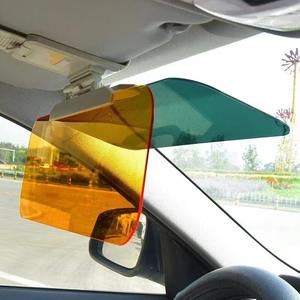
Day & Night Anti-Glare Car Sunshade Driver Safety Visor Goggles
- Optics: UV Ray Protection & Anti-Glare
- Visibility: Dual Night Vision Enhancement
- Application: Ergonomic Visor Extender

Factory Direct Impact-Resistant Carbon Fiber Full Face Helmet
- Material: 3K Carbon Fiber Shell
- Certification: 3C & DOT Compliant
- Shield: Polycarbonate Anti-Scratch Visor
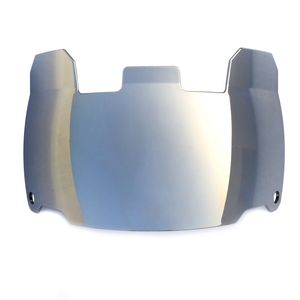
New Patent Universal Anti-Fog Football Helmet Clear Eye Shield
- Coating: Permanent Anti-Fog & Scratch Resistant
- Clarity: High-Impact Optical Grade PC
- Fit: Universal Fastener System
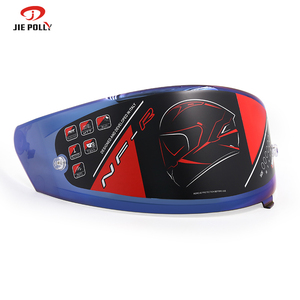
Outdoor Sport Mx Helmet Goggles Magnetic Lens Retro Visor
- Mechanism: Quick-Release Magnetic Lock
- UV Level: UV400 Protection
- Airflow: Anti-Fog Breathable Channels
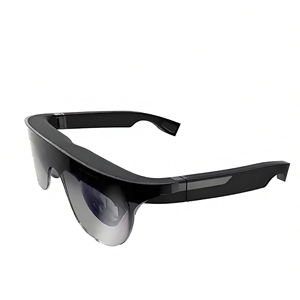
Specialised Material Transparent Nylon Temple Arms for AR Glasses
- Material: Medical-Grade High-Translucency Nylon
- Flexibility: High Fatigue & Impact Resistance
- Customization: Precision Injection Molded
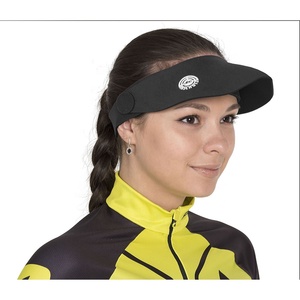
Two-Part Headband Visor Consisting of Detachable Neoprene Cap
- Design: Modular Detachable Visor Shield
- Material: Washable Breathable Neoprene
- Utility: Tactical & Medical Protection
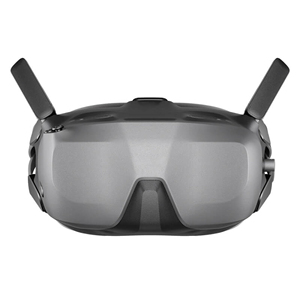
Premium Goggles N3 Wide Vision FPV 1080p AR Interactive Glasses
- Resolution: Dual 1080p HD Micro Displays
- Compatibility: O4 Air Unit Pro Enabled
- Control: AR Cursor Spatial Interaction
China Medical Headset Manufacturing Excellence
Combining state-of-the-art optical encapsulation, cleanroom injection molding, and rigorous bio-compatibility standards to empower global medical device OEMs.
Class 100,000 Cleanroom Optical Assembly
Our optical alignment, waveguide engine bonding, and Micro-OLED integration are performed inside ISO Class 7 dust-free environments to eliminate microscopic inclusions, ensuring flawless surgical field clarity.
Medical Compliance & Regulatory Clearance
We design in complete alignment with FDA Class II regulations, CE MDR (2017/745), and ISO 13485 quality frameworks, providing technical construction files (TCF) and bio-compatibility testing (ISO 10993).
Complete OEM/ODM Customization Stack
From specialized transparent nylon frame components to proprietary anti-fog optical visors and custom spatial computing SDK integration, we provide end-to-end hardware development for global brands.
1. The Paradigm Shift in Medical Headset Architecture & Surgical Augmented Reality
The modern healthcare sector is experiencing an unprecedented convergence of spatial computing, micro-display engineering, and digital surgical navigation. Medical headsets, historically restricted to basic binocular loupes and unassisted LED headlights, have rapidly evolved into fully integrated diagnostic and surgical display interfaces. China's manufacturing ecosystem has transitioned from basic plastic optical injection to leading the global market in micro-light-emitting diode (Micro-OLED) waveguide integration, high-luminance optical engines, and ergonomic polymer engineering.
In surgical environments—ranging from minimally invasive laparoscopy to complex neurosurgical reconstructions—clinicians require real-time overlays of patient vitals, 3D tomographic reconstructions (CT/MRI), and remote specialist video streams. Achieving this without intruding upon the surgeon's natural line of sight or inducing visual fatigue demands extreme technical precision across three core hardware pillars:
- High-Luminance Micro-Displays: Utilizing 0.32-inch Micro-OLED panels capable of outputting upwards of 1200 Nits brightness to maintain high contrast even under high-intensity surgical lamp illumination.
- Biocompatible Ergonomics & Materials: Deploying specialized transparent nylon temple arms and light-weight polymers that withstand aggressive sterilization protocols (chemical wipe-downs, UV-C exposure) while retaining mechanical ductility.
- Low-Latency Zero-Lag Telemetry Transmission: Integrating hardware-accelerated wireless video pipelines (O4 Air Unit Pro compatible architectures) to eliminate perceptual delay between surgical maneuver and optical feedback.
Information Gain Insight: The primary point of failure in legacy medical headsets lies in thermal management and optical distortion over prolonged procedures. Premier Chinese manufacturers now utilize co-molded magnesium-alloy heat sinks coupled with passive air-channeling frames, maintaining display surface temperatures below 37°C without noisy fans that violate sterile field protocols.
2. Technological Evolution: Micro-OLED vs. Waveguide Display Engines
Selecting the optimal display engine architecture is the most critical decision when issuing an OEM contract for medical or enterprise smart headsets. The industry currently utilizes two main optical paths, each serving distinct clinical and operational intents:
| Optical Metric | Micro-OLED Curved Mirror Optics | Diffractive Optical Waveguide |
|---|---|---|
| Luminance Efficiency | High (>1200 Nits direct output) | Moderate (300–600 Nits due to diffraction loss) |
| Form Factor & Transparency | Semi-transparent, thicker optical pod | Ultra-thin, clear glass-like transparency |
| Color Fidelity & Contrast | 100,000:1 Contrast, rich RGB rendering | Moderate contrast, occasional color rainbow artifacts |
| Manufacturing Complexity | Medium (High yield, lower unit cost) | Extremely High (Requires nanometer lithography) |
| Primary Medical Application | Endoscopic display, bedside monitoring, ICU | Interactive 3D surgical navigation, AR instruction |
3. Material Science Innovations in Surgical & Protective Visors
Beyond electronic optical engines, the physical shield chemistry dictates long-term utility in demanding operational environments. Traditional polycarbonate (PC) visors suffer from fogging under surgical masks or extreme environmental transitions. Modern factory standards established by premier Chinese producers utilize a multi-layer vacuum co-deposition process:
- Permanent Hydrophilic Anti-Fog Layer: Unlike spray-on coatings that degrade after standard cleaning cycles, vacuum-bonded hydrophilic resin absorbs condensation micro-droplets on contact, converting them into an invisible, optically clear water sheet.
- Polycarbonate High-Impact Core: Engineered to meet international eye protection benchmarks (ANSI Z87.1, EN166, and military high-velocity impact specifications), preventing fragmentation under accidental impact.
- Anti-Glare & Multi-Band UV Filters: Eliminating glare from overhead operating lights or headlights, preventing optical aberration and protecting the clinician's eyes during prolonged surgical exposure.
4. Strategic Procurement Trends for Overseas Buyers (2025–2030)
As healthcare systems and enterprise enterprises seek to digitize their frontline operations, international B2B procurement strategies are pivoting away from purchasing off-the-shelf consumer smart glasses toward establishing long-term Joint Design Manufacturing (JDM) and OEM/ODM relationships with specialized Chinese factories.
Key Trends Driving Enterprise Sourcing:
A. Demand for Open SDK & Platform-Agnostic Operating Systems: Enterprise software integrators require Android-based AR smart glasses with fully documented APIs. Proprietary, locked-down software ecosystems are being rejected in favor of devices that easily link to existing Electronic Health Records (EHR), PACS medical imaging networks, and Enterprise Asset Management (EAM) platforms.
B. Modular Component Procurement: Sourcing managers are increasingly buying sub-assemblies—such as specialised transparent nylon temple arms, quick-detach visor headbands, or modular battery modules—to assemble proprietary local brand devices while reducing customs tariffs and streamlining regional certification processes.
C. Rigorous Supply Chain Transparency & Ethical Manufacturing: Procurement directors in Europe and North America now mandate ISO 13485 audit trails, full RoHS/REACH chemical compliance declarations, and verified cleanroom environmental reports as prerequisite qualification criteria.
Frequently Asked Questions (FAQ) for B2B Sourcing
Clear, direct responses addressing technical specifications, OEM customization, regulatory compliance, and factory logistics.
Partner with China's Premier Medical Optics Factory
Whether you require rapid prototyping of custom AR surgical glasses, volume supply of certified protective visors, or specialized optical sub-assemblies, our engineering team is ready to deliver.
Contact Us