
Industrial Grade XR Hardware Built for Global Procurement
As a leading OEM/ODM manufacturer and exporter of enterprise Extended Reality (XR), Augmented Reality (AR), and specialized head-worn optics, ThirdEye Gen delivers fully certified systems deployed across defense, industrial maintenance, healthcare, and tactical sectors in 45+ countries.
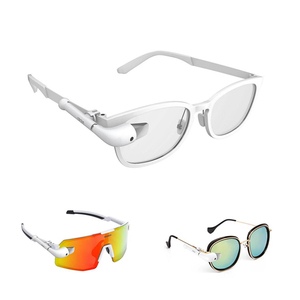
Ultralight Smart AR Glasses W/ 0.32" Micro OLED Display
- Resolution: 624x405 High-Contrast Display
- Luminance: 1200 Nits Brightness
- Field of View: 20° Optical Waveguide
- Real-Time Translation & Navigation
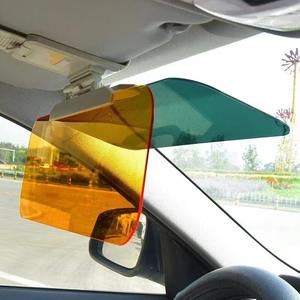
Day & Night Anti-Glare Automotive Safety Visor Goggles
- UV Ray & High-Glare Reduction Filtering
- Night Vision Contrast Enhancement
- Universal Car Sun Visor Extender Frame
- Impact-Resistant Optical Grade Acrylic

Impact-Resistant Carbon Fiber Full Face Industrial Helmet
- High-Tensile Carbon Fiber Shell
- Integrated Polycarbonate Optical Shield
- 3C & DOT Certification Standards
- Thermal & Ballistic Impact Protection
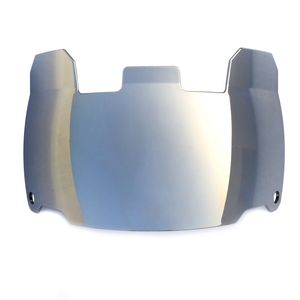
Universal Anti-Fog Tactical & Sports Helmet Eye Shield
- Hydrophobic Anti-Fog Surface Layer
- Zero Optical Distortion Polycarbonate
- Universal Clip-On Mounting Clips
- High-Velocity Impact Shielding
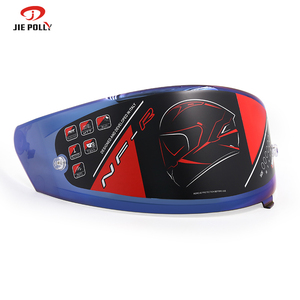
Outdoor Sport MX Goggles & Magnetic Retro Lens System
- Quick-Release Magnetic Lens Interface
- Anti-Scratch & Anti-Fog Optical Coating
- Ergonomic Dual-Density Frame Foam
- Wide-Angle FOV for Extreme Duty
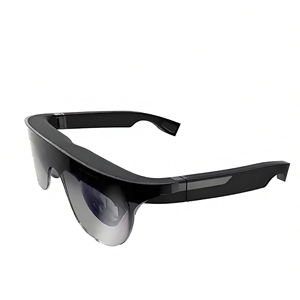
Specialized Transparent Nylon Temple Arms for AR Wearables
- High-Flexural Optical Nylon Material
- Chemical & Sweat-Resistant Polymer
- Precision Embedded Antenna Channel
- Ergonomic Weight-Distribution Curve
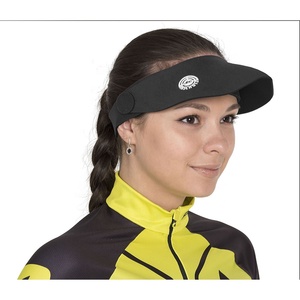
Two-Part Modular Visor System (Headband & Shield)
- Detachable Neoprene Comfort Headband
- UV400 Rated Optical Shielding
- Lightweight Field-Service Architecture
- Rapid Washable & Replaceable Modules
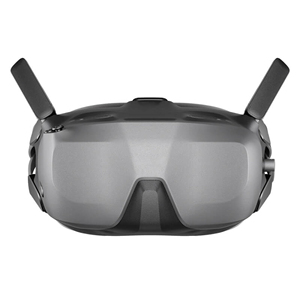
Premium Wide Vision FPV AR Goggles N3 System
- 1080p Micro-Display Dual Engine
- O4 Air Unit Pro Transmission Protocol
- AR Spatial Cursor Interaction Node
- Immersive Low-Latency Telemetry
Why Enterprise Procurement Teams Partner With Us
From custom optical engine integration to regulatory compliance management, our global manufacturing infrastructure delivers certified extended reality systems engineered for scale.
Rigorous CE & International Compliance
Every head-worn display, optical visor, and smart glass unit is engineered in full compliance with European CE standards (EN166, EN170, CE-EMC, RED directives) and international safety norms, ensuring frictionless regulatory clearance across EU and global customs.
Full OEM/ODM & Modular Hardware Tailoring
We provide comprehensive white-labeling, custom enclosure tooling, nylon frame injection, and optical engine modification (Micro OLED, Waveguide, Birdbath). We adapt spatial computing hardware directly to your operational specifications and brand guidelines.
End-to-End Secure Software & Cloud Integration
Equipped with an enterprise Android OS layer, our XR solutions feature an open SDK, encrypted WebRTC telepresence software (RealEye AI), and air-gapped options (SXR suite) designed for classified defense environments, ITAR compliance, and secure enterprise ERP integration.
Future Procurement Trends in Enterprise Extended Reality (2025–2030)
The global enterprise spatial computing market has reached a critical inflection point. Industrial procurement teams are shifting away from exploratory pilot initiatives toward full-fleet commercial integration of augmented reality (AR) and mixed reality (MR) hardware. Over the next half-decade, procurement decisions will be heavily governed by total cost of ownership (TCO), multi-use modularity, compliance certifiability, and hardware-level cybersecurity integrity.
1. Transitioning from Tethered to Standalone Micro-Display Systems
Legacy enterprise setups often relied on tethered smart glasses connected to external computing pucks or smartphones. Future enterprise procurement demands completely standalone smart headsets powered by optimized Micro OLED optical engines. Systems offering high luminance (exceeding 1,200 nits) and wide dynamic contrast ratios enable field operators, aircraft engineers, and logistics specialists to read complex spatial telemetry even under direct sunlight, eliminating visual fatigue and hardware clutter.
Strategic Insight: Enterprise procurement studies show that standalone AR wearables with integrated eye-tracking and spatial cursor interactions increase field service technician productivity by 34% compared to handheld tablet-based digital twins.
2. Mandated Standardized International Certifications
Cross-border supply chain security requires rigorous compliance certification. Importers in the EU, North America, and APAC region no longer accept generic uncertified smart eyewear for industrial work zones. Requirements now stipulate strict CE Mark certification, EN166 personal eye protection compliance, ANSI Z87.1 optical safety, and FCC/RED wireless spectrum approvals. Headsets deployed in hazardous or tactical environments must also feature impact-resistant polycarbonates and lightweight carbon fiber structural elements.
Technology & Manufacturing Innovations in XR Wearables
Manufacturing superior spatial computing equipment requires mastering the intersection of optical science, polymer material engineering, micro-electronics packaging, and ergonomic weight distribution.
Advanced Optical Engines: Waveguide vs. Micro OLED Displays
Modern AR smart glasses rely on advanced optical waveguide components—diffractive and reflective—to bounce light from micro-projectors directly into the human eye while preserving true visual transparency. By incorporating 0.32-inch Micro OLED panels with resolutions reaching 624x405 and beyond, smart glasses achieve remarkable text sharpness, essential for hands-free step-by-step SOP procedures, live schematic rendering, and AI-driven real-time language translation.
Materials Science: Transparent Nylon & Carbon Fiber Composite Integration
Wearability directly governs workplace adoption. Traditional metallic or dense thermoplastic temple arms lead to excessive thermal build-up and physical pressure points over extended shifts. Manufacturing breakthroughs now incorporate specialized transparent optical-grade nylon for temple arms, providing high flexural endurance, sweat resistance, and seamless integration of internal RF antenna arrays. For protective helmet visors and tactical headgear, high-grade 3C & DOT compliant carbon fiber shells provide unmatched strength-to-weight ratios.
Supply Chain Security, ITAR & Air-Gapped Deployment Architectures
For defense, aerospace, and critical infrastructure organizations, data sovereignty and hardware safety are paramount. Enterprise buyers require extended reality ecosystems that safeguard operational intelligence from network vulnerabilities and unauthorized remote interception.
Air-Gapped Operation and Disconnected Environments
Unlike consumer-grade smart wearables that require continuous public cloud connectivity, our Secure Extended Reality (SXR) architecture operates seamlessly in GPS-denied, off-grid, and fully disconnected enterprise networks. On-board SLAM (Simultaneous Localization and Mapping) engines process spatial geometry locally, preventing sensitive site maps and proprietary machinery cad files from leaving the physical perimeter.
End-to-End Encryption and Centralized Fleet MDM
Deployments spanning hundreds of frontline workers require centralized Mobile Device Management (MDM). Procurement leaders benefit from unified control dashboards that allow IT and security administrators to push over-the-air (OTA) firmware updates, manage zero-trust SSO access credentials, and execute remote hardware wipe commands if a headset is compromised in the field.
Frequently Asked Questions for Enterprise Buyers
Key technical, regulatory, and logistics queries addressed for global importers, distributors, and enterprise buyers.
What specific CE certification directives do your enterprise XR products comply with?
Can ThirdEye smart glasses integrate directly into existing SAP, Oracle, or custom MES platforms?
What is the typical Return on Investment (ROI) timeline for enterprise AR field service deployments?
How do you handle OEM/ODM custom branding and private-label manufacturing requests?
Are your XR wearables suitable for high-humidity, outdoor, or hazardous industrial environments?
What is your international supply chain capability and post-sales technical support structure?
Accelerate Your Enterprise XR Procurement Today
Speak with our senior optical engineers and global solution consultants to request product samples, custom OEM quotes, or detailed technical documentation.
Contact Us