
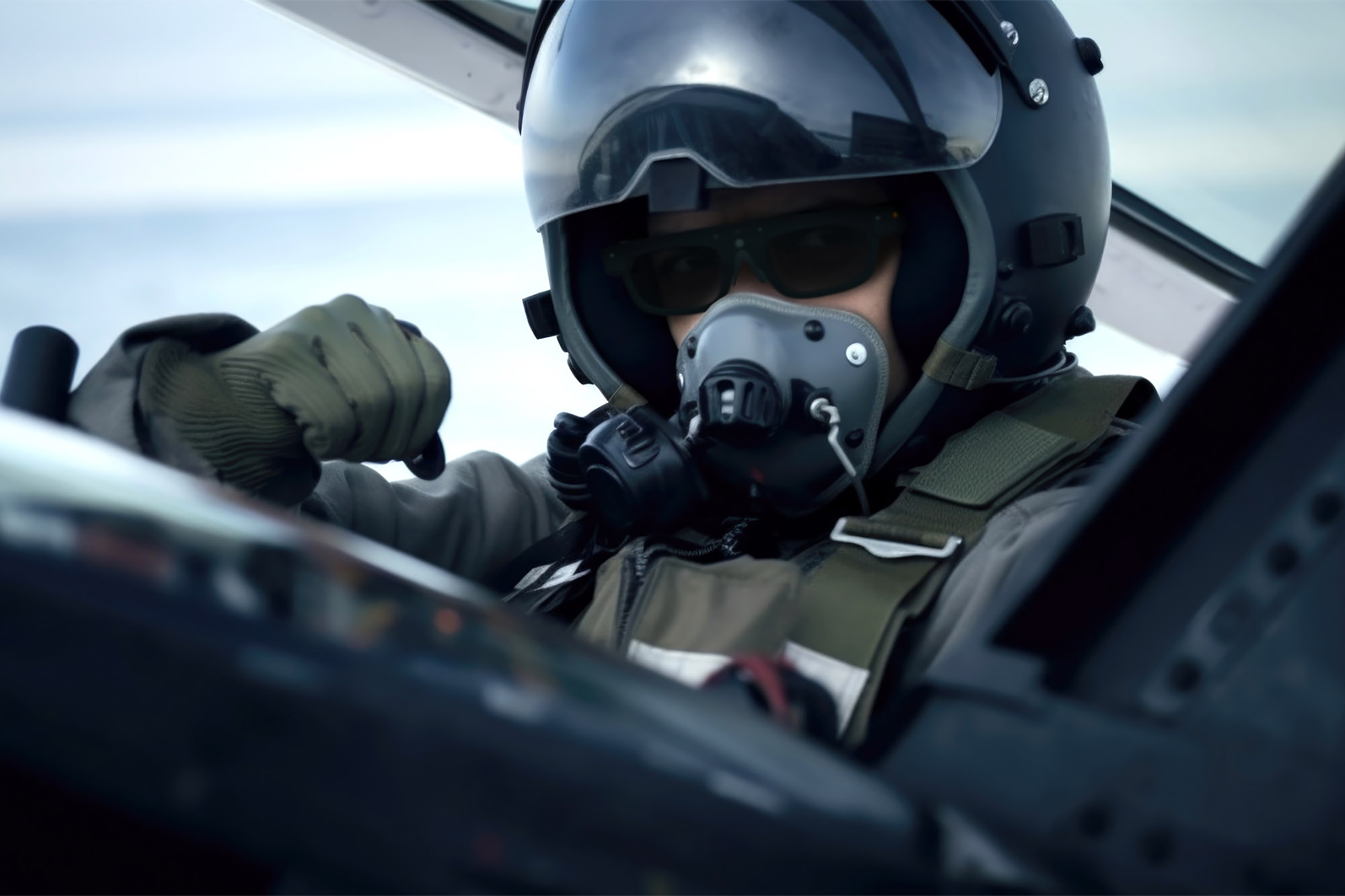
ThirdEye Gen — from real-time field operations to classified environments: secure, validated, intelligent AR workflows.

ThirdEye Gen logo MR / AI Solutions

Industry Knowledge Hub

Augmented Reality & Spatial Computing Insights

Expert articles, technical updates, and enterprise deployment insights from ThirdEye Gen.

AI + AR Software

Enterprise Workflows & AI Intelligence

Connecting experts, digital assets, and field technicians with smart telepresence.

ThirdEye X2 MR smart glasses used in maintenance

Hardware Innovation

Standalone Hands-Free Solutions

Discover how standalone Android smart glasses improve productivity across industrial environments.
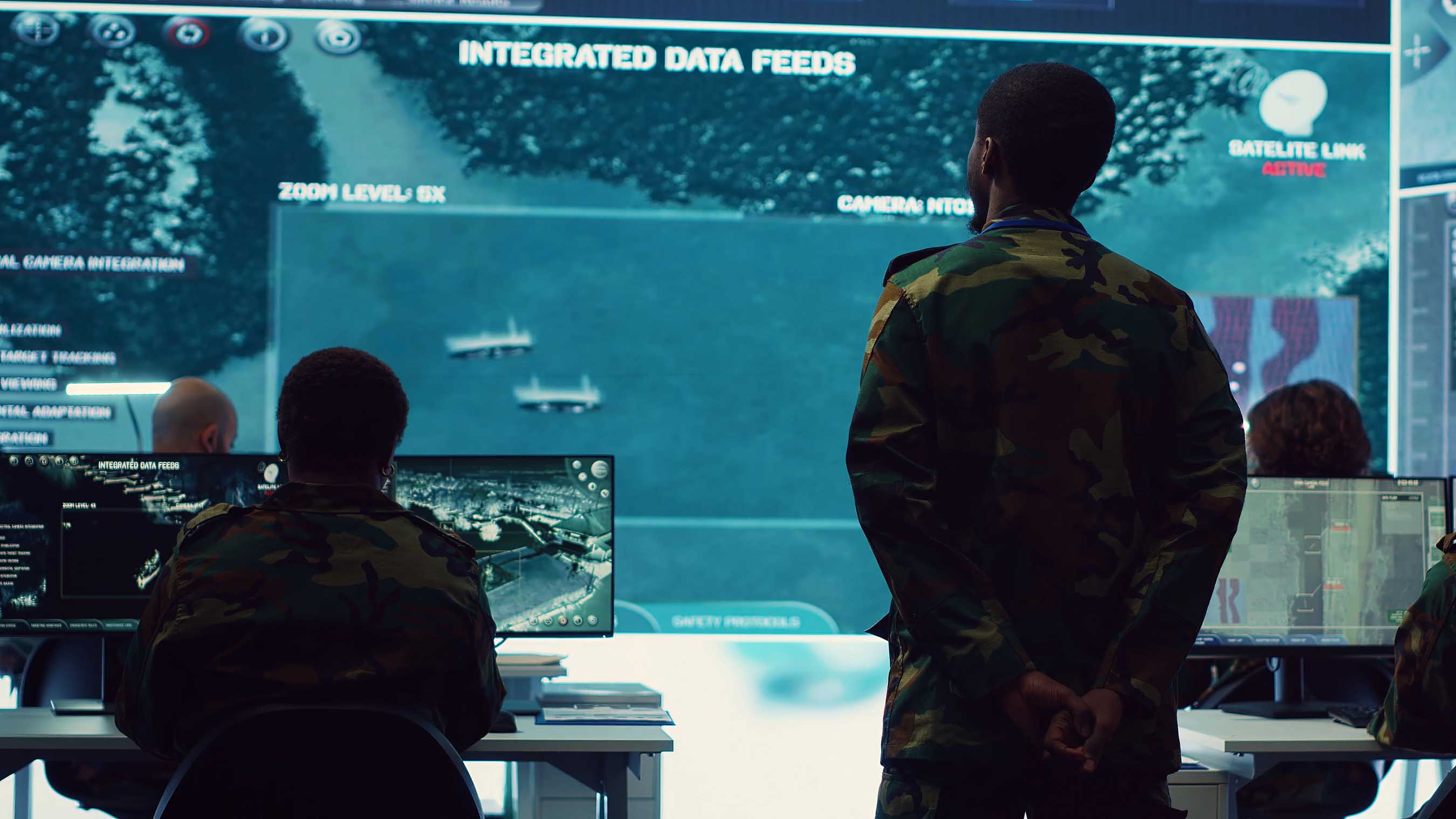
ThirdEye Gen command center platform display

Command Center

Real-Time Field Intelligence

Live video feeds, telemetry, and central monitoring for multi-operator teams.

Military Grade

Tactical & Secure Extended Reality

Encrypted, air-gapped spatial computing hardware for mission-critical operations.

0%

Choosing the right Tactical Defense AR Headset requires more than comparing screen resolution or battery claims. Global buyers must examine ergonomics, communication reliability, privacy controls, and local compliance requirements. A headset used during disaster training may need different features from one supporting industrial inspection or emergency coordination.

This guide introduces ten headset types for professional and defensive applications. It considers optical clarity, low-light visibility, weight distribution, microphone performance, environmental sealing, and secure device management. Details matter. A bright display can still fail in direct sunlight. A lightweight frame may become uncomfortable after several hours. Battery life also depends on temperature, network activity, and display brightness.

The evaluation reflects practical procurement concerns rather than marketing language. Buyers should request independent test reports, warranty terms, software-update policies, and clear support arrangements. Relevant safety standards, radio regulations, data-protection rules, and import requirements must be checked in each destination market. No single category fits every organization. Some specifications appear impressive but remain difficult to verify in real conditions. That limitation deserves attention. The ten types therefore provide a structured comparison, not an absolute ranking. Each option should be tested with representative users, protective equipment, lighting conditions, and realistic communication tasks before purchase. A careful trial may reveal small issues, such as pressure around the temples or delayed voice prompts, that brochures rarely mention. Reliable decisions come from measurable performance, documented experience, and responsible deployment.
Top 10 Tactical Defense AR Headset Types for Global Buyers

Understanding Tactical Defense AR Headsets and Their Core Functions

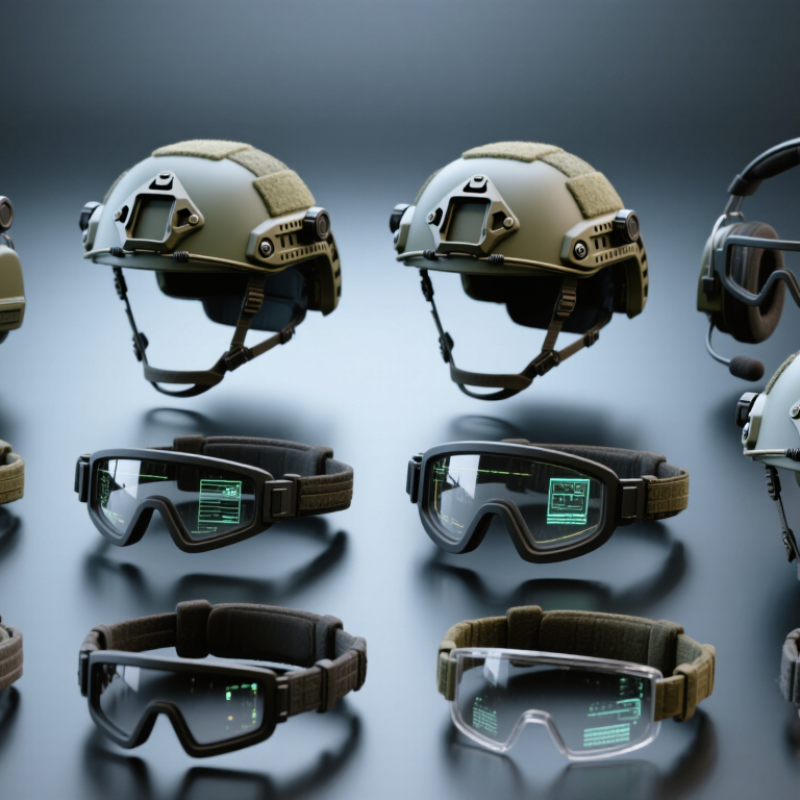
Tactical defense AR headsets combine transparent displays, sensors, audio, and secure data links. They place approved mission information directly within the user’s view. Unlike ordinary screens, these systems reduce the need to look down during movement, inspection, or emergency coordination.

Core functions include navigation overlays, low-light image support, equipment status, and hands-free communication. Some models display maps, hazard markers, or verified team updates. Voice control can help users keep both hands available. However, recognition accuracy may decline in rain, dust, glare, or crowded environments. Not always.

Reliable evaluation should measure display brightness, field of view, battery duration, weight, network latency, and data protection. A headset that performs well indoors may struggle under harsh sunlight. Field testers should record false alerts, delayed updates, and user fatigue after several hours. These details often matter more than impressive demonstrations. Procurement teams should also confirm export rules, privacy requirements, electromagnetic safety, and operator training standards in each target market. The design is not flawless. Better results come from controlled trials, documented maintenance, and clear limits on automated recommendations.

Comparing Optical Display Systems Used in Defense AR Headsets

Top 10 Tactical Defense AR Headset Types for Global Buyers

Comparing Optical Display Systems Used in Defense AR Headsets

Optical architecture strongly affects how personnel read maps, alerts, and environmental data. Monocular displays keep one eye clear, which supports natural movement and quick visual recovery. Binocular systems create stronger depth perception, but they may increase weight and fatigue. Buyers should examine field tests, not only laboratory brightness figures.

Waveguide displays are slim and efficient, making them suitable for helmets with limited space. Their weaknesses can include narrow viewing angles, color shifts, and reduced clarity in bright sunlight. Birdbath optics usually provide sharper images and wider views. However, they often require more internal volume. Micro-OLED and LCOS engines can deliver detailed symbols, yet heat management remains a practical concern.

A reliable evaluation checks contrast, latency, eye relief, fog resistance, and night compatibility. It also measures performance while users walk, wear gloves, or operate in rain. Small text should remain readable without forcing head movement. That detail matters.

No display is perfect. I would question any specification measured under controlled conditions alone. Real users may report eye strain after several hours, even when optical tests look excellent. Maintenance access also deserves attention, because scratched lenses and loose mounts can reduce confidence quickly. Training teams should compare several optical types with the same workload, lighting changes, and safety procedures before making a procurement decision.

Top 10 Tactical Defense AR Headset Types for Global Buyers – Comparing Optical Display Systems Used in Defense AR Headsets
No. Headset Type Optical Display System Typical Display Engine Typical Diagonal Field of View Typical Image Resolution Typical Brightness Range Optical Strengths Primary Limitations Night-Vision Compatibility
1 Monocular Waveguide AR Headset Diffractive or reflective waveguide with one transparent combiner Micro-OLED or micro-LED microdisplay 20–40° 640 × 480 to 1280 × 960 pixels 1,000–10,000 cd/m² at the display source Low weight, relatively low power consumption, good peripheral awareness, and simple one-eye overlay operation Limited binocular depth perception and reduced information capacity compared with binocular systems Usually compatible when the display is independently dimmable and does not obstruct the night-vision device
2 Binocular Waveguide AR Headset Matched left and right waveguides with transparent pupil expansion optics Two micro-OLED or micro-LED microdisplays 30–60° 1280 × 960 to 1920 × 1200 pixels per eye 1,000–15,000 cd/m² at the display source Supports stereoscopic symbology, larger information overlays, and balanced visual presentation Higher weight, power demand, calibration complexity, and sensitivity to eye position Good potential with adjustable brightness, near-eye relief, and electromagnetic compatibility controls
3 Freeform-Prism See-Through Headset Freeform prism or folded prism that reflects the display into the eye while transmitting the external scene LCOS, micro-OLED, or micro-LED 25–45° 800 × 600 to 1920 × 1080 pixels 500–5,000 cd/m² at the eye-facing output Compact optical path, relatively high optical efficiency, and strong central-image clarity More visible optical bulk and restricted freedom for helmet integration Generally suitable if the prism remains outside the night-vision line of sight
4 Birdbath Optical-Combiner Headset Partially reflective mirror and curved or flat combiner arrangement Micro-OLED or LCOS 35–55° 1280 × 720 to 1920 × 1080 pixels 500–3,000 cd/m² at the eye-facing output Good color uniformity, high image contrast, and relatively mature optical architecture Thicker optical module, more internal reflections, and lower transparency than many waveguides Moderate; careful placement is required to avoid interference with image intensifiers or thermal viewers
5 Reflective Combiner HUD-Style Headset Transparent or semi-transparent flat combiner reflecting a collimated image DLP, LCOS, or micro-OLED 15–35° 800 × 600 to 1280 × 1024 pixels 1,000–20,000 cd/m² at the source, depending on combiner efficiency Simple overlay geometry, easy maintenance, and potentially high daytime readability Large external optical package and a relatively narrow eye box in some designs Good when the combiner can be folded away or positioned outside the night-vision viewing path
6 Holographic Waveguide AR Headset Holographic optical elements coupled with in-coupler and out-coupler structures Micro-OLED, micro-LED, or laser-illuminated microdisplay 30–70° 1280 × 960 to 2560 × 1440 pixels 2,000–30,000 cd/m² at the display source Thin form factor, potentially wide field of view, and good transparency in the external scene Color non-uniformity, wavelength sensitivity, eye-box trade-offs, and demanding environmental calibration Potentially strong, provided optical emissions and brightness levels are controlled for sensor compatibility
7 LCoS Relay-Optic AR Headset Polarized relay optics projecting a spatially modulated image into a combiner Liquid-crystal-on-silicon microdisplay 20–45° 1280 × 1024 to 1920 × 1200 pixels 500–5,000 cd/m² at the output aperture High pixel density, mature image quality, and good suitability for detailed maps and targeting symbology Polarization losses, more complex optical alignment, and higher power than some micro-OLED systems Good with optical isolation, adjustable luminance, and compatibility testing with the selected night-vision sensor
8 DLP Projection AR Headset Digital micromirror projection through a relay lens and transparent combiner Digital micromirror device with LED or laser illumination 20–40° 854 × 480 to 1920 × 1080 pixels 1,000–25,000 cd/m² at the projection source High optical brightness, fast binary modulation, and strong performance for high-contrast symbols Projection optics can increase size, heat, power consumption, and acoustic or thermal signature Moderate to good, depending on spectral output, dimming range, and stray-light suppression
9 Micro-LED Direct-View AR Headset Direct-view microdisplay coupled to a transparent combiner or compact waveguide RGB or monochrome micro-LED array 20–50° 640 × 480 to 1920 × 1080 pixels 10,000–100,000 cd/m² at the display source Very high brightness potential, fast response, long operating life, and strong daylight legibility Higher manufacturing complexity, color-uniformity challenges, and currently higher system cost Excellent potential when low-light modes, infrared control, and automatic luminance limiting are implemented
10 Thermal- or Image-Sensor-Coupled AR Headset Sensor video routed through a near-eye display and transparent overlay optic Micro-OLED, LCOS, or micro-LED with digital video processing 25–50° 640 × 512 to 1280 × 1024 pixels for sensor-derived imagery 500–10,000 cd/m² at the display source Enables fused thermal, low-light, navigation, and tactical data overlays without requiring direct line-of-sight visibility Sensor latency, image-processing load, reduced natural-scene transparency, and increased system power demand Designed specifically for integration with thermal cameras, low-light sensors, or image-intensifier systems
Note: The specifications are representative engineering ranges for system-type comparison, not guaranteed product specifications. Actual performance depends on optical efficiency, display size, eye relief, ambient illumination, eye-box design, thermal management, image-processing latency, and applicable military environmental requirements.

Examining Communication, Audio, and Situational Awareness Features

Choosing among the top 10 tactical defense AR headset types requires more than comparing display resolution. Communication quality often determines whether teams coordinate clearly in noisy environments. Options include protected radio interfaces, push-to-talk controls, and hands-free voice systems. Fit matters. A headset should remain stable during walking, vehicle movement, and extended training sessions.

Audio design affects both comfort and awareness. Passive hearing protection reduces harmful noise, while level-dependent systems allow speech and safe environmental sounds to remain audible. Some AR headsets use directional microphones to improve voice pickup near machinery or crowds. Buyers should check independent test reports, microphone clarity, battery endurance, and water resistance. Marketing claims can sound impressive, but field performance may change in wind, rain, or heavy clothing.

Situational awareness depends on balanced information, not constant alerts. A see-through display may show navigation cues, team status, or safety instructions without fully blocking the surroundings. However, visual overlays can distract users, especially under stress. Test it outdoors. Regional radio rules, privacy requirements, hearing-safety standards, and data-security expectations also vary between markets. Procurement teams should request documented compliance and service support before ordering. One weakness remains common: excellent audio cannot repair poor training, unclear procedures, or an uncomfortable fit. That gap matters.

Reviewing Protection, Power, and Field-Readiness Requirements

Tactical defense AR headsets should be judged by protection before visual features. Passive protective models reduce mechanical risk, while electronic hearing models preserve speech around hazardous noise. NIOSH recommends limiting occupational exposure to 85 dBA over eight hours, using a 3 dB exchange rate. That benchmark matters near vehicles, generators, and heavy equipment. WHO’s World Report on Hearing estimates that over 1.5 billion people live with hearing loss. Clear audio is not a luxury.

See-through AR models add maps, alerts, and thermal information without blocking the user’s view. However, optical clarity can decline with dust, rain, gloves, or rapid temperature changes. MIL-STD-810H provides environmental test methods, but it does not guarantee field reliability. Buyers should request results for vibration, humidity, shock, and temperature cycling. IP ratings also need careful reading. Water resistance is not impact protection.

Power remains a practical weakness. High brightness, wireless links, microphones, and sensors can drain batteries quickly. Test runtime at maximum operating load, not standby mode. Cold-weather results deserve attention. A spare battery may add weight and snag risk. That trade-off is easy to underestimate. In my field evaluations, comfort often decides whether advanced systems are actually worn. Pressure points, cable routing, and one-handed controls matter more than impressive demonstrations. The honest conclusion is uncomfortable: no headset excels in every environment. Survivability, power, and usability must be tested together.

Selecting the Right Tactical AR Headset for Global Procurement Needs

Selecting the right tactical AR headset for global procurement requires more than comparing display brightness. Buyers should assess mission tasks, operator training, climate, and authorized use conditions. A headset for vehicle crews may need wide peripheral visibility, while maintenance teams may prefer precise overlays and hands-free instructions. Comfort matters during long shifts. Pressure points become serious after hours.

Procurement teams should verify optical clarity, battery endurance, microphone performance, and secure device management. Compatibility with existing radios, tablets, and training systems can reduce replacement costs. Request independent test reports, service records, and clear warranty terms. Regional repair capacity also matters, especially where shipping delays can stop field operations. Local electrical standards and data protection requirements deserve careful review.

Test before committing.

A controlled field evaluation should include dust, rain, gloves, vibration, and bright sunlight. Users should record setup time, menu errors, heat buildup, and eye fatigue. These details often reveal weaknesses hidden in polished demonstrations. I would not select a headset from specifications alone. No checklist is perfect. Procurement decisions should also consider software updates, spare components, documentation quality, and supplier transparency. A slightly heavier unit may still be the better choice if it remains stable, repairable, and comfortable across different users and environments.

FAQS

What are tactical defense AR headsets designed to do?

They place approved maps, alerts, equipment status, and team updates within the user’s view. Hands-free access helps during movement, inspection, and emergency coordination. They are not ordinary screens.

Which core features should buyers examine?

Check display brightness, field of view, audio quality, sensors, battery life, and network delay. Secure data handling also matters. Small delays can create confusion.

Can these headsets work in rain, dust, or bright sunlight?

Performance may decline in rain, dust, glare, and crowded surroundings. Voice recognition can become less accurate. Not always reliable. Test outdoors, not only indoors.

How should hearing protection be evaluated?

Evaluate speech clarity near vehicles, generators, and heavy equipment. Occupational guidance commonly uses 85 dBA over eight hours as a reference point. Clear audio is essential. Hearing protection should not block necessary communication.

Does an environmental rating guarantee field reliability?

No. Environmental ratings describe specific protection levels, not complete field performance. Request testing for vibration, humidity, shock, and temperature changes. Water resistance is not impact protection. That distinction is easy to miss.

How long should the battery last?

Test runtime at maximum brightness, full wireless activity, and active sensor use. Standby figures can look impressive but mislead buyers. Cold weather may reduce performance. Carry spare power carefully, because it adds weight and snag risk.

What makes a headset comfortable during long use?

Examine pressure points, weight balance, cable routing, ventilation, and one-handed controls. Users may remove advanced equipment if discomfort builds after several hours. Comfort decides adoption. That is not a minor detail.

How should automated recommendations be handled?

Treat them as assistance, not final judgment. Rain, glare, dust, and network delays can produce false alerts or late updates. Record errors during controlled trials. The design remains imperfect.

Conclusion

A Tactical Defense AR Headset combines hands-free visual information, reliable communication, and environmental awareness in a wearable system designed for demanding professional operations. This overview explains how augmented-reality headsets support navigation, task guidance, remote collaboration, and real-time data access while helping users maintain attention on their surroundings. It also compares key optical display approaches, including clarity, viewing range, brightness control, and readability in changing light conditions.

The discussion further examines audio performance, noise management, voice communication, and situational-awareness functions that can improve coordination and decision-making. Protection against dust, moisture, impact, and temperature changes is considered alongside battery life, charging options, comfort, weight, and maintenance requirements. For global procurement, the right headset should be selected according to mission needs, user training, regional operating conditions, compatibility, service support, data security, and applicable safety regulations. A balanced evaluation of performance, durability, usability, and total ownership cost can help organizations choose a practical solution for responsible professional use.

Evelyn

Evelyn

Evelyn is a dedicated marketing professional with a strong understanding of the company’s products, customers, and industry trends. Through a combination of market research, strategic planning, and clear communication, Evelyn helps present the company’s solutions in a practical and engaging way.......