
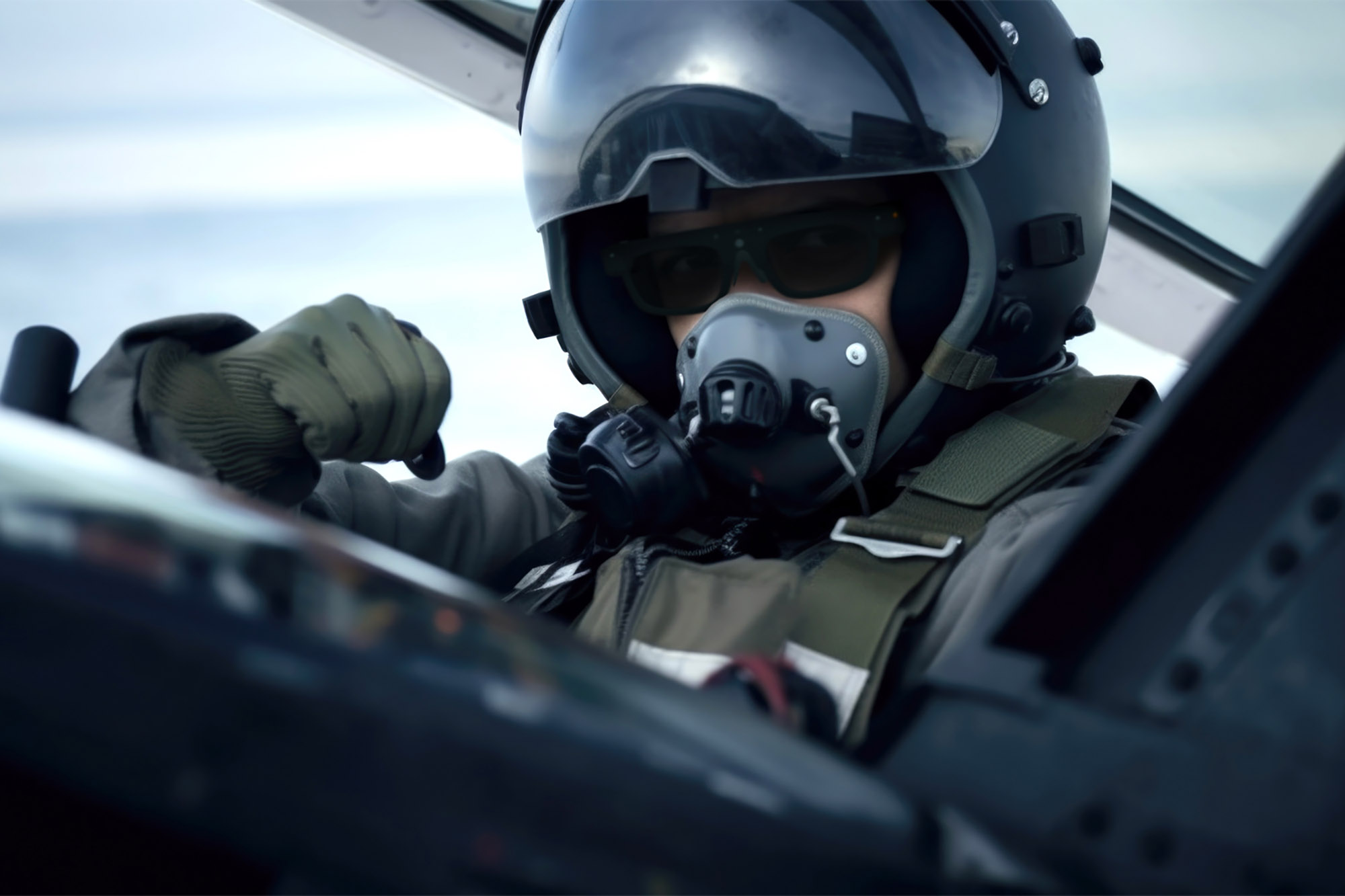
ThirdEye Gen — from real-time field operations to classified environments: secure, validated, intelligent AR workflows.

ThirdEye Gen logo MR / AI Solutions

Industry Knowledge Hub

Augmented Reality & Spatial Computing Insights

Expert articles, technical updates, and enterprise deployment insights from ThirdEye Gen.

AI + AR Software

Enterprise Workflows & AI Intelligence

Connecting experts, digital assets, and field technicians with smart telepresence.

ThirdEye X2 MR smart glasses used in maintenance

Hardware Innovation

Standalone Hands-Free Solutions

Discover how standalone Android smart glasses improve productivity across industrial environments.
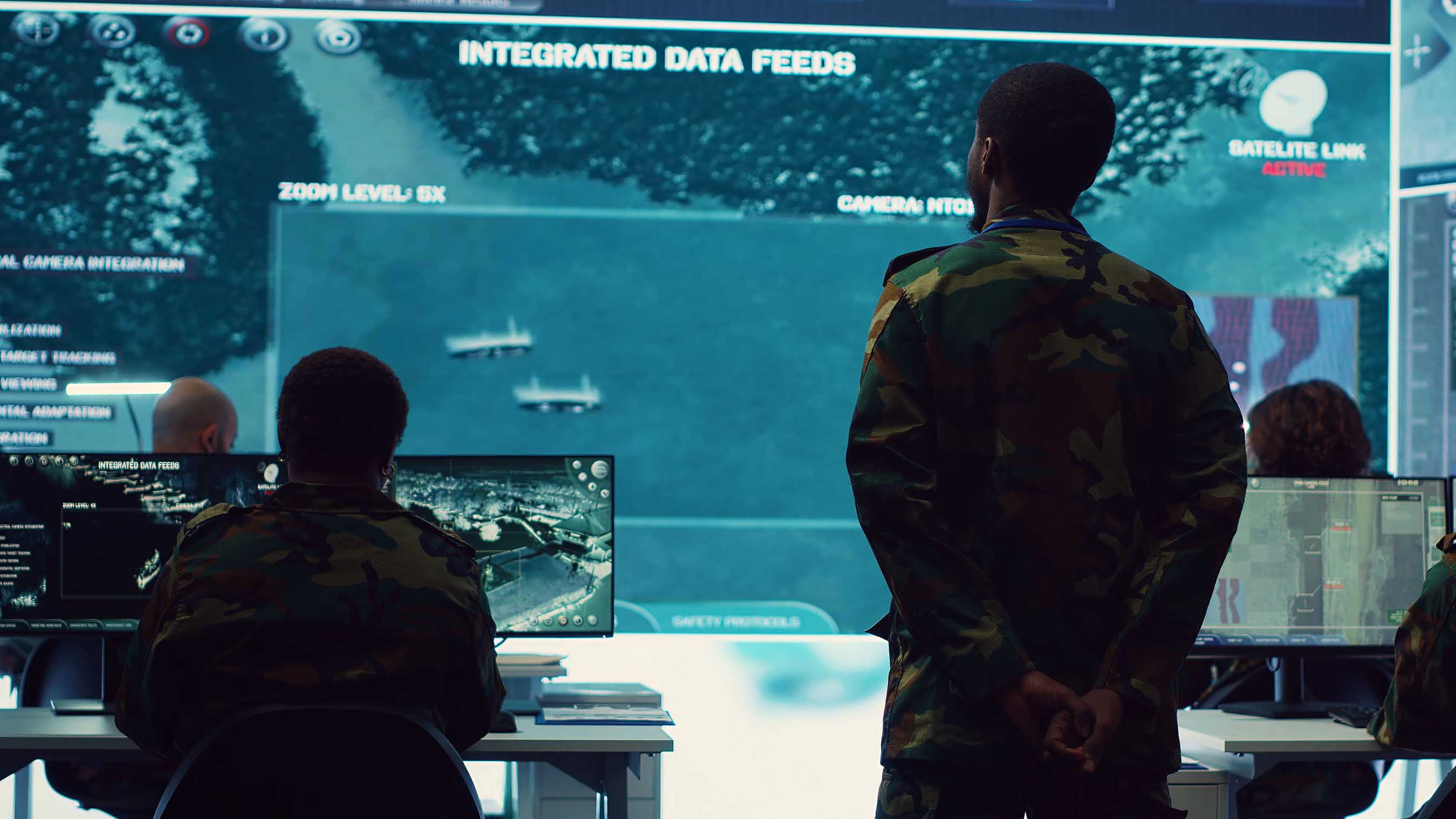
ThirdEye Gen command center platform display

Command Center

Real-Time Field Intelligence

Live video feeds, telemetry, and central monitoring for multi-operator teams.

Military Grade

Tactical & Secure Extended Reality

Encrypted, air-gapped spatial computing hardware for mission-critical operations.

0%

Emergency scenes rarely offer quiet, clean conditions. Smoke can soften contrast, rain can blur a lens, and gloves can make tiny controls awkward. First Responders AR Smart Glasses promise to place maps, checklists, or team updates within view, while leaving hands available for practical work. But a display is useful only when it stays readable and does not distract from people, hazards, or changing instructions. Small details matter.

In his 1997 paper “A Survey of Augmented Reality,” researcher Ronald T. Azuma wrote: “An augmented reality system supplements the real world with virtual (computer-generated) objects that appear to coexist in the same space as the real world.” That idea gives this guide a useful lens: examine how well each device connects digital information to the scene in front of a responder. The ten options are considered through practical factors, including visibility, fit, battery life, controls, connectivity, durability claims, and support for existing workflows. Specifications can look impressive on a product page. Field use is less tidy. A bright overlay may help outdoors but still compete with critical visual cues, and a comfortable headset may not suit every helmet or shift. This ranking is a starting point, not a substitute for hands-on trials, agency requirements, or training. We will note where evidence is limited, because a polished demo is not proof of dependable performance.
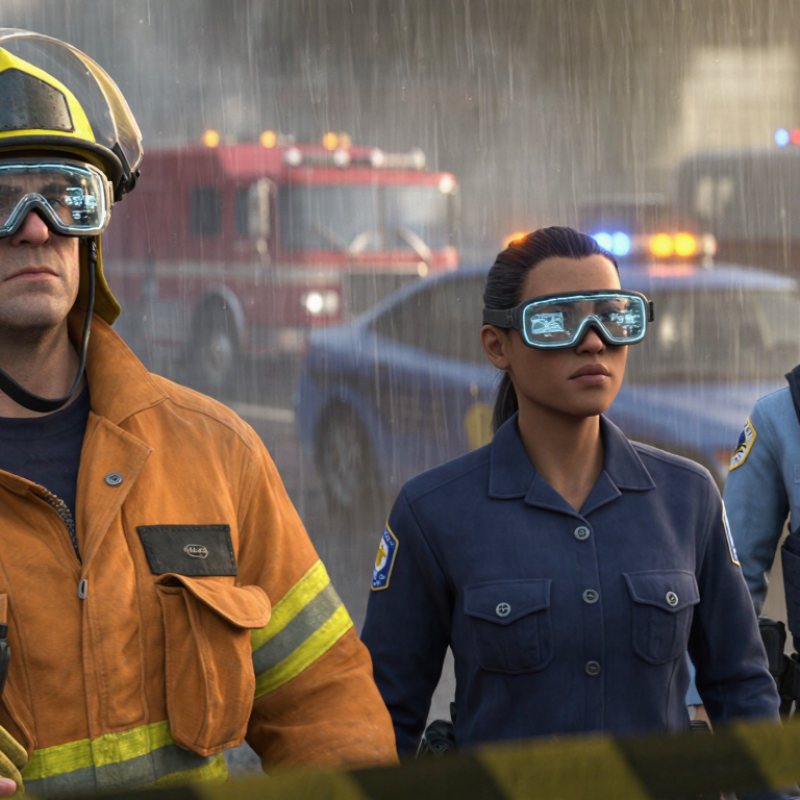
10 Best AR Smart Glasses for First Responders in 2026

U.S. Fire-Response Demand: NFPA Estimated 1.39 Million Fires in 2023

NFPA estimated 1.39 million fires in the United States in 2023. That figure signals the scale of work facing fire-response teams, from house fires to incidents in crowded buildings. Each call can bring smoke, noise, and rapidly changing conditions. Clear information matters. Augmented reality (AR) glasses may display maps, building details, or team updates within a responder’s field of view. Used well, they could reduce the need to look down at a handheld screen. But a display can also distract. It must remain readable through movement, protective equipment, and poor visibility.

Tips: Test any display with gloves and helmets before relying on it. Keep critical alerts brief, and make sure essential information remains available without the glasses. Practice in realistic drills, not only in a clean training room.

The NFPA estimate describes reported fire activity; it does not reveal the demands of every individual call. That distinction matters when choosing tools. A device should support established procedures, not compete with them. Teams should assess battery life, fit, durability, and how information is shared during an emergency. Small usability flaws can become serious under pressure. I would not assume that more on-screen data means better decisions; sometimes the simpler view is the safer one.

How AR Glasses Work: Displays, Sensors, Connectivity, and Controls

AR glasses place short instructions inside the wearer’s view, rather than replacing the scene ahead. Many use a small projector and optical combiner to show text or symbols on a lens. Other designs use a tiny display near the eye. The image may show a floor plan, a teammate’s location, or a checklist beside a doorway. It should remain readable without hiding hazards or faces. Small, but important.

Sensors help the system understand movement and surroundings. Cameras can capture the forward view, while inertial sensors track head turns and motion. Some devices also include depth sensing or location tools, though performance can change indoors, in smoke, or under poor lighting. A marker may drift when a wearer turns quickly. That matters. Users should verify critical information against what they can see and hear directly.

Connectivity can link glasses to a phone, radio network, or incident-management platform, depending on the setup. A weak signal may delay maps or shared updates, so essential instructions should not depend on a live connection alone. Controls vary: voice commands can work when hands are occupied, while physical buttons help in loud or wet conditions. Touch controls may be awkward with gloves. A good fit, clear display, and practiced controls are not glamorous; they can still determine whether information helps or distracts.

AR Smart Glasses for First Responders: Core System Layers

This chart groups example functions across the display, sensors, connectivity, and controls. The bars count only the examples listed here; they are not specifications or a ranking, and individual devices may support different features.

Evaluation Criteria: Field of View, Battery Life, Weight, and IEC 60529 Ratings

For first responders, a wide field of view can help keep nearby colleagues, equipment, and hazards visible while an overlay is in use. Compare the usable view, not just the advertised number. A display that looks clear indoors may feel cramped in a vehicle or dim outdoors. Battery life should cover the expected shift, with reserve for delays and cold conditions. Check whether ratings reflect continuous use or a limited test. Fit matters. Glasses that press against a helmet or slide during movement may distract more than they help.

Tips: Try the glasses with the actual helmet, eye protection, and gloves. Check controls without looking down. Weigh the complete setup, including any external battery. Read the IEC 60529 documentation and confirm the stated IP rating covers the conditions you expect. Check the paperwork.

Weight and sealing involve trade-offs. Extra protection can add bulk, while a lighter frame may need more careful handling. IEC 60529 ratings describe resistance to dust and water under defined tests; they do not guarantee performance in every field condition.

Ask how ports, seals, and cleaning routines affect the rating over time. A comparison sheet is useful, but it cannot capture every fit issue. That part is easy to overlook. Keep evaluation notes from realistic, supervised trials, and record where visibility, comfort, or battery performance falls short.

10 Best AR Smart Glasses for First Responders in 2026: A Feature Comparison

Comparing ten AR smart glasses for first responders means looking beyond display sharpness. A clear overlay can show a route, equipment checklist, or patient notes while crews keep both hands available. Yet glare from wet pavement or flashing lights may wash out text. Small details matter. Compare field of view, adjustable brightness, voice controls, and operation with gloves. A wider view is not automatically safer; visual clutter can compete with hazards in the real scene. Assess each option in daylight, low-light drills, and realistic training environments.

Durability and endurance separate useful tools from shelf-ready prototypes. Check impact and water-resistance ratings against deployment needs, then test fit under helmets, eye protection, and hearing equipment. Measure battery life with mapping and wireless features active, not only in standby. It varies. Compare connection stability in buildings and vehicles, offline access to critical instructions, and compatibility with existing response systems. Security controls deserve equal attention when devices handle images or sensitive information. Record setup time, cleaning effort, and control use with wet gloves. One caveat: specifications rarely reproduce a chaotic scene, and fit differs across users. A controlled pilot may reveal problems a feature chart misses.

10 Best AR Smart Glasses for First Responders in 2026: A Feature Comparison

This brand-free comparison ranks ten first-responder device profiles by field use. It is not a list of named products: exact specifications, certifications, and compatibility vary by model and must be verified before purchase.

Rank Recommended profile Best suited task Useful capability Key field check Overall fit
1 Rugged monocular, voice-controlled glasses Hands-free checklists, incident notes, and remote guidance A small display leaves much of the wearer’s natural field of view unobstructed; voice input can reduce the need to touch controls while wearing gloves. Test speech recognition with breathing apparatus, sirens, wind, and protective gloves. Strong general-purpose option for field workflows.
2 Helmet-mountable monocular glasses Fire, rescue, and technical-response operations where head protection is required A compatible mount can keep the display and camera aligned without requiring a separate handheld device. Confirm approved helmet compatibility, secure retention, balance, and unobstructed peripheral vision. Best when the full head-protection setup is tested together.
3 Remote-expert video glasses Live visual support for equipment inspection, triage workflows, and unfamiliar procedures A forward-facing camera can share the wearer’s view with a remote specialist; audio lets the wearer keep both hands available. Verify camera performance in low light, network coverage, privacy controls, and secure video handling. High value when reliable communications and expert support are available.
4 Thermal-camera-compatible glasses Search and assessment tasks where thermal imaging is part of the response plan A thermal camera or paired thermal device can help show heat patterns that are not visible in ordinary video. Confirm that the thermal sensor is actually integrated or supported; ordinary visible-light cameras do not provide thermal imaging. Specialist choice for teams with a defined thermal-imaging workflow.
5 Prescription-compatible monocular glasses Extended shifts for responders who need corrective lenses Prescription inserts or compatible eyewear can improve display readability without requiring the user to remove corrective lenses. Check insert availability, fit with protective eyewear, fogging, and comfort during prolonged wear. Strong fit when optical correction is needed throughout a shift.
6 High-resolution camera glasses Remote visual documentation, equipment identification, and close-up inspection A higher-resolution camera can capture more visual detail in suitable lighting, although image quality also depends on focus, stabilization, and sensor performance. Evaluate moving footage, low-light images, stabilization, and whether recording is permitted by agency policy. Useful when clear visual evidence or inspection detail is a priority.
7 Binocular see-through display glasses Situations requiring larger or more immersive visual overlays Displays in both eyes can present spatial content across a binocular view, which may suit guided visualization and mapped information. Assess peripheral awareness, depth perception, fit, and safe use while walking or operating in dynamic environments. Best for controlled tasks where overlays justify the additional visual coverage.
8 Wide-field-of-view display glasses Context-rich instructions, spatial guidance, and visual information that benefits from a larger display area A wider display field can show more digital content at once, but does not by itself guarantee accurate outdoor visibility or safe awareness. Test sunlight readability, display alignment, visual distraction, and usable field of view with the intended helmet or eyewear. Best when broader visual information is operationally necessary.
9 Hot-swappable or externally powered glasses Long-duration incidents and continuous use across extended shifts Replaceable or external power can reduce interruptions compared with relying on a single built-in battery. Check real runtime with camera, display, wireless connection, and cold-weather use active; headline battery life may reflect lighter use. Strong choice for sustained deployments with a practical charging plan.
10 Intrinsically safe-certified glasses Work in locations where flammable gas, vapor, or combustible dust may be present Equipment certified for a hazardous location is designed and tested against specific ignition-risk requirements for its approved conditions. Verify the exact certification, hazardous-area classification, accessories, and operating conditions; ruggedness alone is not intrinsic safety. Essential only where the incident environment and applicable rules require it.

Operational Fit: Testing Wearables Against NFPA and MIL-STD-810H Requirements

A useful 2026 shortlist should begin with operational fit, not display resolution. Test each pair of glasses with the helmet, eye protection, gloves, and radio responders already use. Can a firefighter read a prompt through smoke residue on the lens? Can a medic dismiss it with wet gloves? Small failures matter.

NFPA requirements depend on the equipment’s intended use and the applicable standard and edition. Treat them as specific evaluation criteria, not a single approval label for smart glasses. Check whether the device obstructs protective eyewear, limits peripheral vision, or creates heat and snag hazards. Record the setup, conditions, and results. A clear pass in a lab may not survive a crowded stairwell.

MIL-STD-810H testing also needs a mission-specific plan. The standard describes environmental test methods; it does not automatically certify a product for every field condition. Assess relevant exposure to vibration, shock, temperature changes, and dust or moisture, then verify core functions afterward. Does the display stay readable? Do controls respond? Does the battery remain secure? Test while the glasses are mounted as responders will wear them. Field trials are imperfect; head shapes, helmet fit, and task pressure vary. That is exactly why repeated checks matter.

FAQS

What does the estimated 1.39 million fires in 2023 tell responders?

It shows the scale of reported fire activity, not the demands of every individual call.

What information could AR glasses display?

They could show maps, building details, and team updates in a responder’s field of view. They may reduce handheld screen checks, but can also distract.

How can teams reduce display-related distraction?

Keep critical alerts brief and make essential information available without the glasses. Practice in realistic drills. Not just indoors.

What should teams assess before choosing glasses?

Compare field of view, battery life, weight, fit, and durability. Record practical problems, even small ones.

How should responders check the field of view?

Test visibility in vehicles and outdoors, not only in a bright room. Check whether nearby colleagues and hazards remain visible.

How much battery life is enough?

It should cover the expected shift, with reserve for delays and cold conditions. Check how battery claims were tested.

Why test glasses with protective equipment?

Helmets, eye protection, and gloves can change fit and control access. Try the complete setup while moving.

What do dust and water ratings guarantee?

They describe resistance under defined tests, not every field condition. Check how ports, seals, and cleaning affect protection over time.

Are comparison sheets enough to judge comfort?

They help, but may miss pressure points or slipping during movement. Keep notes from supervised trials; I might overlook a small fit issue at first.

Conclusion

With an estimated 1.39 million fires in the United States in 2023, firefighters and other emergency crews need tools that can deliver useful information without distracting from immediate hazards. This overview explains how First Responders AR Smart Glasses combine a compact display with sensors, wireless connectivity, and hands-free or simple controls. Depending on the system, these functions may help users view situational information while keeping their attention on the scene.

The comparison of ten 2026 options considers practical factors such as field of view, battery life, weight, and IEC 60529 ingress-protection ratings. It also outlines how departments can assess whether a device suits their equipment and procedures, including structured field trials and checks against relevant NFPA guidance and MIL-STD-810H environmental test methods. These evaluations help teams weigh usability, durability, and operational fit; specifications alone should not replace training or testing under realistic conditions.

Evelyn

Evelyn

Evelyn is a dedicated marketing professional with a strong understanding of the company’s products, customers, and industry trends. Through a combination of market research, strategic planning, and clear communication, Evelyn helps present the company’s solutions in a practical and engaging way.......