ThirdEye Gen — from real-time field operations to classified environments: secure, validated, intelligent AR workflows.

ThirdEye Gen logo MR / AI Solutions
Autonomous Vehicles AR Testing background wireframe

Enterprise Spatial Computing Infrastructure

Autonomous Vehicles AR Testing: Next-Gen Spatial Computing & Mixed Reality Architecture for ADAS & AV Validation

Bridging virtual Hardware-in-the-Loop (HIL) simulations with real-world track testing. ThirdEye Gen provides untethered AR smart glasses, secure software protocols, and hands-free HUD visualization for test track safety engineers, sensor calibration specialists, and autonomous vehicle AI procurement teams globally.

01 Sub-Millisecond Sensor Latency Overlay
02 ISO 26262 & SOTIF Audit Ready
03 Air-Gapped SXR Protocol Security
2016Engineering Leadership
45+Global Deployments
1M+Spatial Workflows
USAFDefense Contract Award

Strategic Procurement Guide & Technical Framework

The Evolution of Autonomous Vehicles AR Testing: Bridging the "11 Billion Mile" Simulation Gap

As global OEMs, Tier-1 automotive suppliers, and autonomous mobility firms push from Level 2+ Advanced Driver Assistance Systems (ADAS) to fully automated Level 4 and Level 5 platforms, traditional validation methodologies have reached an economic and operational wall. Rand Corporation estimates that autonomous fleets must log hundreds of millions—sometimes billions—of miles to demonstrate safety reliability. Physical road testing alone is dangerously slow, prohibitively expensive, and mathematically insufficient for rare edge cases. Conversely, pure software-in-the-loop (SIL) simulation lacks the unquantifiable chaos of real-world physics, micro-climate weather optical distortions, and unpredictable human interactions.

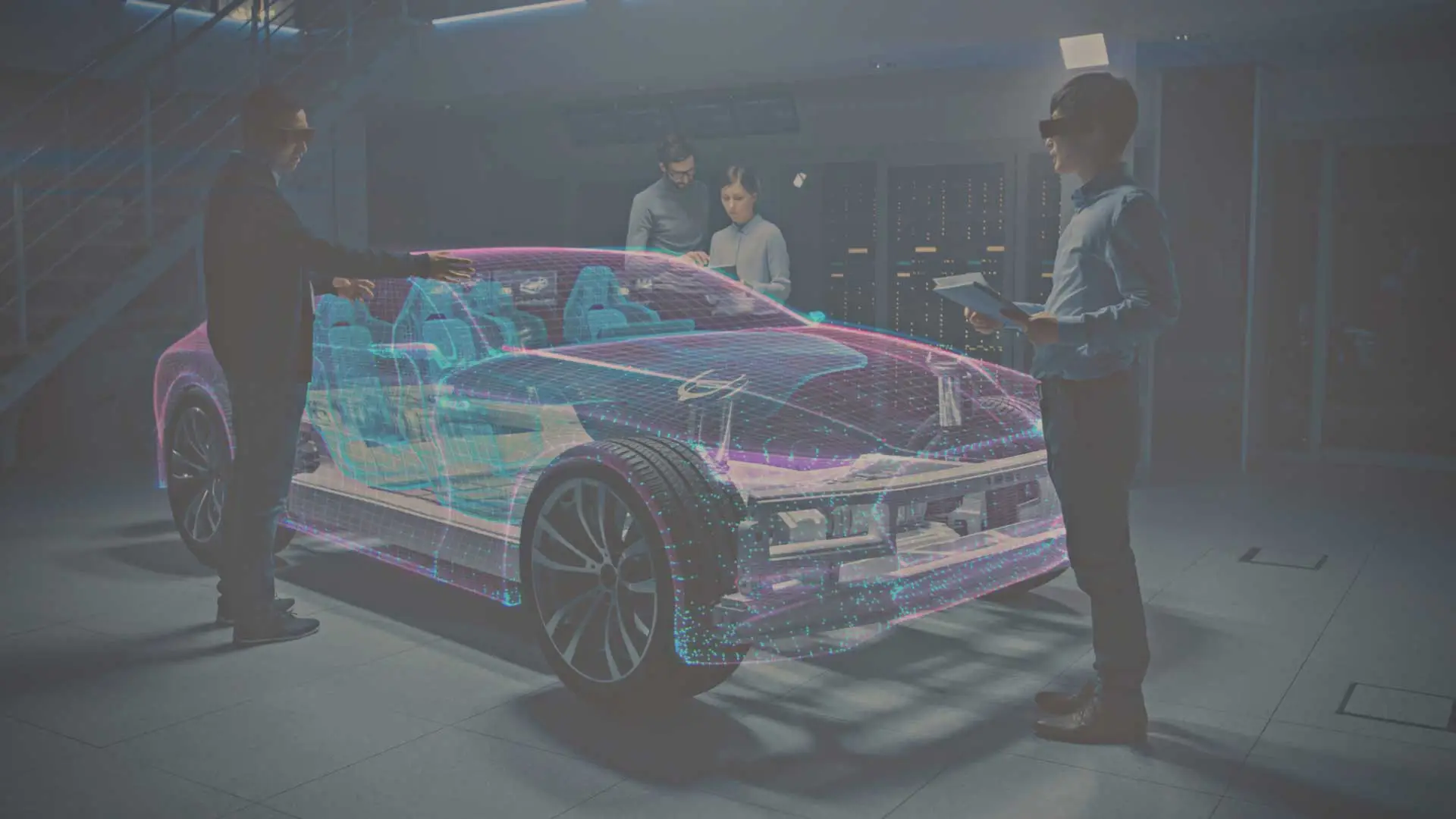
This structural challenge has given birth to Autonomous Vehicles AR Testing—a hybrid, spatial computing methodology where physical vehicles operating on proving grounds interact with real-time, synthetically generated computer vision entities, dynamic pedestrian hazards, LiDAR point-cloud overlays, and synthetic vehicle traffic. By wearing industrial-grade Augmented Reality (AR) and Mixed Reality (MR) smart glasses like the ThirdEye X2 MR Smart Glasses or integrating protective helmet displays like the MIDAS AR Display Mask, test drivers, track safety engineers, and algorithm developers can visualize the vehicle's internal AI perception state directly over the physical track in real time.

Information Gain: Why AR Beats Flat-Screen Telemetry in Proving Ground Auditing

Traditional autonomous vehicle track testing requires test engineers sitting in the passenger seat to stare down at laptop monitors displaying ROS (Robot Operating System) nodes, camera bounding boxes, and raw LiDAR streams. This disconnect creates cognitive lag, severe motion sickness, and split-second safety risks. AR spatial computing projects the vehicle’s "ground truth" and perceived bounding boxes directly onto the driver’s 3D spatial field of view. Engineers instantly spot perception lag, sensor occlusion, or phantom braking triggers without ever taking their eyes off the track.

Key Technical Drivers in Modern AV AR Testing Workflows

Global procurement directors and automotive systems architects are evaluating spatial computing hardware based on four non-negotiable architectural pillars:

  • Sensor Fusion Synchronization: Merging high-frequency CAN bus data, millimeter-wave radar, thermal imaging, and 3D LiDAR point clouds into a head-tracked stereoscopic spatial display with microsecond latency.
  • Vehicle-in-the-Loop (VIL) Edge-Case Injection: Injecting virtual emergency braking scenarios, cut-in vehicles, and jaywalking pedestrians into the safety driver's field of view while the autonomous vehicle executes high-speed maneuvers on a physical closed course.
  • Ground Truth Alignment Audit: Overlaying what the vehicle AI "thinks" it sees (semantic segmentation masks) directly onto physical objects to detect misclassifications (e.g., confusing a white truck trailer with open sky) instantly.
  • Data Sovereignty & Secure Telemetry: Ensuring proprietary autonomous drive AI models, camera feeds, and test track telemetry stay enclosed within air-gapped, encrypted networks compliant with strict automotive IP standards.
Recommended Spatial Hardware & Software Stack

Purpose-Built Hardware & Software for Autonomous Vehicle Testing

ThirdEye Gen delivers a fully integrated spatial computing stack. Sourcing hardware, OS, and remote management from a single accountable manufacturer removes integration friction for automotive engineering fleets.

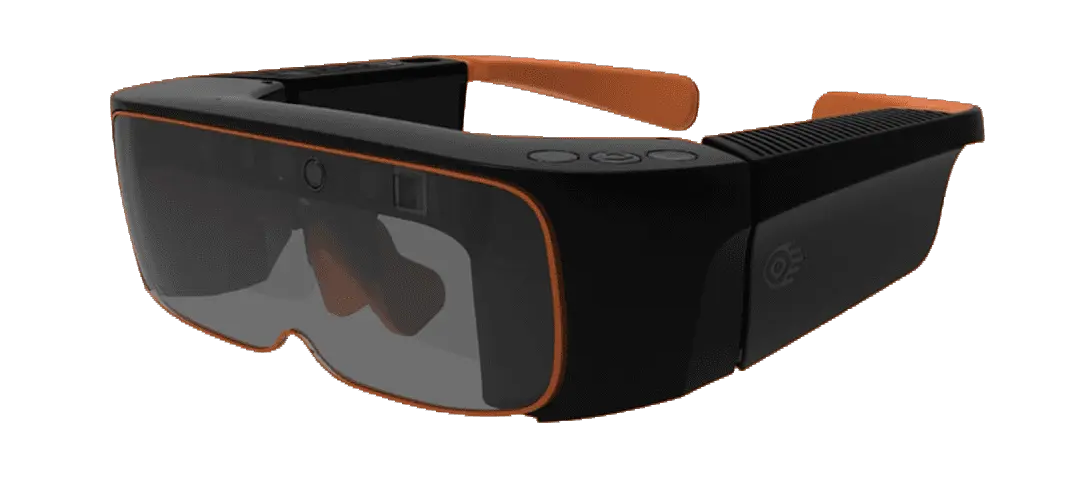
ThirdEye X2 MR Smart Glasses for Autonomous Vehicles AR Testing

ThirdEye X2 MR Smart Glasses

The industry's lightest standalone Android mixed reality headset. Featuring built-in dual 13MP cameras, 3D SLAM tracking, thermal sensor compatibility, and an open Android SDK, the X2 allows track engineers to visualize real-time ADAS perception overlays hands-free while maintaining full situational awareness.

Get Catalog & Technical Datasheet →
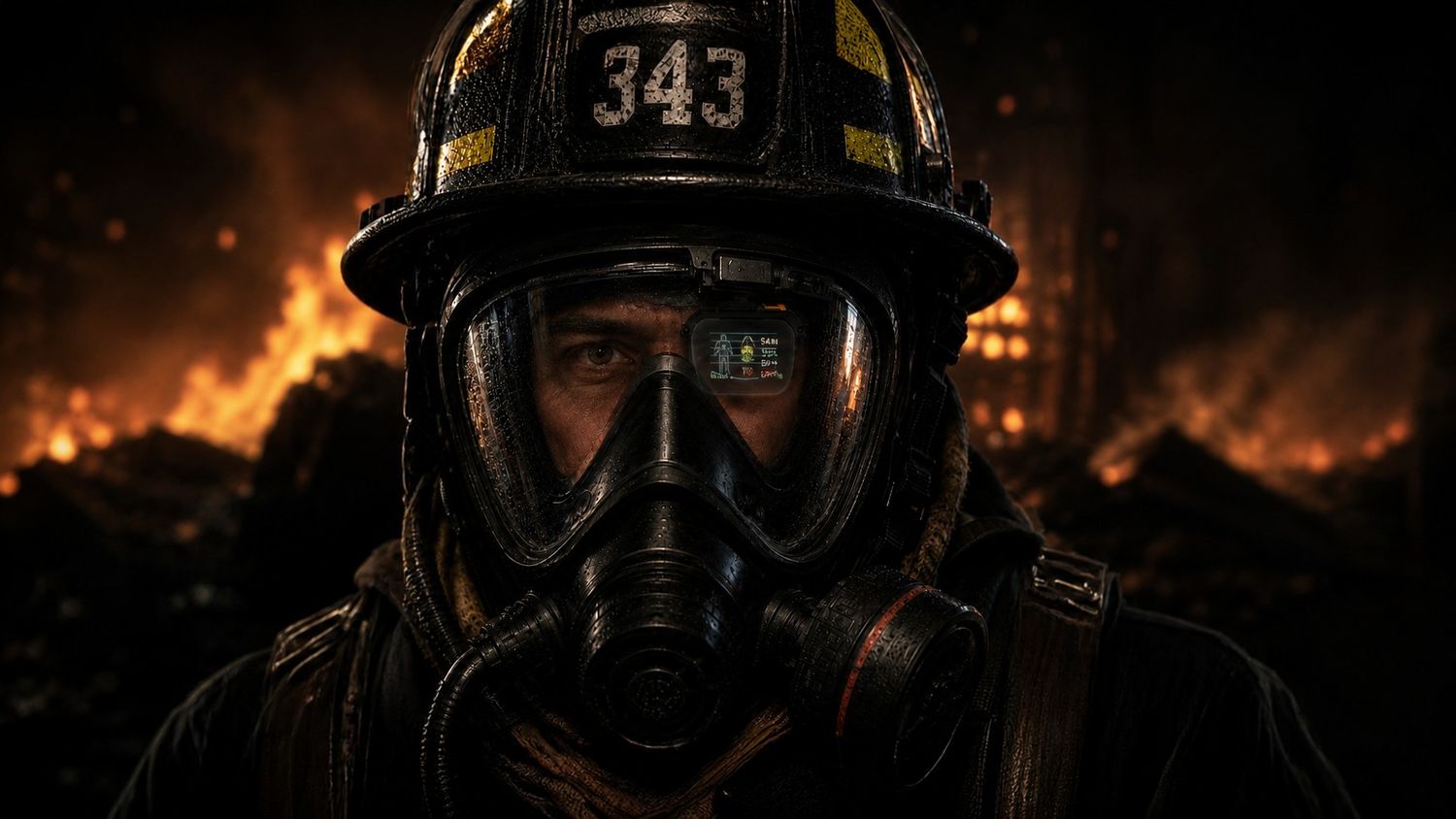
MIDAS AR Display Mask for extreme environmental vehicle testing

MIDAS AR Display Mask

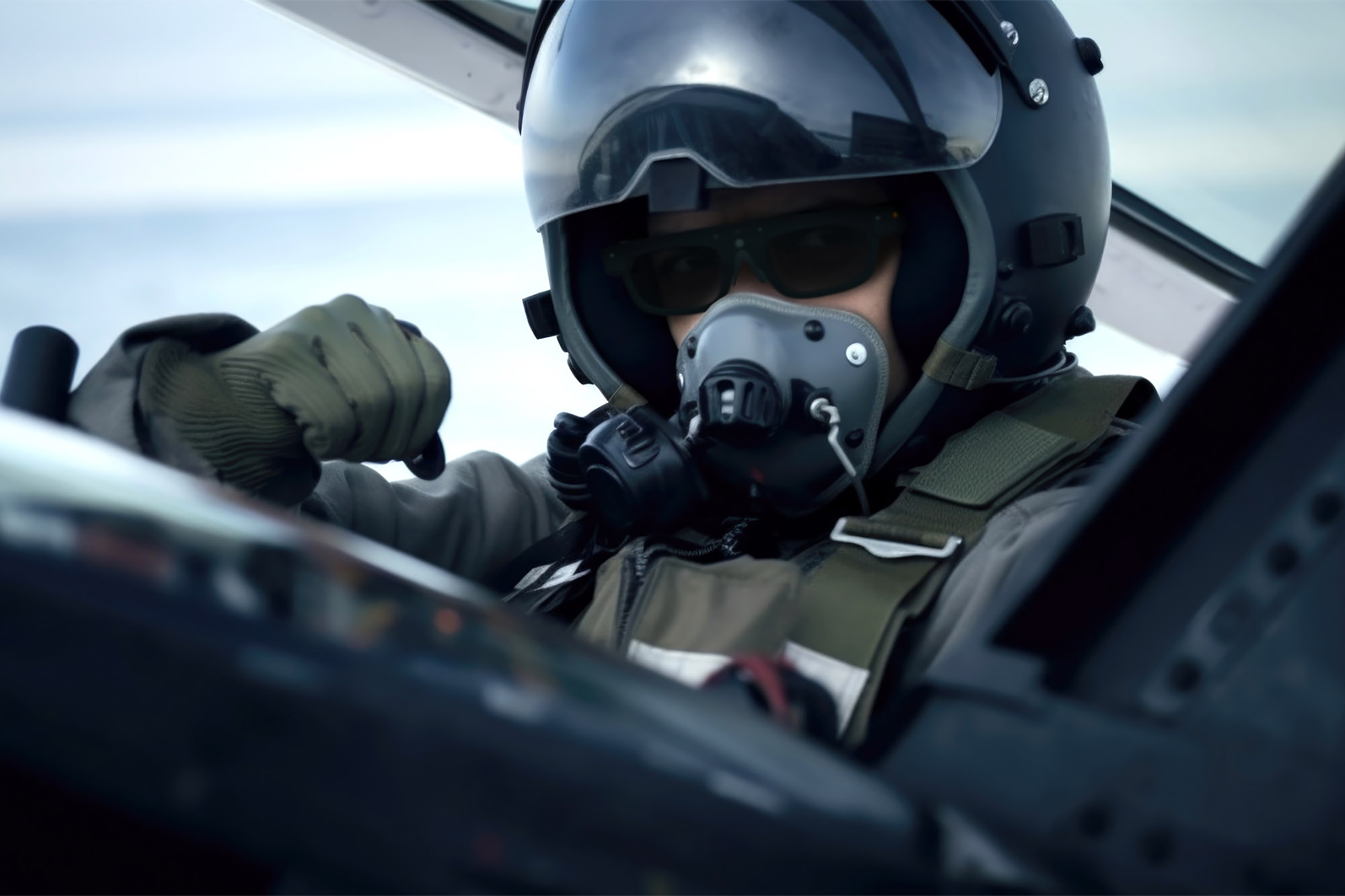
Engineered for extreme testing environments—including high-G tactical vehicle trials, hazmat containment testing, and zero-visibility atmospheric chamber evaluation. The monocular waveguide display clips directly into certified protective helmets without breaking environmental seals.

Get Catalog & Mask Specifications →
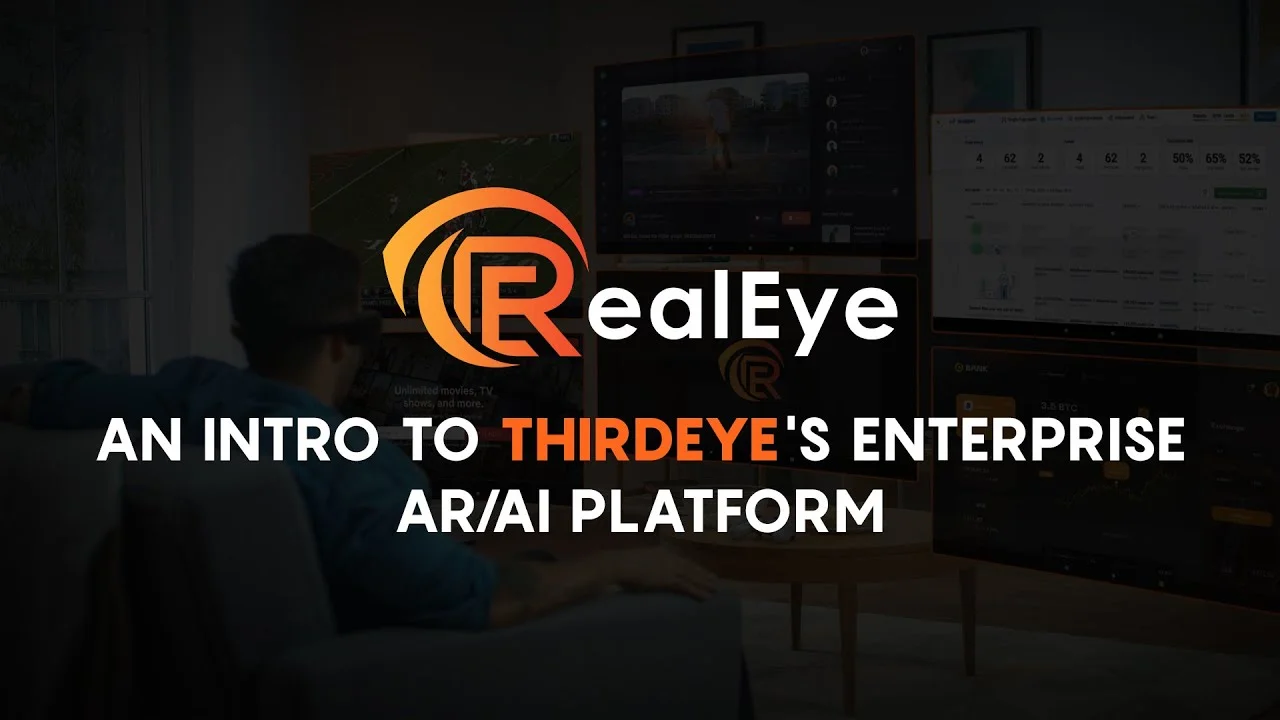
SXR Software and RealEye AI Telepresence for Fleet Telemetry

Secure Extended Reality (SXR) & Command Center

The software foundation built for zero-trust automotive facilities. SXR offers end-to-end encrypted telemetry streaming, on-device spatial processing, and multi-operator synchronization across test track command centers and remote off-site engineering hubs.

Get Catalog & Security Protocols →

Real-World ADAS Validation

Visualizing LiDAR & Perception Neural Networks in Real Time

Modern AV perception stacks process terabytes of data per second across camera, radar, and LiDAR suites. When a failure mode occurs during high-speed track testing, engineers traditionally spend hours analyzing post-test log files to understand why the AI hesitated.

With ThirdEye X2 Smart Glasses running custom ROS spatial nodes, test engineers sit inside the vehicle or watch from the control pit, viewing real-time 3D bounding boxes, bounding cuboids, and trajectory predictions floating directly over physical track hazards. Misalignments between LiDAR point clouds and real-world barriers are spotted on impact, cutting debugging cycles from days to seconds.

  • Direct ROS / ROS2 spatial node integration via open Android SDK
  • Sub-50ms latency overlay of dynamic bounding boxes onto track targets
  • Hands-free voice and gesture control for safety drivers behind the wheel
  • Prescription lens compatible with industrial safety-frame certification
Get Catalog
Engineer evaluating AV wireframe telemetry in mixed reality headset
ThirdEye Command Center multi-operator AV fleet monitoring platform

Multi-Operator Collaboration

Command Center Platform: Remote Test Oversight for Global OEM Teams

Autonomous vehicle testing is rarely localized to one office. While vehicles run maneuvers on tracks in Michigan, Nürburgring, or Arizona, core software engineers remain stationed in Silicon Valley, Munich, or Tokyo. The ThirdEye Command Center Platform links on-track AR wearable feeds directly with global engineering stations.

Off-site specialists join live see-what-I-see streams, place persistent 3D spatial anchors on vehicle chassis components, annotate live CAN bus error codes in the driver’s field of view, and digitally validate test passes without buying expensive transatlantic flights.

  • Multi-headset synchronization for coordinated track team operations
  • Session audio/video/spatial recording for regulatory ISO compliance auditing
  • Tuned for low-bandwidth 5G private networks and edge-cloud deployments
Get Catalog

Market Intelligence & Technology Roadmap

Global Procurement Trends: What AV Purchasing Directors Must Plan For (2025–2030)

As corporate capital flows into Level 3+ consumer vehicle autonomy and commercial robotaxi fleets, procurement leaders are shifting away from standalone consumer-grade VR/AR headsets toward ruggedized, enterprise-grade spatial computing platforms built for defense-grade security and vehicle integration.

1. Shift to Air-Gapped SXR Security

Vehicle OEMs are ending trials with cloud-dependent consumer devices due to risk of IP leaks. Future RFQs demand air-gapped, zero-trust architecture (SXR) with on-device AI compute.

2. Open Android SDK Ecosystems

Proprietary, closed OS headsets create software lock-in. Buyers overwhelmingly mandate open Android-based SDKs that seamlessly map to internal C++/Python ADAS testing frameworks.

3. Multi-Sensor Integration

Testing environments require smart glasses that interface with thermal sensors, infrared cameras, and external telemetry packs to evaluate extreme weather vision performance.

4. Synthetic Hazard Injection

Proving ground operators are replacing physical foam targets with high-fidelity 3D spatial AR assets injected directly into safety driver smart glasses during dynamic runs.

5. Ergonomics & All-Day Usability

Long 8-hour testing shifts require lightweight, untethered glasses with hot-swappable batteries, balanced weight distribution, and prescription lens insert options.

6. ISO 26262 Compliance Audits

Automotive safety compliance requires unalterable digital audit logs. AR sessions are captured in high resolution to serve as immutable proof of functional safety compliance.

Financial Impact Modeling

Calculate ROI for Your AV Test Track & Engineering Fleet

Starlight and track testing operations incur enormous travel and downtime costs. Use our model to calculate how deploying ThirdEye X2 smart glasses for remote test engineering offsets traditional expenditures.

AV Test Track ROI Estimator

Flights, hotel stays, and per diem for off-site test audits
Dedicated spatial units for track drivers & lead engineers
Est. Travel Expenditure$60,000
Hardware & Platform Investment$132,500
Estimated Net Annual Saving$0

*Calculations reflect average automotive industry figures: $2,000 per cross-continental engineering trip vs. $2,650 per X2 unit fully integrated deployment. Excludes huge savings from accelerated software release cycles and avoided track re-reservation fees.

0Global Users
0Countries Operating
0 TonsCarbon Travel Saved
0Engineering Budget Saved

Enterprise Trust & Defense Heritage

Why Global Automotive & Defense Organizations Choose ThirdEye Gen

Founded in 2016 in Princeton, NJ, ThirdEye Gen brings defense-grade precision, proven military reliability, and full supply-chain security to the commercial autonomous vehicle industry.

Built on Defense Rigor, Scaled for Automotive Mobility

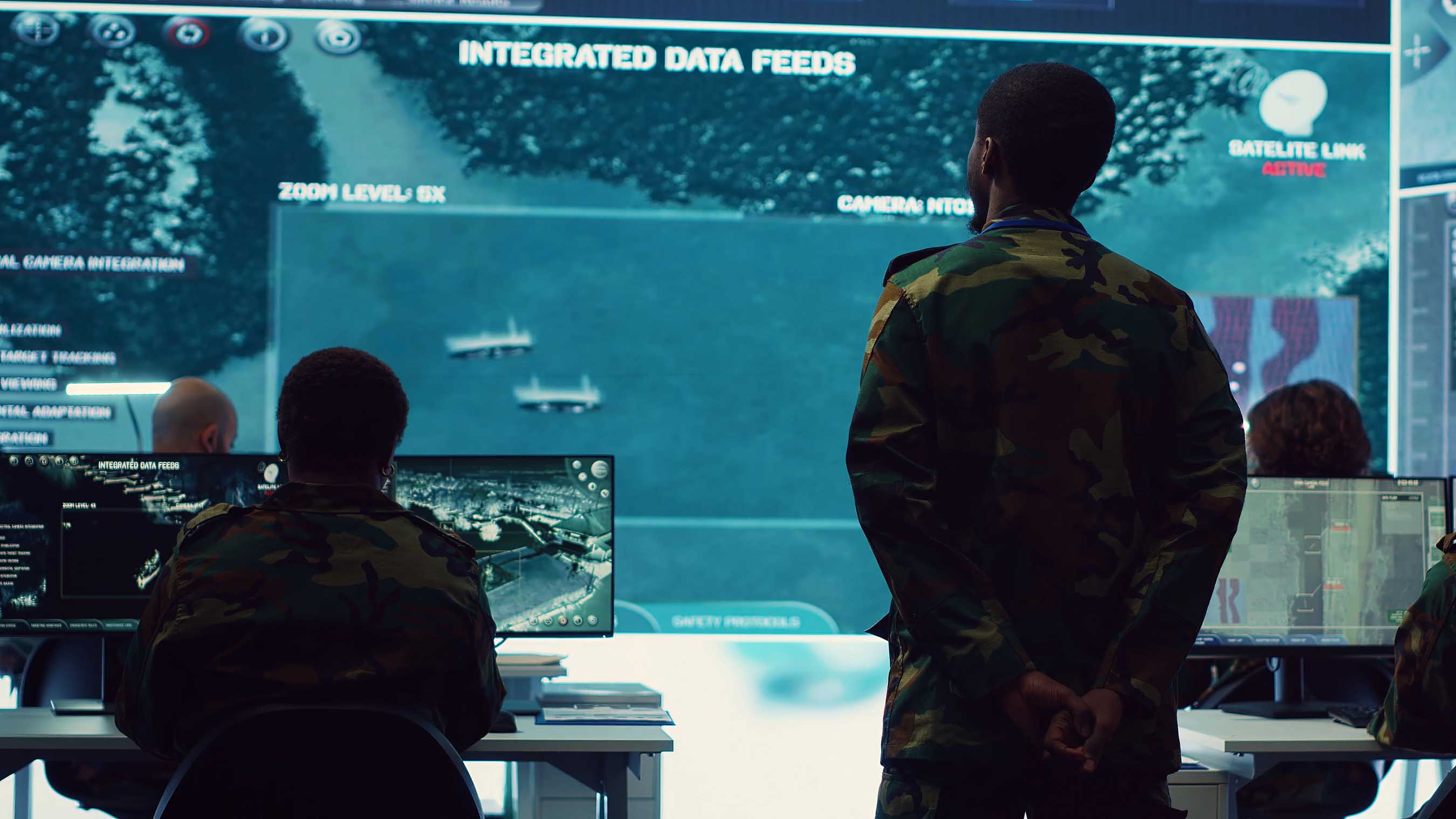
ThirdEye Gen was awarded prestigious contracts by the US Air Force and works extensively across federal defense organizations. We understand what happens when spatial technology operates in high-stakes, harsh environments where system failure is not an option.

Our hardware and software ecosystems are built with ITAR awareness, ISO-aligned quality management systems, and complete GDPR compliance. When automotive procurement teams source ThirdEye, they bypass consumer-grade reliability issues and gain access to ruggedized, field-proven spatial hardware backed by global support hubs.

  • US Air Force AR Headset Contract Award winner
  • Full ITAR Awareness & US-based engineering team
  • Global support infrastructure across Princeton, New York, Athens, Frankfurt & São Paulo
  • Direct developer access with open Android SDKs and zero walled-garden fees
Get Catalog
ThirdEye Air Force contract award hardware heritage

Validated Ecosystem

Trusted by Defense, Telecom Carriers & Global Technology Leaders

Our AR testing and spatial computing hardware is integrated across leading carrier networks, research institutes, and technology leaders worldwide.

Enterprise Procurement FAQ

Autonomous Vehicles AR Testing: Frequently Asked Questions

Key technical, security, and integration answers for automotive test engineers and procurement managers.

How does Autonomous Vehicles AR Testing improve on traditional Hardware-in-the-Loop (HIL) testing?

Traditional HIL testing connects physical vehicle ECUs to pure bench-top software simulators. While effective for electrical validation, it fails to evaluate real-world camera optics, vehicle chassis dynamics, and micro-climate interference. Autonomous Vehicles AR Testing introduces "Vehicle-in-the-Loop" (VIL) with spatial heads-up overlays. Test drivers operate physical vehicles on actual proving tracks while smart glasses inject synthetic 3D obstacles, pedestrians, and dynamic traffic directly into their field of view. This allows real-world vehicle handling evaluation against simulated emergency edge cases without physical risk.

Can ThirdEye X2 MR Smart Glasses integrate directly with Robot Operating System (ROS / ROS2)?

Yes. ThirdEye X2 MR Smart Glasses run on an open, untethered Android AR platform equipped with a dedicated developer SDK. Test engineering teams can write custom Android/Java/C++ spatial nodes or compile ROS2 nodes directly to the headset via Wi-Fi 6 or 5G private networks. This allows real-time overlay of ROS topics—such as camera detection bounding boxes, target velocity vectors, and LiDAR point clouds—directly onto the engineer's physical line of sight.

How is telemetry data secured during proprietary AV vehicle trials?

Vehicle IP security is critical during unreleased prototype testing. ThirdEye’s Secure Extended Reality (SXR) platform is purpose-built for zero-trust, classified, and corporate confidential environments. SXR supports complete air-gapped operation without cloud connectivity, robust end-to-end AES-256 encryption, secure boot hardware protocols, and localized on-device processing. No video streams or telemetry data leave your local vehicle test track server network.

What is the optical latency and field of view for track safety driver safety?

The ThirdEye X2 offers a high-resolution 42-degree field of view with crisp binocular displays and motion-to-photon optical latency under 20 milliseconds. This ultra-low latency prevents visual lag and simulator motion sickness, allowing test track drivers to safely operate vehicles at highway speeds while visual overlays remain locked to physical spatial coordinates.

Does the MIDAS AR Display Mask work with industrial and protective helmets?

Yes. MIDAS (Modular Integrated Display Augmentation System) was specifically engineered for helmet integration. Its monocular waveguide display clips easily into certified protective helmets, hazmat face shields, and military headgear without disturbing environmental or pressure seals. MIDAS is ideal for extreme vehicle testing, including dust-chamber trials, thermal climate tests, and high-G tactical vehicle maneuvers.

How does ThirdEye handle international procurement, spare parts, and SLA support?

ThirdEye Gen maintains global service hubs in Princeton, NJ (US Headquarters), New York, NY, Athens (Greece), Frankfurt (Germany), and São Paulo (Brazil). We provide international corporate procurement contracts with dedicated enterprise SLAs, fast-swap hardware replacement programs, localized developer training, and on-site integration support for proving grounds across North America, Europe, and Asia-Pacific.

How can our procurement team request sample hardware or a technical proposal?

You can instantly request our complete hardware and software solution catalog, enterprise price list, and technical architecture whitepapers by clicking the button below to connect directly with our enterprise procurement team.

Request ThirdEye AV testing catalog

Enterprise Procurement

Accelerate Your Autonomous Vehicle Validation Today

Equip your test track drivers, ADAS engineers, and safety auditors with the industry's premier spatial computing stack. Contact ThirdEye Gen to request datasheets, pricing, and evaluation units.