In modern aerospace operations, Aircraft On Ground (AOG) incidents cost commercial airlines between $10,000 and $150,000 for every single hour of unscheduled downtime. In military logistics, delayed maintenance directly impacts fleet readiness and mission availability. Traditional maintenance procedures—relying on static paper manuals, cumbersome ruggedized tablets, or back-and-forth telephone calls with off-site OEM engineers—create structural bottlenecks in technicians' workflows.
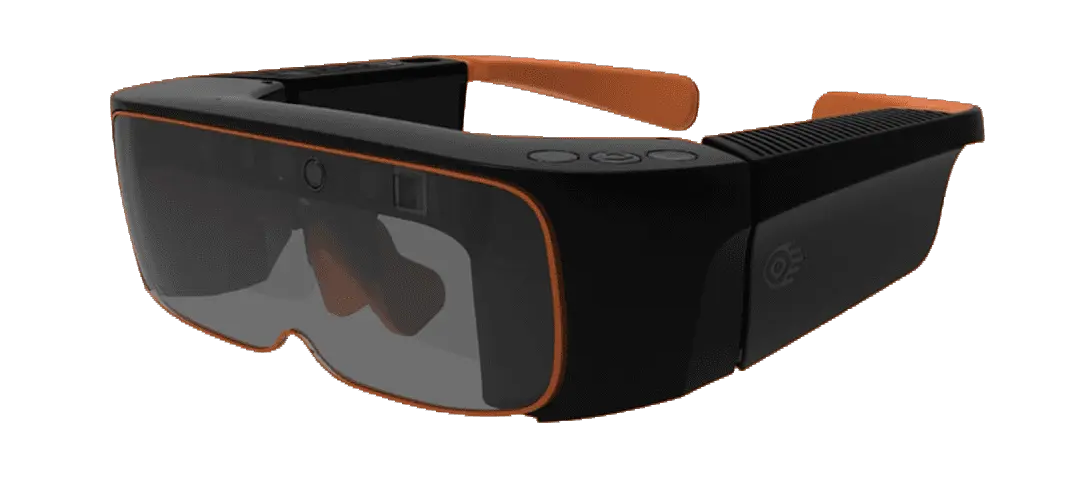
Aerospace Maintenance Smart Glasses represent a paradigm shift in spatial maintenance engineering. By anchoring step-by-step 3D digital twins, animated wiring schematics, and live sensor telemetry directly within the technician’s natural line of sight, smart glasses allow avionics specialists and airframe mechanics to execute complex maintenance, repair, and overhaul (MRO) tasks completely hands-free.
As enterprise procurement managers, fleet directors, and defense IT architects evaluate next-generation spatial computing technologies, key technical parameters extend beyond simple hardware optical resolution. Buying decisions now center on cybersecurity compliance (ITAR awareness), air-gapped software functionality, enterprise asset management (EAM) database connectivity, and total cost of ownership (TCO) over multi-year deployment lifecycles.